
Choosing a rain glass shower door vs clear glass troubles hotel developers. This rain glass vs clear glass choice triggers guest privacy complaints and heavy cleaning costs. I share practical guidance.
Rain glass provides visual privacy and hides water spots between cleanings, while clear glass maximizes light, space, and fixture visibility. Neither glass is universally better. Hotel buyers should choose based on room layout, housekeeping schedules, and long-term replacement needs rather than appearance alone.
I have supplied bathroom materials to hospitality projects for years, and I see buyers make expensive mistakes every month. You will avoid costly replacements and upset guests if you understand how these two glass options function in real daily operations. Let us examine the technical details below.
Rain Glass vs Clear Glass: What Is the Main Difference?
Buying the wrong glass type damages project aesthetics and budgets. Transparent panels expose messy stalls, while heavy textures darken small spaces. I explain the exact physical distinctions for smart buyers.
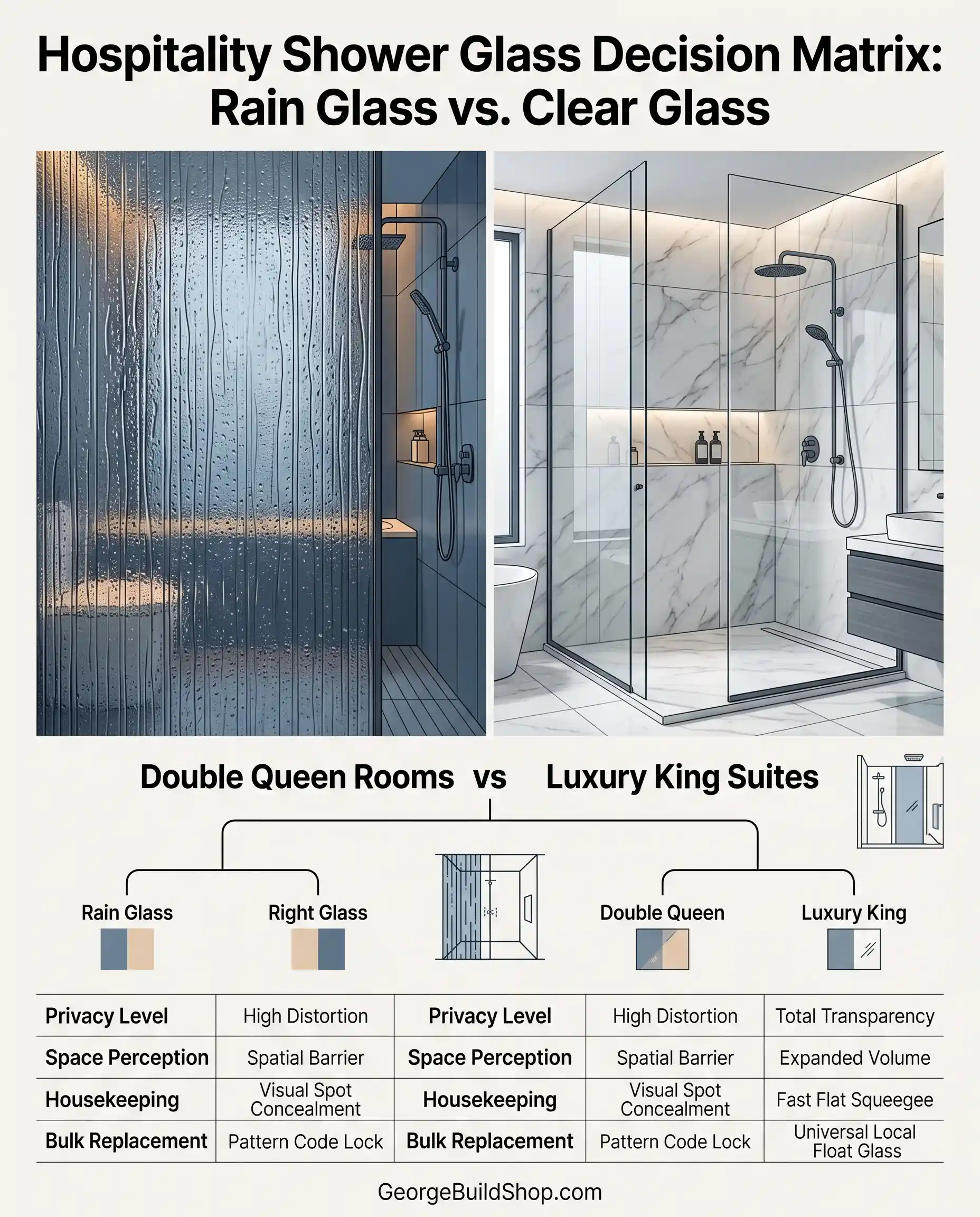
Rain glass features an embossed fluid texture that distorts sightlines and obscures mineral spots, while clear glass provides complete transparency to showcase tile and maximize room openness. Rain glass prioritizes privacy between housekeeping rounds, whereas clear glass emphasizes optical volume and straightforward surface squeegee cleaning.
I evaluate both materials across surface texture, optical clarity, and project maintenance. The following sections break down what is rain glass shower door texture, how clear glass behaves, and how their specifications compare across key procurement factors.
Rain Glass
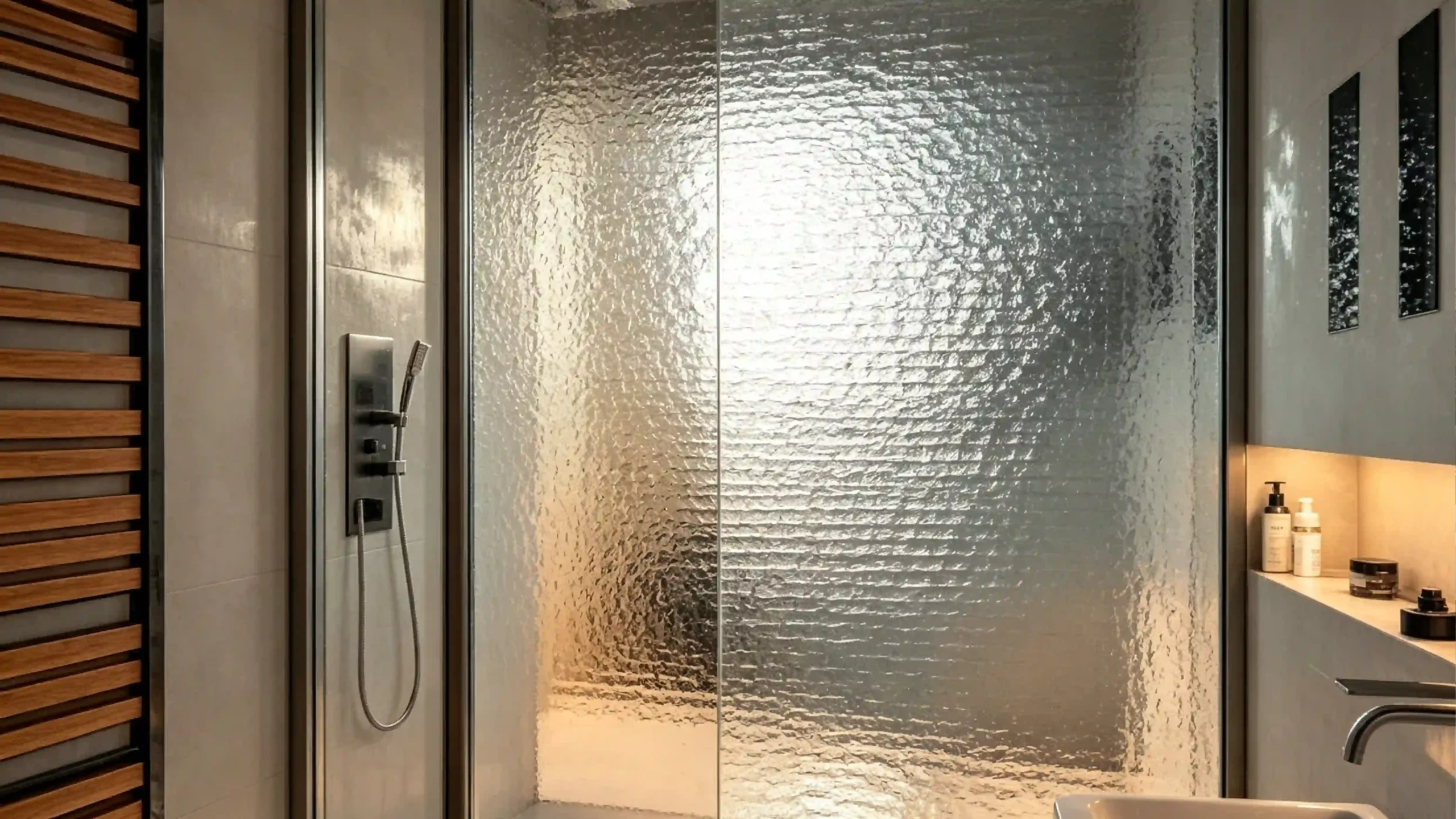
Rain glass features a patterned, tactile exterior that resembles falling raindrops. This texture scatters incoming light and breaks direct lines of sight without making the shower dark. It conceals soap residue and fingerprints effectively, but you must remember that hiding stains does not mean the glass requires zero physical scrubbing.
Clear Glass
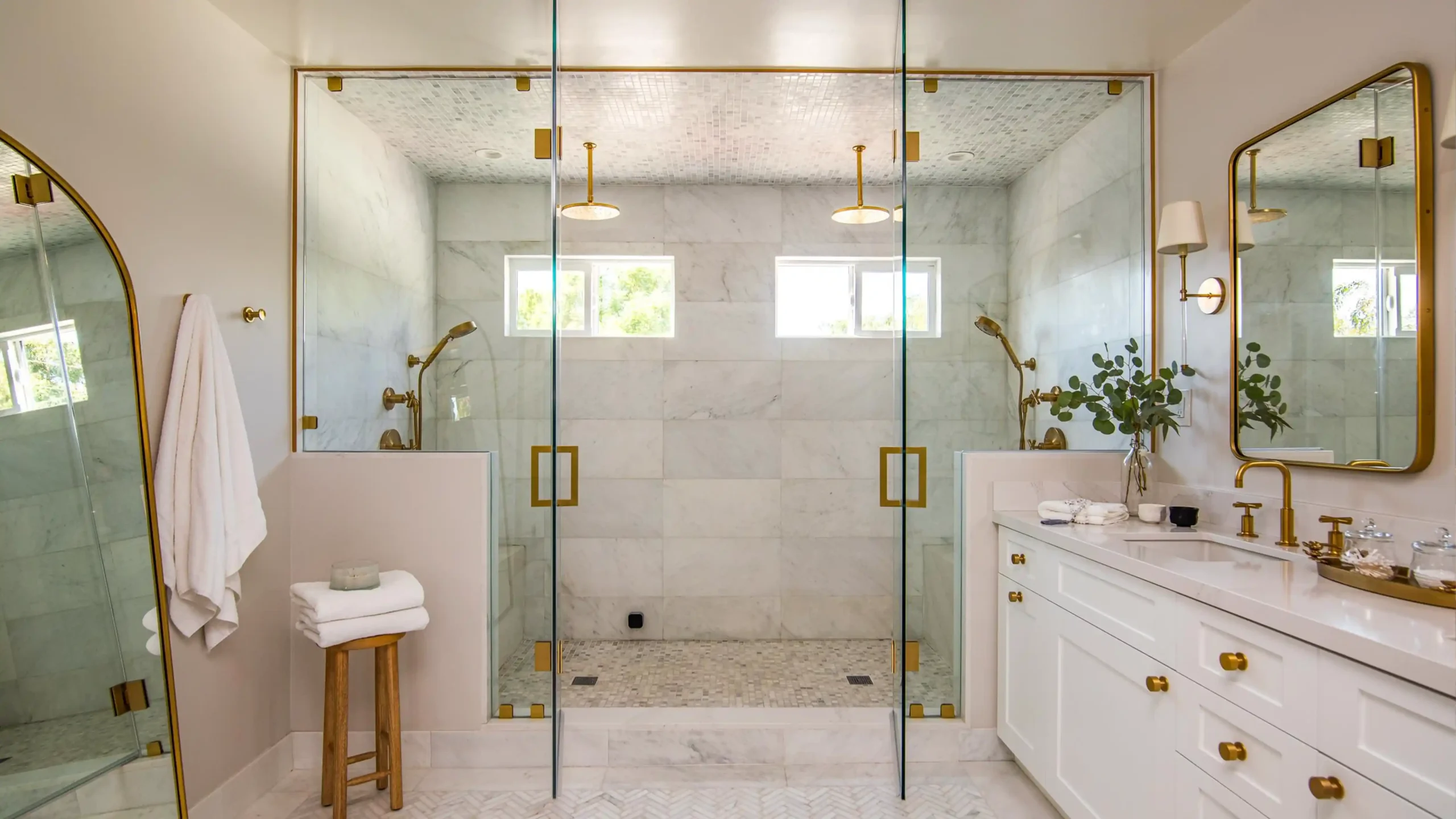
Clear shower glass vs rain glass offers total visual transparency that highlights luxury wall tiles, modern shower heads, and sanitary fixtures. It expands compact bathrooms visually by removing visual borders. However, clear glass instantly reveals water spots, dried minerals, and body oils, which forces staff to wipe surfaces after every guest departure.
Quick Comparison
I created this side-by-side comparison table to help project managers evaluate rain glass shower door pros and cons against clear panels. Review these core physical parameters before you draft room specifications or submit final purchase orders to your factory partner.
| Factor | Rain Glass | Clear Glass |
|---|---|---|
| Privacy Level | High (obscured visual distortion) | Very Low (complete optical transparency) |
| Light Transmission | Diffused and soft | Maximum direct light |
| Perceived Space | Defined spatial boundary | Expanded and open |
| Water-Spot Visibility | Low between routine cleans | High immediately after shower |
| Surface Inspection | Harder to detect residue | Immediate visual feedback |
| Design Visibility | Softens tile and fixture details | Full view of premium finishes |
| Pattern Matching | Requires strict factory batch control | Standard production matching |
| Field Replacement | Requires identical texture code | Simple and widely sourced |
Many procurement teams assume that textured rain glass reduces cleaning labor automatically. That assumption is flawed. Rain glass hides water spots visually, but dried soap still accumulates inside textured grooves. Clear glass looks dirtier faster, but housekeeping teams wipe smooth glass quicker. You must separate visual cleanliness from actual sanitation.
Which Is Better for Privacy, Light, and Bathroom Design?
Guests hate feeling exposed in hotel bathrooms, yet designers crave bright, spacious layouts. Choosing the wrong panel ruins the guest experience. I share testing methods to balance privacy and light.
Choose rain glass when guest privacy is your top priority, and choose clear glass when you need maximum light and open sightlines. For hospitality projects, you must test rain glass privacy under actual guest room lighting and angles rather than approving glass from a tiny desktop catalog sample.
I analyze how glass selection impacts privacy, daylight distribution, and real site mock-ups. We must examine if can you see through rain glass panels, how daylight moves across clear vs textured shower glass, and why physical mock-ups prevent guest complaints.
Privacy Is Not the Same as Opacity
Rain glass creates optical distortion, but it does not make the shower enclosure opaque. If someone stands close to the glass, outside observers can still see their body silhouette clearly. Strong internal shower lighting makes that silhouette sharper. Pattern density varies between manufacturers, so never assign the same privacy rating to every textured panel.
Light and Perceived Space
Clear glass shower door privacy is minimal, but transparent panels let natural and artificial light pass across the whole bathroom. This uninterrupted sightline makes compact hotel bathrooms feel spacious. Rain glass diffuses harsh light evenly, but its physical pattern builds a visual barrier that can make tight guest bathrooms feel somewhat enclosed.
Project Privacy Mock-Up
I always advise procurement teams to build a full mock-up room before signing purchase orders. Stand at the bedroom entrance, the bed, and the vanity mirror. Check sightlines when the shower light is on, when the glass is wet, and when someone stands inside. Real tests prevent awkward guest encounters.
Hotel forums frequently show guests complaining about transparent bathroom walls and see-through doors. Designers often chase open aesthetics without considering traveling colleagues or family members sharing a room. When you specify rain glass vs clear glass bathroom products, you protect guest dignity. Verifying sightlines during the design phase avoids bad reviews.
Which Glass Is Easier to Clean and Maintain?
Mineral scale and soap scum destroy bathroom glass fast. Housekeeping delays inflate operational payroll, while dirty stalls trigger guest refunds. I break down real maintenance realities to protect your budget.
Rain glass hides water spots between guest stays, but clear glass is easier to squeegee and inspect because its surface is flat. Finding the easiest shower glass to clean depends on your pattern orientation, local water hardness, protective coatings, and housekeeping standard operating procedures rather than glass texture alone.
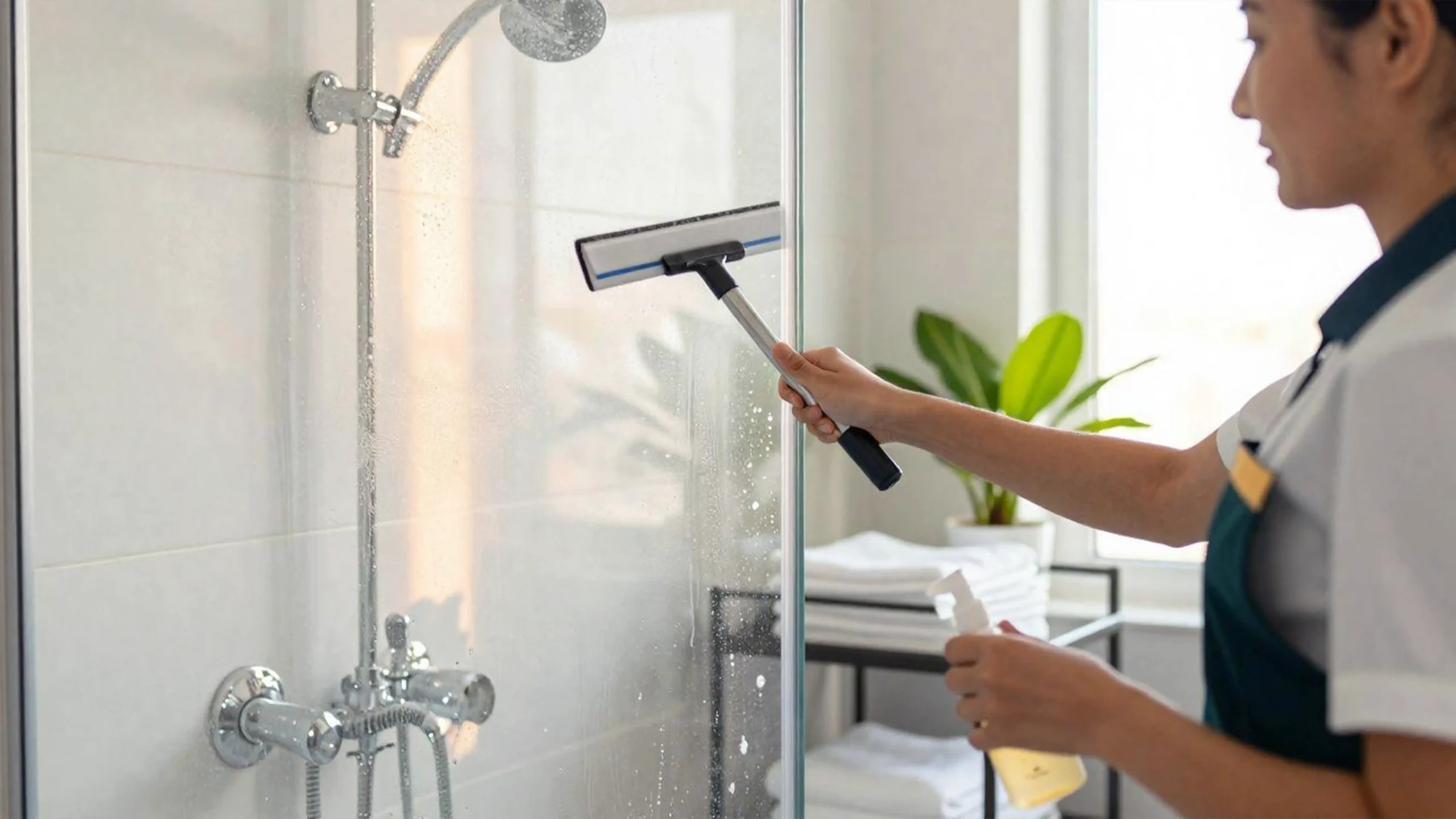
I evaluate maintenance from both visual presentation and physical labor angles. Below, we address whether are rain glass shower doors hard to clean, how texture orientation alters wiping routines, how to handle hard water on glass shower doors, and hotel cleaning costs.
Water Spots vs Actual Cleanability
People wonder: is rain glass hard to clean in daily operations? Rain glass conceals calcium deposits well, so bathrooms look acceptable between deep cleanings. But clear glass has a flat plane that housekeepers wipe down with a rubber squeegee in seconds. Textured glass requires periodic brushing when minerals collect inside the indentations.
Texture Orientation
Factories manufacture rain glass with one patterned side and one smooth side. Some brands place the texture outside to leave the smooth side facing shower spray for fast squeegee drying. Other brands place texture inside. You must specify the textured orientation in your purchase contract so housekeeping SOPs match the installed product.
Hard Water and Water-Repellent Coatings
Buyers often ask: what is the best water repellent for glass shower doors on commercial jobs? Factory-applied hydrophobic nano-coatings outperform manual retail sprays. They bond chemically to the silica, repel water droplets, and resist mineral etching. However, coatings only reduce dirt adhesion. They never eliminate daily housekeeping duties or chemical maintenance protocols.
Housekeeping Cost at Scale
I urge hotel procurement managers to calculate cleaning expenses across hundreds of units. Take one rain glass mock-up and one clear glass mock-up. Track the exact minutes per room your team spends wiping each surface. Multiply that difference across three hundred guest bathrooms and three hundred sixty-five days to calculate real annual costs.
Specifying easy-clean shower glass is not merely an aesthetic choice for luxury suites. It is an operational decision. If your project sits in a hard-water region, clear glass requires water softeners or strict end-of-stay wiping. Rain glass buys visual leeway between cleanings, but it demands scheduled deep scrubbing. Plan your operating budget accordingly.
Which Glass Works Better for Hotel, Apartment, and Healthcare Projects?
Applying residential shower trends to commercial buildings creates operational chaos. High tenant turnover and strict sanitation standards punish generic choices. I match glass specifications directly to your project property type.
There is no single commercial shower glass winner across all building sectors. Hotels balance guest modesty against open spatial aesthetics; apartment communities prioritize durable turnover maintenance and easy glass replacement; healthcare bathrooms require strict accessibility, safety glazing, and infection-control hygiene protocols that supersede standard decorative glass preferences.
I examine how different commercial developments handle shower glass for projects. We will review why hotel shower glass demands privacy control, how apartment shower doors handle tenant wear, and why medical facilities require specialized clinical safety standards.
Hotel Projects
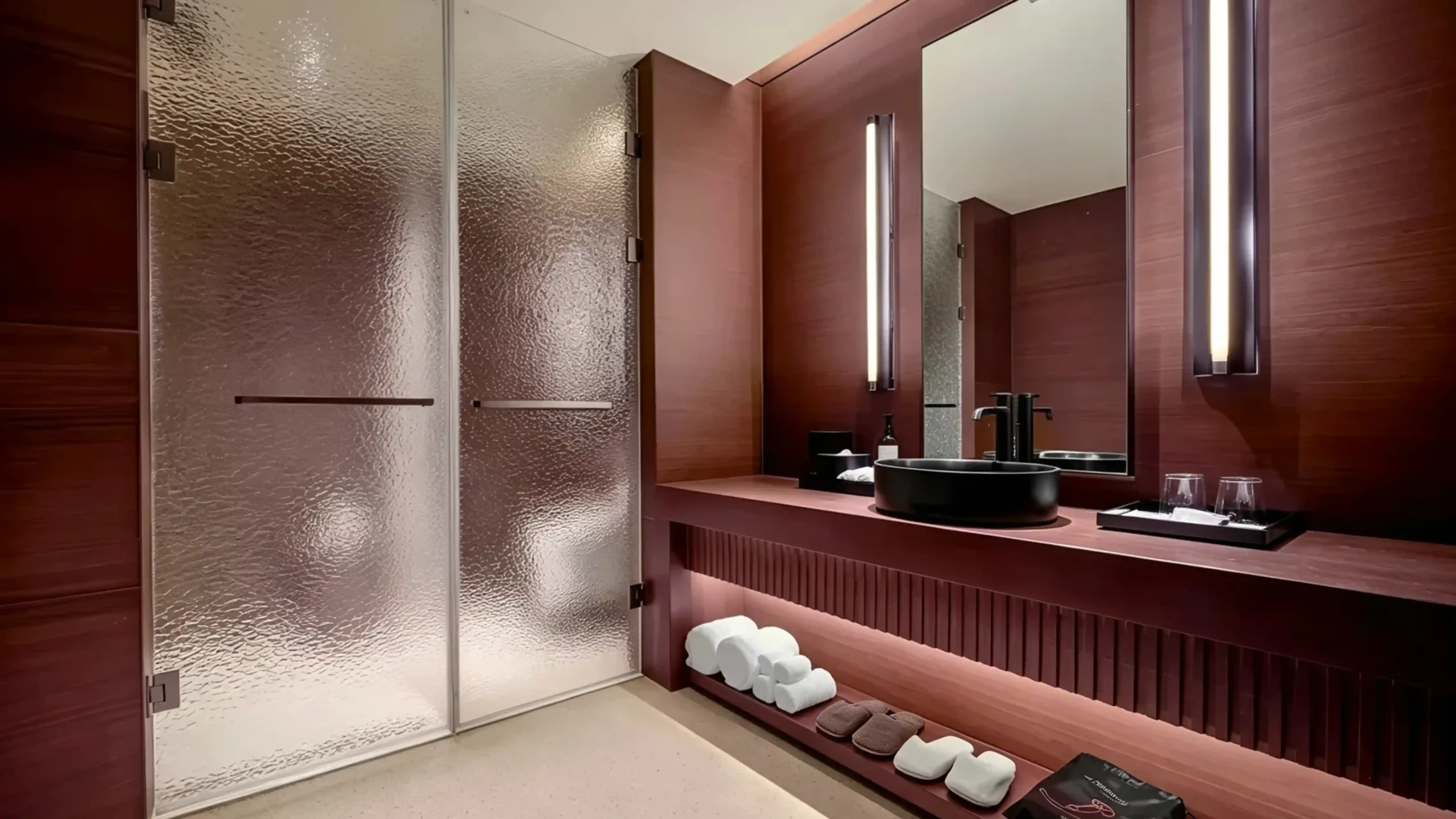
Specifying rain glass for hotel bathrooms works best in double-queen guest rooms, twin rooms, and family suites where guests share space. It prevents awkward visibility when someone enters the bathroom. Conversely, a clear glass hotel shower excels in executive single-king rooms and compact suites where designers want to display high-end stone tiles.
Apartment and Multifamily Projects
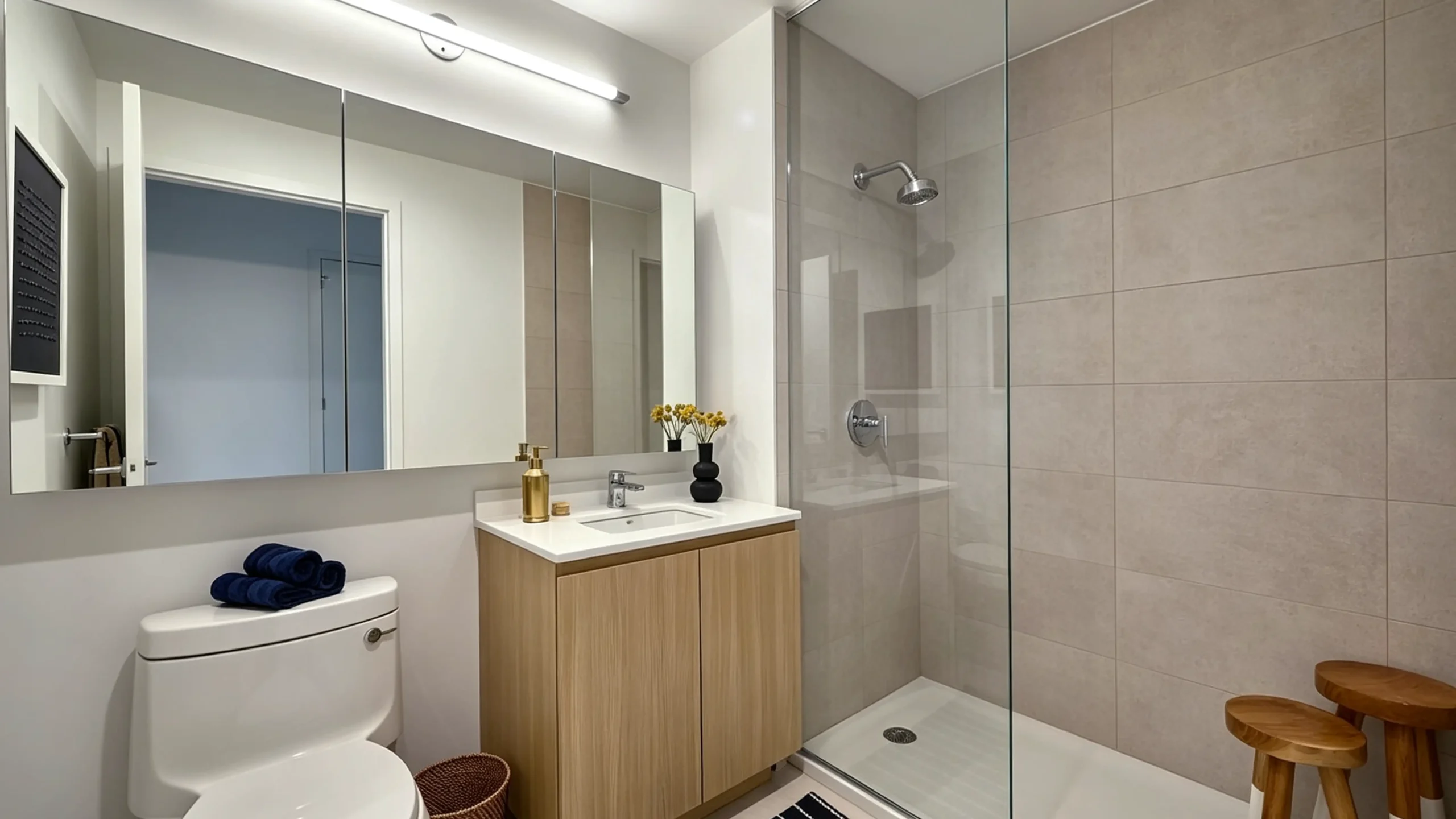
Multifamily developers care about tenant turnover costs and simple maintenance. Renters rarely squeegee glass after showering, which causes mineral etching over five-year leases. Clear glass is cheaper to replace when broken and matches standard inventory. However, rain glass forgives careless tenant cleaning habits and keeps rental units looking presentable during prospect tours.
Healthcare and Accessible Bathrooms
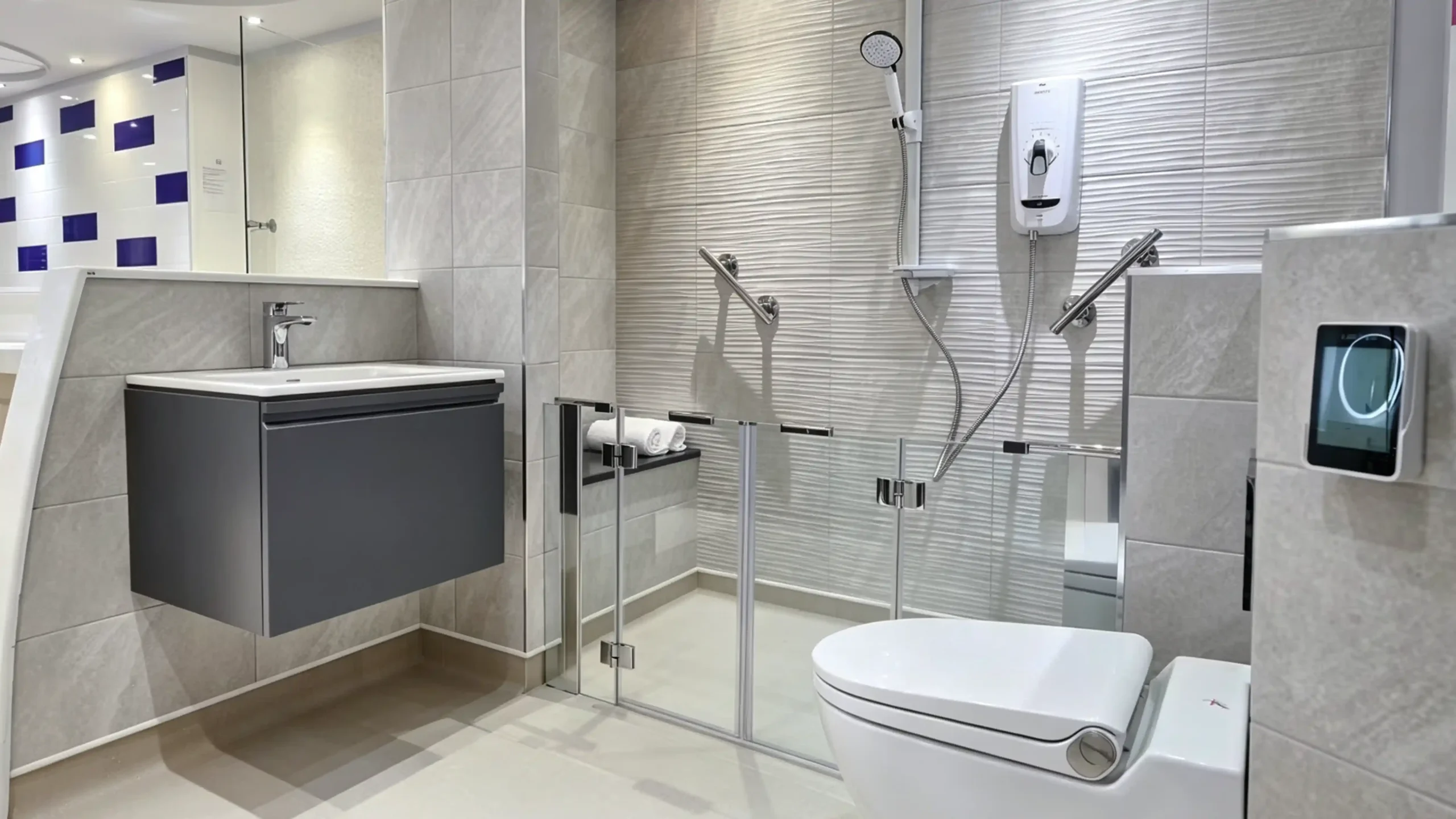
Medical and assisted living facilities have unique functional requirements that override standard aesthetic debates. Caregivers often need clear visual lines to monitor patient safety. Showers must also meet wide clearance standards, wheelchair transfer needs, and rigorous chemical disinfection rules. Never specify textured panels in clinical environments without consulting medical staff and code officers.
A single shower enclosure decision changes completely when multiplied by four hundred units. What pleases a private homeowner in a single-family master bath can bankrupt a commercial property team through elevated labor or tenant complaints. I advise project managers to categorize rooms by occupant profile before finalizing shower door specifications.
What Should You Check Before Ordering Rain or Clear Glass in Bulk?
Ordering container loads of shower enclosures without technical verification invites job site disaster. Mismatched holes, broken textures, and incorrect hardware stall handovers. I outline five essential factory procurement quality controls.
For bulk shower door order contracts, approve more than general glass names. Your formal purchase order and signed golden sample must fix pattern code, texture orientation, glass thickness, panel dimensions, hardware finish, tempered safety stamps, protective coatings, room schedules, and replacement references before the manufacturer begins mass fabrication.
I managed glass factories and international trading operations, so I know where mass production fails. The following points explain what every commercial shower door supplier must deliver, including sample approval, room schedules, factory quality control, spare panels, and freight logistics.
Approved Sample and Mock-Up
Never approve custom shower glass from a four-inch glass chip. A delicate rain texture on a handheld sample can look visually heavy on a full two-meter door panel. Build a full-size physical mock-up on site. Confirm hole cut-outs, edge polish, hinge alignment, and safety stamps under natural lighting before mass production begins.
Room-Type and Quantity Control
Hospitality projects contain diverse room layouts. Never send a factory an order that simply lists three hundred identical shower doors. Create a detailed schedule mapping room types to opening swings, panel widths, handedness, and glass types. This shower door specification prevents contractors from trying to force left-hand doors into right-hand corner stalls.
Batch Consistency and QC
I enforce three inspection gates during manufacturing: incoming glass verification, in-process cutting checks, and final outgoing packaging audits. In rain glass production, rollers can wear down, which alters pattern depth between initial and final batches. Require your factory to verify pattern depth consistency, hole tolerances, and tempered glass certifications on every batch.
Replacement and Spare Strategy
Clear glass panels are easy to replace locally because transparent float glass is universally available. In contrast, rain patterns vary significantly across different glass manufacturers. For large hotel shower procurement contracts, archive the exact texture SKU, glass thickness, and factory mold number. Always order a small reserve of spare glass panels with your container.
Lead Time and Delivery Coordination
Custom glass requires accurate lead-time management. Changing from clear to rain glass midway through an apartment shower door project disrupts raw material sourcing, shop drawing revisions, and tempered processing slots. Coordinate your shipping container loading by floor and room block so site installation teams receive crates in the exact sequence they need.
A commercial glass order is a system of interlocking tolerances, not merely crates of glass sheets. If hardware cut-outs are off by two millimeters, your entire installation stops. I always verify shop drawings against structural wall finishes. Catching dimension errors on paper costs nothing, but catching them on an active construction site costs thousands.
Rain Glass or Clear Glass: Which One Should You Choose?
Design hesitation wastes precious construction weeks and risks costly re-orders. Project managers cannot afford unverified guesswork. I provide clear, actionable selection rules to finalize your glass specifications with complete confidence.
Choose rain glass when guest privacy, visual spot concealment, and partitioned layouts are your project priorities. Choose clear glass when maximizing optical space, showcasing designer wall tiles, and fast squeegee maintenance matter most. When both options seem viable, decide using a full-scale mock-up in your actual building.
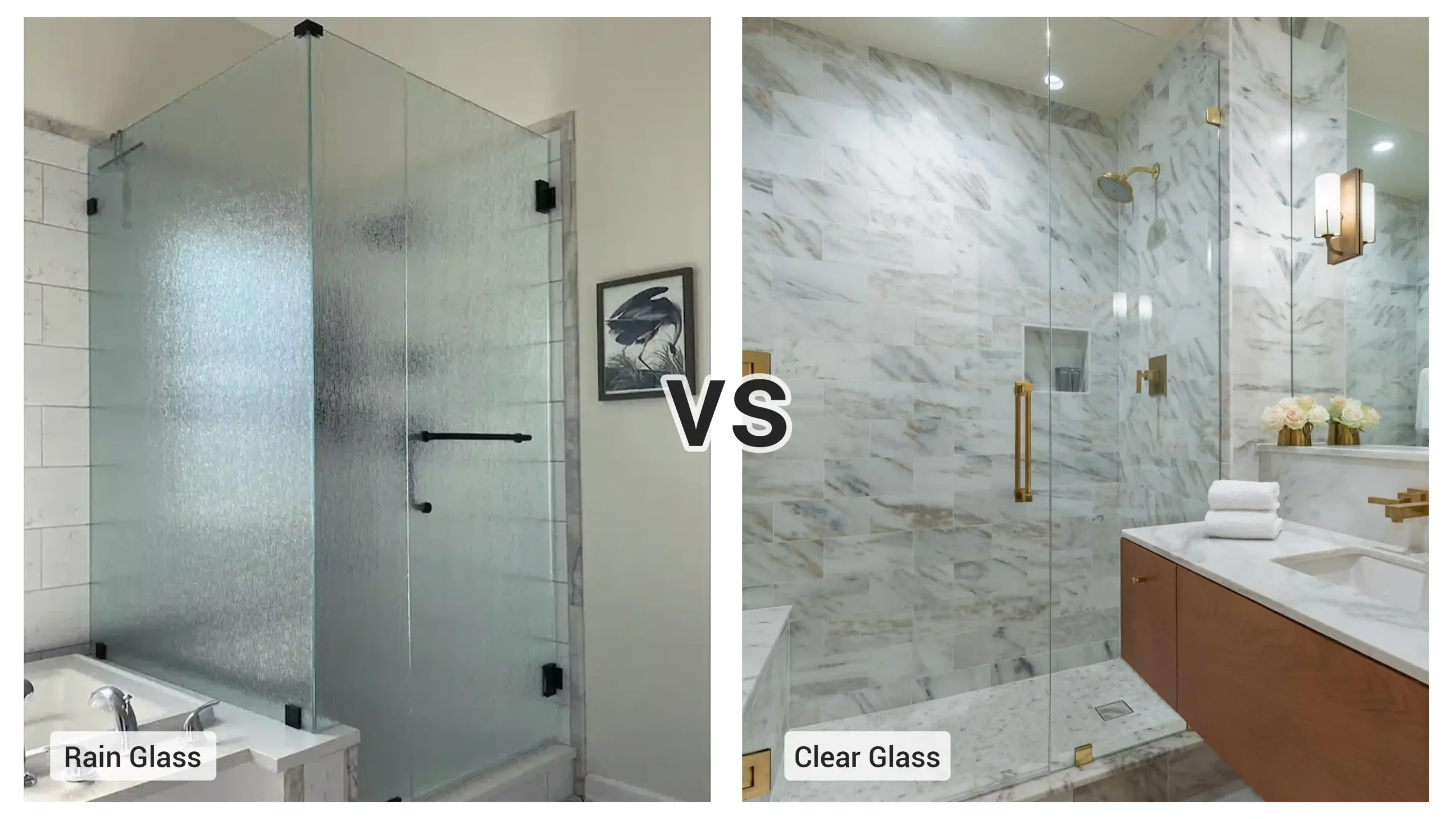
I created a definitive decision framework to determine which shower glass is best for your upcoming development. Below, we compare rain glass shower door vs clear glass pros and cons and establish how to choose shower glass through site mock-ups.
Choose Rain Glass When
Select rain glass when your layout places the shower near the bedroom, when double rooms require visual privacy, and when local water leaves heavy spots between cleanings. It suits properties where ambient lighting is strong and where your procurement team can secure long-term pattern continuity for future panel replacements.
Choose Clear Glass When
Select clear glass when your architectural design emphasizes open sightlines, when luxury tile finishes need full visibility, and when compact bathrooms require perceived spatial expansion. It remains the best glass for shower doors if your housekeeping staff follows strict squeegee routines and if you want simple, standardized panel replacement.
Use a Project Mock-Up When the Decision Is Close
When your stakeholders cannot agree on a design, never make your final purchase from a printed catalog. Install a full-size shower mock-up using your project’s real lighting, sanitary ware, and wall finishes. Evaluate guest sightlines directly on site before you release mass manufacturing funds to your factory.
In my factory and supply work, I verify five elements before mass cutting: confirmed shop drawings, approved glass texture masters, hardware plating test results, safe packaging designs, and room schedule codes. This disciplined pre-production audit eliminates costly shipping delays. Thorough verification protects your capital investment and ensures flawless hotel bathroom handovers.
Conclusion
Choose rain glass for privacy and clear glass for openness, verified via on-site mock-ups. I help commercial developers source quality bathroom products. Contact me at georgebuildshop.com for expert project support.
Ready to Finalize Your Commercial Bathroom Specifications?
Whether you need 500 sets of privacy rain glass for a resort or complete bathroom packages for a luxury high-rise, George Build Shop is your direct manufacturing partner. We provide end-to-end space design, custom manufacturing, and strict quality control for toilets, vanities, bathtubs, and shower doors—all under one roof.
Fill out the form below with your project requirements, room quantities, and design goals. Our engineering team will provide a tailored, one-stop solution within 24 hours.