Finding the right shower door material is a major challenge for hotel procurement. Poor choices lead to constant maintenance issues, guest complaints about grime, and high replacement costs that hurt your bottom line.
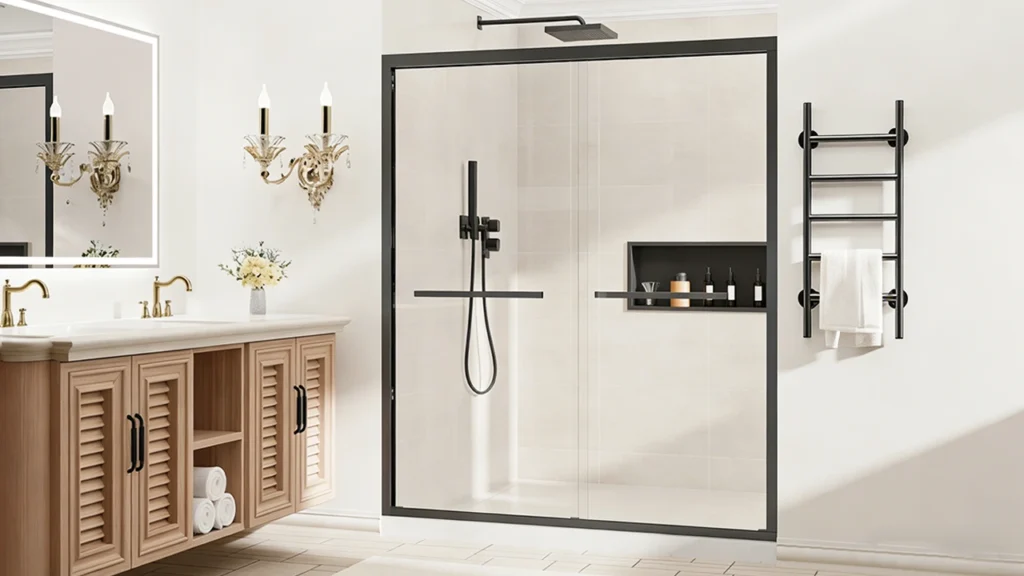
Tempered safety glass, specifically in 3/8″ or 1/2″ thickness, is the best shower door material for hotel projects. It meets strict commercial safety codes while offering a premium look and lasting over ten years without yellowing like acrylic shower doors.
I have spent over a decade moving from the factory floor to leading bathroom manufacturing teams. I have seen how the wrong materials fail under the pressure of high-frequency hotel use and guest expectations.
Table of Contents
What is the best material for shower doors?
Selecting a material that balances beauty with brute strength is difficult for high-traffic hotels. Guests are often rough on fixtures, and a fragile door can lead to dangerous breakage or expensive, constant repairs.
For professional hotel environments, toughened tempered glass is the gold standard because it handles heat and impact better than fiberglass shower doors. It provides a crystal-clear appearance that stays modern and high-end for many years of service.
Tempered Safety Glass
Tempered glass undergoes a heat treatment process that makes it four times stronger than regular glass. If it breaks, it crumbles into small blunt pieces instead of sharp shards, ensuring guest safety in every room.
Laminated Glass
Laminated glass consists of two glass layers with a plastic interlayer bonded between them. This material stays in place if cracked, which prevents immediate water leaks and keeps the shower area secure until a repair happens.
Thick Acrylic Panels
Some budget-friendly projects use thick acrylic because it is lightweight and hard to shatter completely. However, it scratches easily during daily cleaning and lacks the high-end feel that modern hotel guests expect from a bathroom.
| Material Type | Durability Level | Safety Rating | Aesthetic Appeal |
|---|---|---|---|
| Tempered Glass | High | Excellent | Premium |
| Laminated Glass | Very High | Superior | Professional |
| Acrylic | Medium | Good | Standard |
When I analyze project costs, I look at the total life cycle. Tempered glass might cost more upfront than fiberglass shower doors, but its resistance to chemical cleaners is unmatched. Plastic-based materials often cloud over time due to harsh industrial detergents used by housekeeping. Choosing glass protects your brand image and ensures your renovation lasts through the next decade of heavy guest turnover.
What shower glass doesn't get water marks?
Housekeeping teams struggle to keep shower doors clear because mineral deposits and soap scum bond to the surface. Scrubbing these marks off every single day wastes labor hours and can actually damage the finish over time.
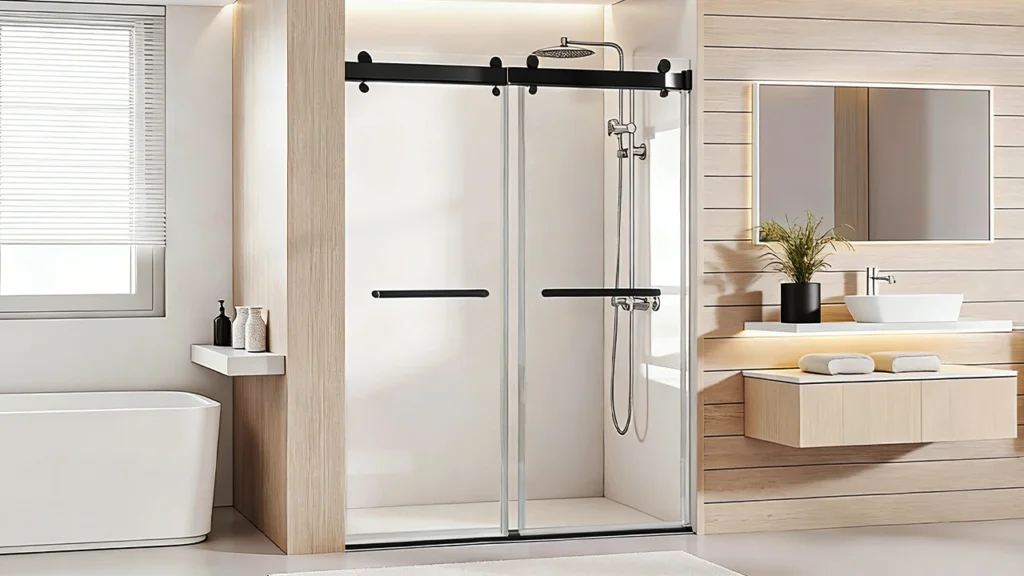
Low-iron glass treated with a permanent nano-coating is the best solution for preventing water marks. This factory-applied shield fills the microscopic pores of the glass, causing water to bead up and slide off without leaving spots.
Nano-Coated Tempered Glass
A high-quality nano-coating creates a hydrophobic surface that repels oils and hard water minerals. This technology reduces cleaning time by up to 90% and keeps the bathroom looking pristine between deep cleanings.
Low-Iron Opti-White Glass
Standard glass has a green tint that makes water spots more visible to the eye. Low-iron glass is extra clear, which hides light streaks better and makes the entire bathroom appear much brighter and cleaner.
Frosted or Acid-Etched Glass
Frosted glass uses a chemical process to create a permanent matte texture on the surface. This finish naturally hides fingerprints and water droplets, making it a very practical choice for busy hotels with limited staff.
| Glass Treatment | Maintenance Need | Visibility of Spots | Cost Impact |
|---|---|---|---|
| Nano-Coating | Very Low | Minimal | Moderate |
| Frosted Finish | Low | Low | Low |
| Clear Glass | High | High | Baseline |
I always tell my clients that “easy-clean” is not just a marketing term; it is a budget saver. In my experience, a frameless glass door with a reliable coating prevents the glass from “etching” permanently. If you ignore water spots on cheap glass, the minerals eventually eat into the surface. This creates a cloudy look that no chemical can fix, forcing an early and expensive replacement.
Which Frame Material Offers the Best Durability for High-Frequency Use?
Metal frames in hotel showers face constant moisture and humidity, which often leads to corrosion or peeling finishes. A frame failure can make the entire shower unit look old and neglected, even if the glass is perfect.
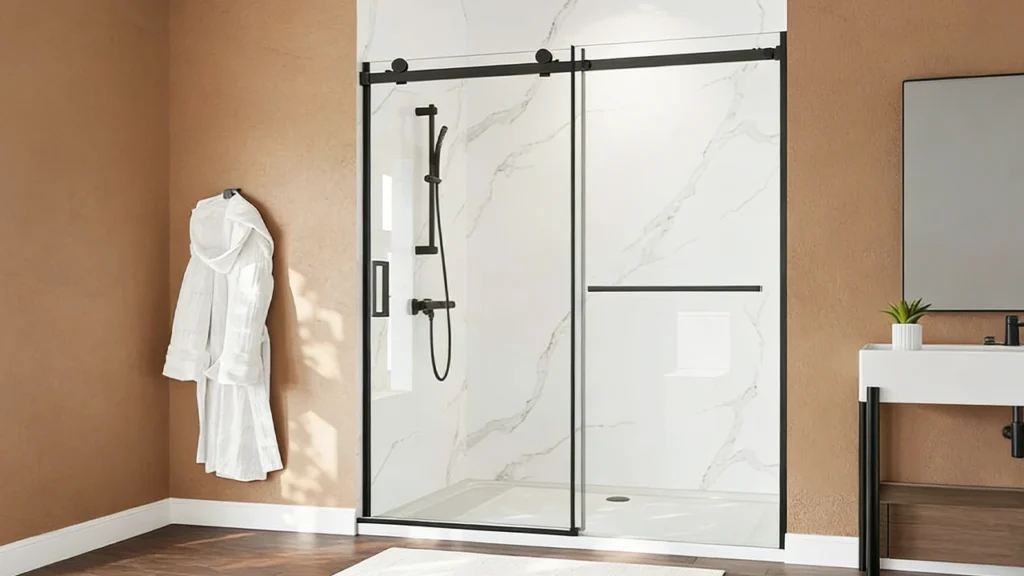
Anodized aluminum or high-grade stainless steel provides the best durability for hotel environments. These materials resist rust and the “pitting” caused by steam, ensuring the door operates smoothly for thousands of guest cycles.
Source:
- https://www.protolabs.com/resources/blog/benefits-of-aluminum-anodizing-for-metal-parts/
- https://www.metaltek.com/blog/304-vs-316-stainless-steel-which-one-is-better/
Anodized Aluminum
Anodized aluminum goes through an electrochemical process that thickens the natural oxide layer on the metal. This makes the frame extremely hard and resistant to the scratches and chemicals common in commercial bathroom settings.
304 Grade Stainless Steel
Stainless steel is heavier and stronger than aluminum, making it ideal for large, heavy glass panels. It offers a premium weight and feel that communicates quality to the guest every time they open the door.
Solid Brass Hardware
For luxury boutique hotels, solid brass hardware provides the ultimate in corrosion resistance and style. While it is the most expensive option, it can be refinished and lasts longer than almost any other metal.
| Frame Material | Rust Resistance | Weight Support | Price Point |
|---|---|---|---|
| Anodized Aluminum | High | Medium | Affordable |
| Stainless Steel | Very High | High | Premium |
| Powder Coated Steel | Moderate | Medium | Low |
In my factory days, I saw many returns because of cheap powder-coated frames. The paint would bubble and flake off within a year because of the steam. For Emma and other procurement managers, I suggest sticking to anodized finishes. They are part of the metal itself and cannot peel. This ensures the shower door gasket material stays seated correctly, preventing leaks that damage the bathroom floor.
Which materials meet commercial safety and building standards?
Hotel projects must follow strict building codes to avoid massive legal liabilities and safety risks. Using non-compliant materials in a guest room is a mistake that can lead to catastrophic injuries and failed inspections.
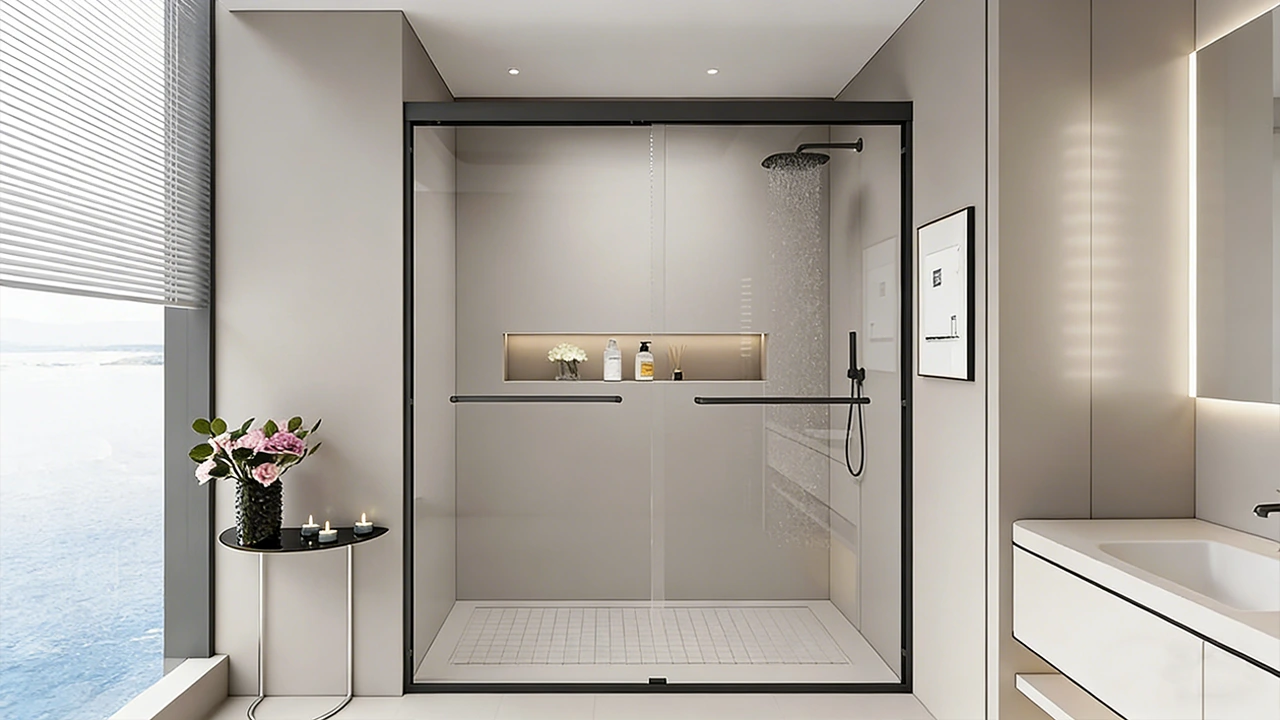
Tempered glass that meets ANSI Z97.1 or EN 12150 standards is the only material that fully satisfies global safety codes. These certifications ensure the glass can withstand specific pressure levels and break safely if an accident occurs.
Heat-Soaked Tempered Glass
Heat soaking is an extra test where tempered glass is put in an oven to find unstable panels. This process identifies glass that might explode spontaneously, which is a rare but real fear for many hotel operators.
Certified Safety Filming
Some hotels apply a clear safety film over existing glass to meet updated codes. While this helps keep broken pieces together, it is usually a temporary fix rather than a long-term professional solution for new builds.
Reinforced Shower Hinges
Safety is not just about the glass; it is also about how the glass is held. Heavy-duty hinges with internal locking pins ensure that the door never slips out of its mounting, even with heavy use.
| Safety Standard | Requirement | Typical Application |
|---|---|---|
| ANSI Z97.1 | Impact Resistance | North American Hotels |
| EN 12150 | Fragmentation Test | European Hotel Projects |
| SGCC | Third-Party Audit | Global Quality Control |
When I manage large orders, I check every crate for the safety logo etched in the corner of the glass. This small mark proves the glass was tempered correctly at the factory. For a project manager like Emma, these certifications are her shield against liability. Without them, an insurance company might refuse to cover a claim if a guest gets hurt during their stay.
🏨 Project Snapshot: Luxury Resort
Pain: Standard cabinets failed quickly in high-humidity resort environments.
Solution: George's custom moisture-resistant vanities & bathroom space redesign.
Result: Zero maintenance issues post-installation, elevating guest experience.
How should hotels choose between glass, acrylic and composite for different project tiers?
Budget often dictates material choice, but picking based on the lowest price can be a trap. Different hotel tiers require different solutions to match guest expectations while keeping the total cost of ownership low.
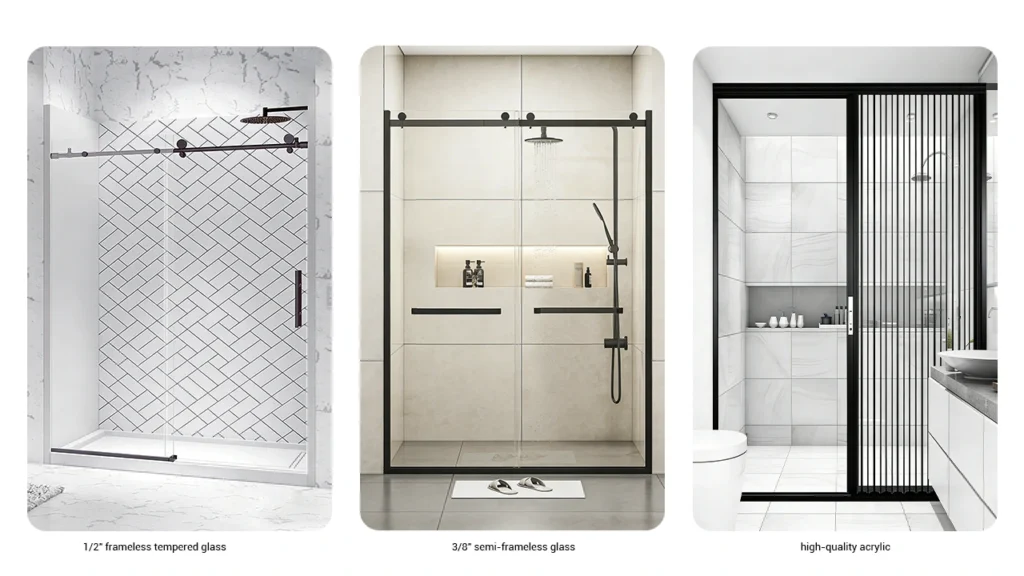
Luxury hotels should always use 1/2″ frameless tempered glass for a high-end feel. Mid-range hotels benefit most from 3/8″ semi-frameless glass, while economy brands might consider high-quality acrylic shower doors to keep initial renovation costs down.
Luxury Tier (5-Star)
Five-star properties need heavy, frameless glass that feels like a spa. Using thick tempered glass with minimal metal creates a seamless look that highlights beautiful tile work and high-end fixtures.
Mid-Scale Tier (3-4 Star)
Mid-scale hotels need a balance of style and function. Semi-frameless designs with anodized aluminum frames provide the strength of glass with a slightly lower price point and easier installation for large-scale renovations.
Economy Tier (1-2 Star)
Economy hotels often prioritize speed and low cost. While acrylic panels are lighter and cheaper to ship, they require very careful cleaning. Fiberglass shower doors are another option, though they are much harder to repair if damaged.
| Hotel Tier | Recommended Material | Thickness | Design Style |
|---|---|---|---|
| Luxury | Tempered Glass | 1/2" (12mm) | Frameless |
| Mid-Scale | Tempered Glass | 3/8" (10mm) | Semi-Frameless |
| Economy | Acrylic / Glass | 1/4" (6mm) | Framed |
I always suggest that even economy hotels try to use at least 6mm glass if their budget allows. Acrylic tends to yellow over time, which makes a room look dirty even when it is clean. Guests perceive glass as more hygienic. If you are worried about the shower door gasket material failing, choosing a high-quality glass system with standard replaceable parts will save you a lot of trouble later.
Conclusion
Choosing tempered glass with a nano-coating is the smartest way to protect your hotel investment. It ensures guest safety, reduces cleaning costs, and maintains a premium look. Contact Georgebuildshop today for expert procurement help.
Would you like me to create a customized material specification sheet for your next hotel renovation project?“`
Ready to Specify the Right Materials for Your Project?
Choosing tempered glass with a commercial-grade nano-coating is the smartest way to protect your hotel investment, ensure guest safety, and drastically reduce cleaning costs.
Take the guesswork out of procurement. Fill out the form below with your project details or floor plans. Our engineering and design team at Georgebuildshop will review your requirements and provide a comprehensive material specification sheet, custom 3D layout, and a bulk-pricing quote tailored to your property.