
Frameless shower door cost looks simple at first. Then hidden fees, wrong measurements, and broken glass show up later, and the real bill grows fast.
Frameless shower door cost depends on glass thickness, door type, hardware, custom sizing, packaging, and shipping. In hotel, apartment, and healthcare projects, the final price is never just the glass price alone.
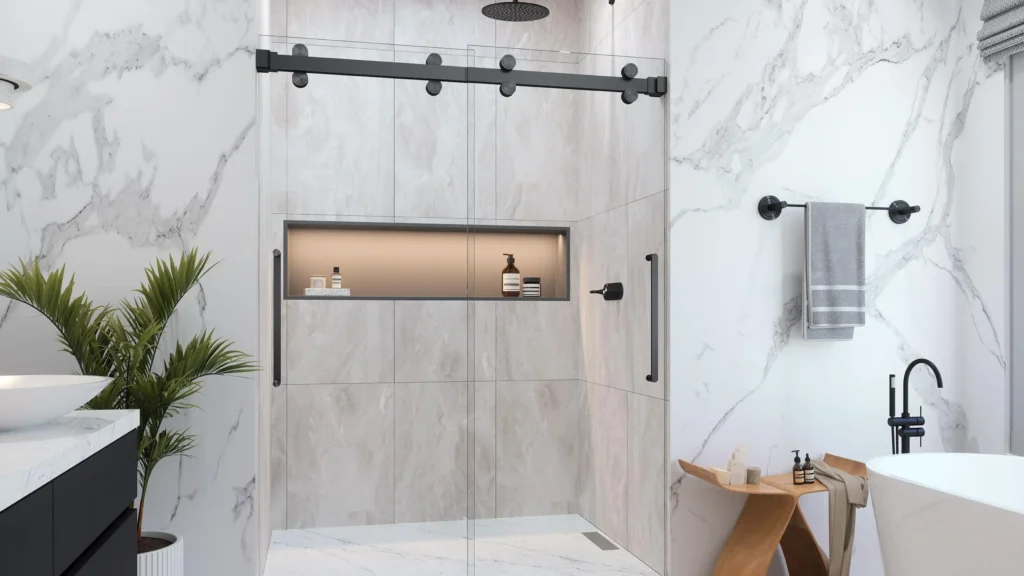
I have spent years supplying bathroom products to hotels, apartments, and clinics. I learned one thing early: the cheapest quote is rarely the cheapest project. A frameless shower glass door that breaks in transit, or a frameless sliding shower door with weak rollers, always costs more later. Stay with me, and I will show you where the real money goes.
Table of Contents
How Much Does a Frameless Shower Door Cost in a Project?
Buyers often see one number online and expect it to fit every job. That number is only the start of the story.
Most homeowner pages list frameless shower door installed cost between $1,000 and $2,500, sometimes up to $5,000. This depends on size, glass thickness, door type, hardware, and install work. But that number rarely fits a hotel or apartment project.
How to Calculate Shower Door Cost for Real Projects
For real projects, the cost breaks down differently. A shower door quote should not be judged by one simple installed price.
Project shower door cost =
A single installed price cannot equal a bulk project cost. Factory quotes from China often look lower than local install pages, because those pages include labor, site visits, and regional wage differences. Factory prices are usually product cost only, quoted as FOB, EXW, CIF, or DDP.
Source:
https://www.reddit.com/r/Remodel/comments/1r13km7/did_i_get_the_we_dont_want_to_do_this_estimate/
Why the retail price is misleading
A retail page shows one door, one house, one installer. A project needs dozens or hundreds of doors, shipped together, matched to different room types. The retail number skips this planning work entirely.
Why factory pricing looks different
Factory quotes cover the glass and hardware only, unless you ask for full delivery terms. Freight, duty, and site installation are separate line items that buyers must request up front.
When I talk to procurement teams, I always ask them to separate two questions: what does one door cost, and what does the whole project cost, delivered and installed. These are not the same number. A hotel with 200 rooms needs a cost model, not a single retail quote. Skipping this step is the most common reason budgets go wrong midway through a renovation.
Why Can Frameless Shower Door Quotes Vary So Much?
Two quotes for the same size door can differ by hundreds of dollars. This confuses almost every first-time buyer.
Quotes vary because of glass thickness, glass type, door type, hardware grade, site conditions, and processing complexity. A small change in any of these factors can shift the final frameless shower door cost significantly.
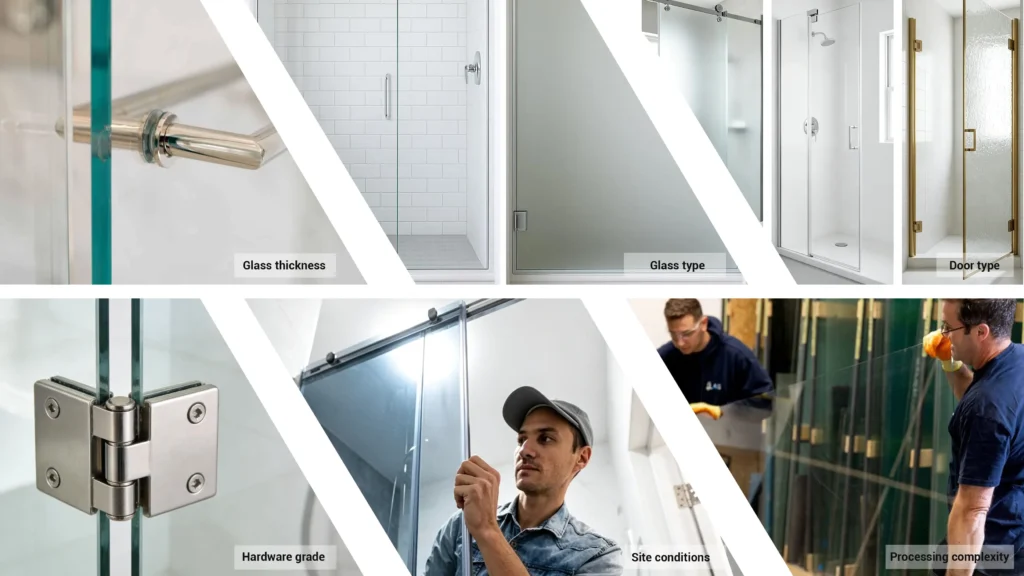
Glass thickness and type
Common thickness options are 8mm, 10mm, and 12mm, or 3/8 inch and 1/2 inch. Glass type also matters: clear tempered, low-iron, frosted, fluted, or tinted glass all carry different prices.
Door type and hardware
Hinged, pivot, sliding, fixed panel, and walk-in screens each need different hardware. Hinges, rollers, handles, and wall profiles all add cost, especially in premium finishes.
Site conditions and processing
Uneven walls, tile finish variance, and sloped floors force custom cutting. Notches, drilled holes, and polished edges all raise labor cost per panel.
| Factor | Cost Driver |
|---|---|
| Glass thickness | Thicker glass costs more |
| Door type | Sliding and pivot need more hardware |
| Site tolerance | Poor tolerance forces custom cuts |
| Order volume | Bulk orders lower unit cost |
How Do Glass Thickness, Door Type, and Hardware Affect Cost?
Buyers need to know which specs are worth the extra spend, and which ones can be simplified without hurting quality.
Glass thickness, door type, and hardware grade together decide most of the frameless shower door cost. Thicker glass needs stronger hardware, and stronger hardware needs better wall support to work safely long-term.
| Specification | Cost Impact | Project Decision |
|---|---|---|
| 8mm glass | Lower cost | Good for apartments, budget hotels |
| 10mm / 3/8" glass | Mid cost | Balanced choice for most hotels |
| 12mm / 1/2" glass | Higher cost | Luxury hotels, heavy doors |
| Sliding door | Complex hardware | Small hotel bathrooms |
| Hinged / pivot door | Needs swing space | Mid to high-end hotels |
| Fixed panel / walk-in | Simple structure | Needs careful water control |
| Low-iron glass | Higher cost | Light-colored stone or tile spaces |
| Nano coating | Adds upfront cost | Cuts long-term cleaning cost |
| 304/316 hardware | Higher cost | Coastal or high-humidity projects |
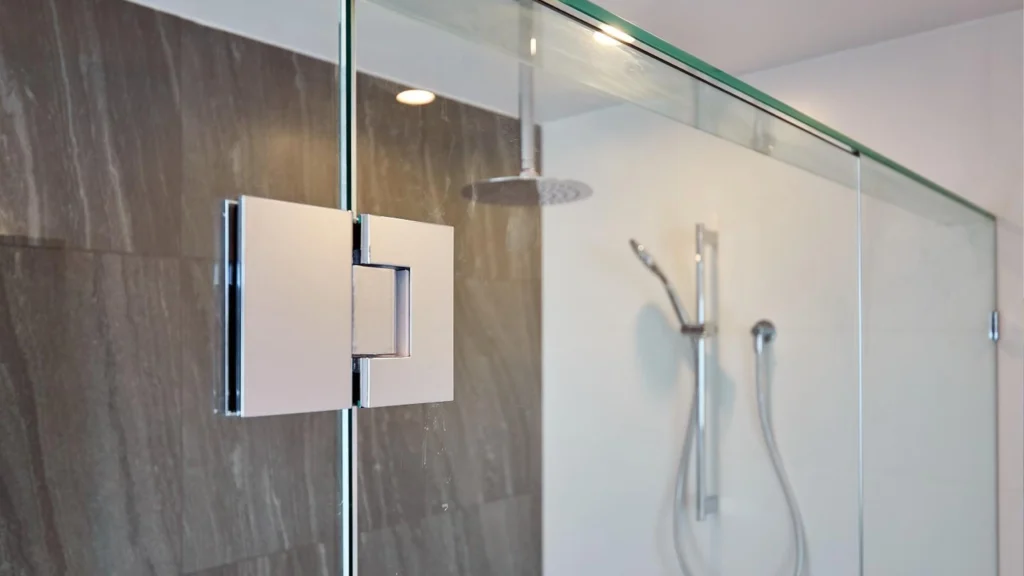
3/8 inch versus 1/2 inch glass
Thicker glass is not just heavier. It also needs stronger wall anchoring and hinges rated for the extra weight. Skipping this step causes sagging doors within months.
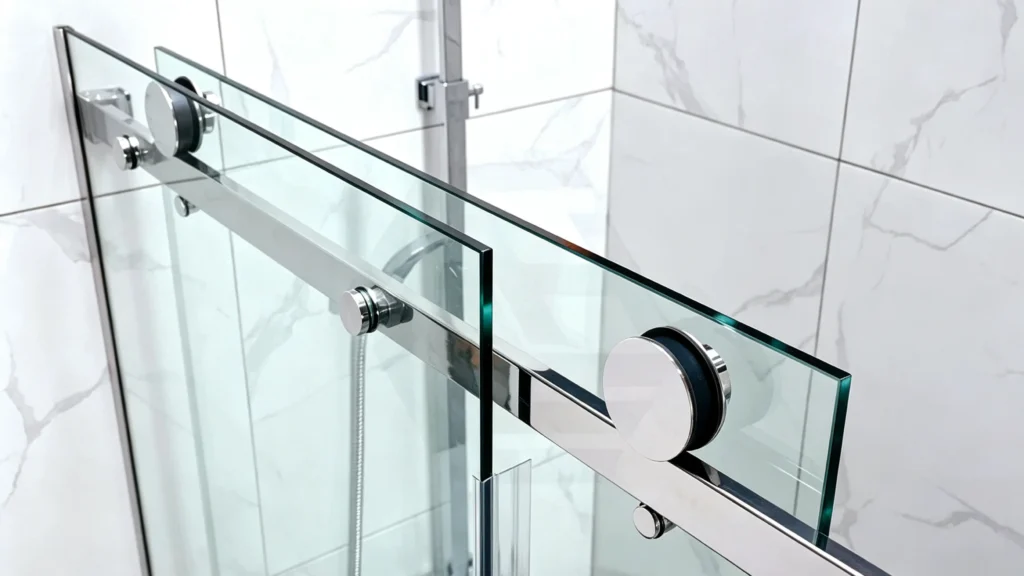
Frameless sliding shower doors
Sliding doors save floor space, but the roller, track, and wall alignment decide how smooth and quiet the door stays over years of daily hotel use.
Fixed panel screens
A fixed panel costs less upfront, but water splash and guest comfort need testing before you commit to this option in a hotel bathroom.
We produce 8mm, 10mm, and 12mm glass with SGCC-certified tempering, marine-grade hardware, and finishes rated for over 100,000 open-close cycles. This matters because hotel doors get used far more often than home doors. A weak roller or hinge fails faster under daily guest traffic, and replacing parts mid-operation always costs more than choosing durable hardware from the start.
Is Frameless More Expensive Than Framed or Semi-Frameless Shower Doors?
Buyers often ask if frameless is worth the extra spend compared to framed or semi-frameless doors.
Frameless shower doors usually cost more than framed or semi-frameless options. This is because they need thicker tempered glass, stronger hardware, and more precise cutting and installation work.
| Type | Cost | Trade-off |
|---|---|---|
| Framed | Lowest | Easy install, harder to clean, dated look |
| Semi-frameless | Mid | Balanced look and budget |
| Frameless | Highest | Modern look, easier cleaning, tighter tolerance |
Framed doors
Framed doors cost less and tolerate uneven walls better. But metal frames collect grime and look outdated in newer hotel designs.
Semi-frameless doors
This middle option suits mid-range hotels and apartments that want a modern look without the full frameless budget.
Frameless doors
Frameless doors look premium and clean easily, but need accurate openings and skilled installation to avoid gaps and leaks.
The right answer depends on the project, not on which door looks nicer in a photo. Luxury hotels often choose frameless or heavy glass for guest suites. Midscale hotels may pick semi-frameless for cost control. Apartments often mix standardized sliding doors with select frameless units. Healthcare projects should prioritize compliance, easy cleaning, and transfer space over appearance alone.
When Should Hotels, Apartments, and Healthcare Projects Pay More for Frameless Shower Doors?
Not every room needs the most expensive door. Knowing when to spend more saves money across the whole project.
Hotels should pay more for frameless doors in premium suites and brand-standard rooms. Apartments benefit more from standardized sizing. Healthcare projects should prioritize cleaning, durability, and accessible design over appearance.
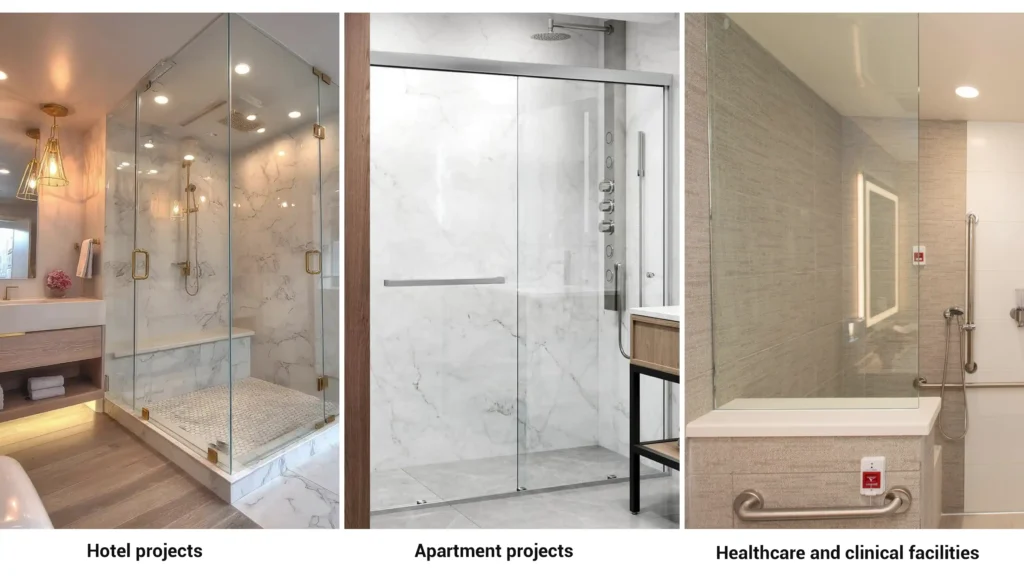
Hotel projects
Frameless doors suit high-end rooms, suites, and resorts where guest experience and consistent room appearance matter most. Half-open or doorless showers can cause splash complaints and slip risk, so this trade-off needs care.
Apartment projects
Apartments gain more from standardizing two to four room types with matching size, hardware color, and glass thickness. This cuts SKU count and speeds replacement when parts break.
Healthcare and clinical facilities
Healthcare projects should focus on easy cleaning, corrosion resistance, and accessible design, not luxury appearance. Enclosures must never block controls, faucets, or wheelchair transfer space, following accessibility guidance.
This decision is really about risk, not style. A luxury hotel accepts higher door cost because guest experience drives revenue. A budget apartment building accepts standard sizing because fast, cheap replacement matters more than custom design. A hospital accepts a plainer door because compliance and safety outrank appearance. Matching the spend to the project type avoids both overspending and costly failures later.
What Hidden Costs Should Procurement Teams Include?
The sticker price rarely tells the full story. Procurement teams that skip hidden costs often face budget surprises mid-project.
Hidden costs include re-measurement, rework, breakage during shipping, delivery delays, cleaning labor, hardware maintenance, guest complaints, and compliance documentation. These costs often exceed the original glass price over time.
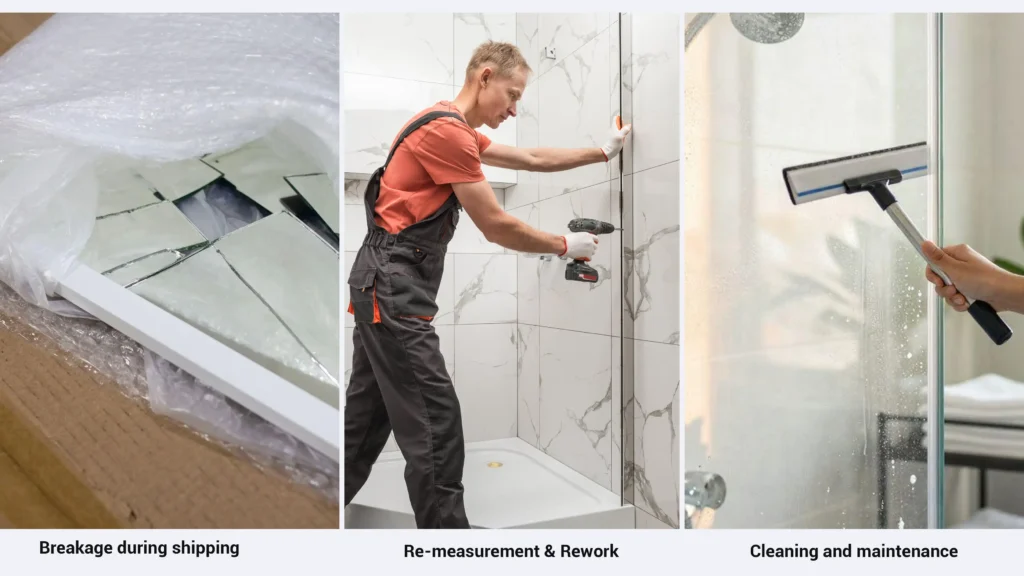
Re-measurement and rework
Tile finish often shifts opening size. Re-measuring after tiling avoids costly on-site cutting and gaps.
Breakage and delay
Poor packaging causes glass breakage in transit. A delayed door can hold up an entire room handover.
Cleaning and maintenance
Weak coating raises cleaning time. Rollers, hinges, and seals need periodic replacement over years of use.
Guest complaints and compliance
Splashing from open showers frustrates guests. Missing safety documents can delay project acceptance and payment.
I always tell procurement managers to think in total cost, not unit price. A shower door that arrives broken, fits poorly, or fails within a year costs far more than the original savings. Coordinating shower doors with vanities, tubs, and tiles under one supplier also reduces mismatched colors, missed deadlines, and finger-pointing between vendors when something goes wrong on site.
Project Snapshot: 200-Room Luxury Resort
Pain Point: The client faced varying wall tolerances across different suites and high risks of glass breakage during international transit, threatening their grand opening deadline.
Solution: We provided a complete, one-stop bathroom package (frameless doors, vanities, and hardware). Using 1:1 3D visualization, we verified all measurements beforehand and utilized reinforced export packaging.
Result: Zero breakage upon arrival. The precise fit eliminated on-site rework, cutting total installation time by 20% and keeping the project strictly within budget.
How Should Buyers Request an Accurate Frameless Shower Door Quote?
A vague request leads to a vague quote. Clear information gets buyers a number they can actually trust.
An accurate quote needs project type, room count, drawings, opening size, door type, glass thickness, hardware finish, accessibility needs, and delivery schedule. Skipping these details causes repeated back-and-forth and wasted time.
What to include in your request
Project type: hotel, apartment, healthcare, resort, or renovation
- Number of rooms or bathrooms
- Location and target market compliance
- Floor plan or elevation drawing
- Opening width and height after tile finish
- Door type: hinged, sliding, fixed panel, or walk-in screen
- Glass thickness: 8mm, 10mm, 12mm, or 3/8″, 1/2″
- Glass finish: clear, low-iron, frosted, fluted, or tinted
- Hardware finish: chrome, matte black, brushed nickel, or brushed gold
- Accessibility needs: ADA, roll-in, or transfer shower
- Delivery schedule and phased shipment needs
Sending drawings and room counts upfront saves weeks of back-and-forth. It also gives suppliers the details they need to quote glass thickness, hardware, and packaging correctly the first time. Buyers who skip this step often receive quotes that need revision three or four times before the numbers match the real project scope.
Conclusion
Frameless shower door cost depends on far more than glass price. Send us your room schedule and drawings, and we will help you build an accurate project cost plan.
Optimize Your Project Budgets From Day One
Frameless shower door cost is tied to precision manufacturing, unified hardware matching, and robust logistics planning rather than just the raw cost of glass. By anchoring your product procurement, custom design verification, and full-suite hospitality supply under a single expert team, you strip out hidden line items and protect your bottom line from unexpected project overruns.
Upload your architectural drawings, interior elevation designs, or room schedules below. Our commercial engineers will build a cohesive space layout and a transparent, landed pricing matrix tailored directly to your project scope.