Are your hotel bathtubs causing endless maintenance issues? If you are unsure how to choose a hotel bathtub correctly, these problems destroy guest reviews and eat up your profits. You need a TCO-driven procurement strategy.
The right hotel bathtub must be treated as a 10-year operating asset, not a design detail. To understand how to choose a hotel bathtub, focus on three factors: bathtub materials for low TCO, bathtub size that matches room type for efficiency, and bathtub installation features that minimize future leak risks.

Hotel owners often see hotel bathtub selection as a simple aesthetics check. My insight is different: how to choose hotel bathtub is a procurement decision that shapes installation risk, maintenance workload, and total operating cost for the next decade. This guide helps you choose commercial bathtubs based on long-term performance, not short-term price, for any serious hotel bathtub procurement decision.
Table of Contents
What Defines a Commercial-Grade Bathtub for Hotel Projects?
Do you think a cheap residential bathtub is okay for your hotel? That choice leads to expensive failures and guest complaints very fast. Understanding commercial-grade standards is the foundation of selecting the right hotel bathtub materials for long-term durability.
A commercial-grade hotel bathtub is defined by its ability to withstand high frequency use, resist harsh cleaning chemicals, and allow for easy, quick repair access. These commercial bathtubs are built with thicker structural supports and higher chemical resistance than standard residential units to ensure a lower Total Cost of Ownership (TCO).
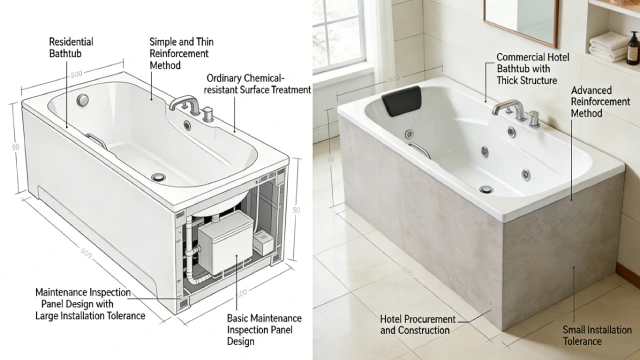
The difference between a home bathtub and a hotel bathtub is huge. A true commercial bathtub must handle daily abuse, offering high chemical resistance and built-in features for quick maintenance, minimizing operational downtime. In multiple hotel projects, residential bathtubs showed surface damage and leakage within 18–24 months, leading to wall tear-outs and room downtime. For high-turnover hotel bathtub applications, these structural differences are non-negotiable.
Key Differences: Residential vs Commercial Bathtubs
Residential Bathtub
Commercial-Grade Hotel Bathtub
How Should Hotels Choose the Right Bathtub Materials Based on Performance and Total Cost of Ownership (TCO)?
Are you choosing your bathtub materials based only on its look? The wrong material means constant repairs and costly room closures. Select the bathtub materials that deliver the lowest long-term TCO.
The correct hotel bathtub materials determine your 10-year operating cost. This is the most critical factor when learning how to choose a hotel bathtub for low TCO performance. To ensure a low TCO, choose bathtub materials like high-quality acrylic or solid surface that offer superior resistance to stains, high reparability, and excellent durability against harsh cleaning chemicals.
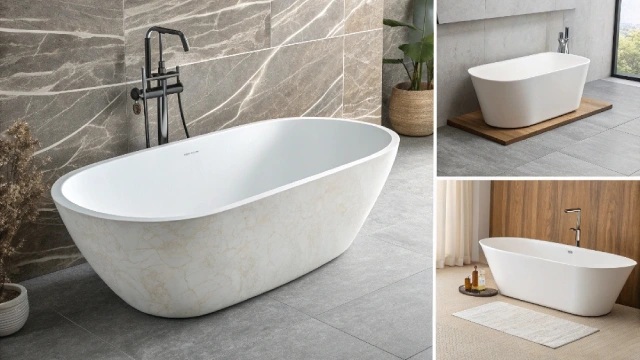
Choosing the material selection is the biggest decision because it fixes your long-term cost. A cheaper bathtub materials choice is a hidden maintenance contract. A budget bathtub might save $100 upfront, but if it scratches easily, repair costs and lost revenue from room downtime will quickly exceed the initial saving. We focus on commercial bathtubs with proven durability. Among all bathtub materials, reparability and stain resistance matter most. You must calculate the Total Cost of Ownership, where material performance is critical.
Why Material Choice Impacts 10-Year Operating Cost
- Repair Frequency: Durable bathtub materials require fewer service calls.
- Reparability: Materials like solid surface allow for seamless, onsite repair, which saves time.
- Replacement Cost: Choosing a long-lasting material delays the need for a full, very expensive replacement.
See more here: Which Bathtub Material Delivers the Lowest 10-Year TCO for Hotels?
How Can Hotels Select the Right Bathtub Size According to Room Type?
Does your design team want a huge bathtub in a tiny room? Oversized tubs waste water and complicate installation unnecessarily. Match the bathtub size to the room’s function and guest expectation.
Bathtub size is a core hotel bathtub procurement decision that affects water consumption, installation risk, and cleaning efficiency. Standardizing hotel bathtub size is one of the easiest ways to control utility cost. To optimize, standardize on compact sizes (around 60 inches) for standard rooms, and reserve larger, premium commercial bathtubs for deluxe or executive suites.
Size is a financial factor. A larger bathtub means higher upfront cost and higher ongoing utility bills. It also creates higher installation risk due to fitting large units into confined spaces. Oversized bathtubs often increase installation risk and water consumption without improving standard guest satisfaction. We advise standard 60-inch models for most rooms to reduce water costs and simplify standardized installation. You must see bathtub size as a utility cost driver and an installation risk multiplier.
For a deeper dive into how bathtub size affects installation risk, procurement cost, and long-term operational efficiency across different hotel room types, see our dedicated guide below: What is the Right Bathtub Size for Different Hotel Room Types?
Size Strategy by Room Category (High-Level Only)
The following bathtub size strategy reflects proven hotel bathtub configurations used in large hospitality projects.
Recommended Bathtub Sizes by Room Category
Standard / Business Room
Deluxe / Junior Suite
Executive / Luxury Suite
What Installation and Construction Risks Can Impact Hotel Bathtub Project Costs?
Are you worried about costly leaks after your hotel opens? Poor bathtub installation is the number one cause of long-term failure. Select tubs designed for standardized, leak-proof construction.
The most common and expensive failures in a hotel bathtub installation are related to leaks, improper drainage, and failing seals. For any hotel bathtub, installation readiness is as important as material quality. Procurement must prioritize commercial bathtubs that feature integrated tiling flanges, strong leveling systems, and structural designs that minimize the potential for onsite errors.
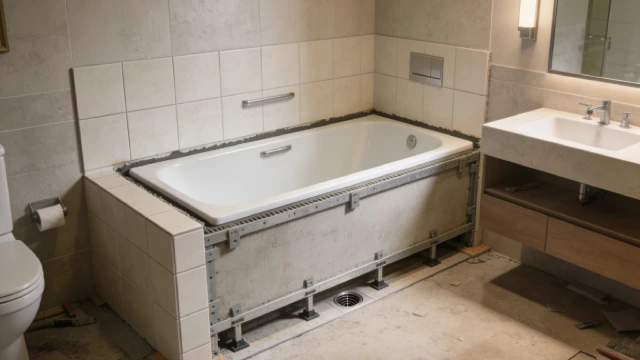
Installation risks eliminate cost savings. Procurement must check the product’s structure for installation readiness: a robust tiling flange and an integrated leveling system are essential. The failure to properly sealing the gap between the tub and the tile flange is a common cause of costly multi-story water damage. Procuring commercial bathtubs that standardize the installation process reduces reliance on perfect contractor execution. This pre-engineered onsite installation readiness is key to reducing liability and rework during the construction phase.
Common Installation-Related Failures in Hotel Projects
- Water Leakage:Most critical failure, usually caused by improper sealing at the wall or flange.
- Uneven Surface:Results in poor drainage and water pooling, causing mold and stains.
- Seam/Sealant Degradation:Cheap sealants or poor application lead to rapid peeling and water penetration.
Beyond choosing the right bathtub model, pre-installation planning plays a decisive role in long-term project performance. Many hotel defects — including leakage, drainage misalignment, and structural load issues — originate before installation even begins.
In this in-depth guide, we break down the most common installation-stage mistakes in commercial hotel projects and explain how early technical coordination, accurate measurements, and responsibility definition can significantly reduce rework and hidden costs.
Step 4: How Should Hotels Manage Costs and Align Bathtub Choices by Hotel Type?
Are you choosing price over lifecycle performance? A product mismatch fails either your budget or your guest experience goals. Align your true lifecycle cost (TCO) strategy with your hotel’s specific operating model.
The true cost of a hotel bathtub goes far beyond unit price. The cheapest bathtub often becomes the most expensive due to high maintenance and revenue loss from room downtime. True cost management for commercial bathtubs involves assessing total lifecycle cost, prioritizing fast installation, and ensuring high batch consistency. The true lifecycle cost is driven by bathtub materials quality, installation efficiency, and batch consistency.
The right hotel bathtub varies by operational model and positioning. Commercial bathtubs must align with your hotel’s profile. A high-turnover business hotel prioritizes maximizing room nights, making a durable, standard size acrylic unit ideal. For a luxury resort, the bathtub acts as a central design feature; a larger, elegant solid-surface bathtub justifies the cost. This alignment is essential when deciding how to choose a hotel bathtub for different hotel operating models.
Bathtub Alignment Strategy by Room Category
Standard / Business Room
Resort & Leisure Suites
Urban Apartments
What Design and Trend Considerations Should Be Taken into Account for Hotel Bathtubs?
Are you chasing the latest bathroom design trends? Trendy tubs can become a maintenance nightmare very quickly. Use design trends only if they respect commercial reality and durability.
While design trends are appealing, procurement must ensure they meet commercial standards, especially bathtub materials durability and cleanability. Design must be secondary to function. Always filter choices through maintainability and TCO.
Key Design Filters:
- Commercial Reality:Design must not complicate installation, requiring custom framing or increasing sealing risks.
- Maintenance:Irregular shapes or porous finishes add minutes to housekeeping time and increase maintenance workload.
- Safety & Durability:Prioritize bathtub materials and shapes that are durable and enhance safety (e.g., improved slip resistance).
What Is the Final Procurement Checklist for Hotel Bathtubs?
Did you remember every detail before signing the PO? Missing one check can cost you thousands in future repairs. Use this five-point checklist to secure your final decision.
To understand how to choose a hotel bathtub correctly, verify these five procurement-critical points: 1. Is it a true commercial-grade product?
2. Does the bathtub size match the room’s function?
3. Is the bathtub materials TCO-optimized?
4. Does the design minimize installation and maintenance risks?
5. Does the supplier have proven hotel project experience?
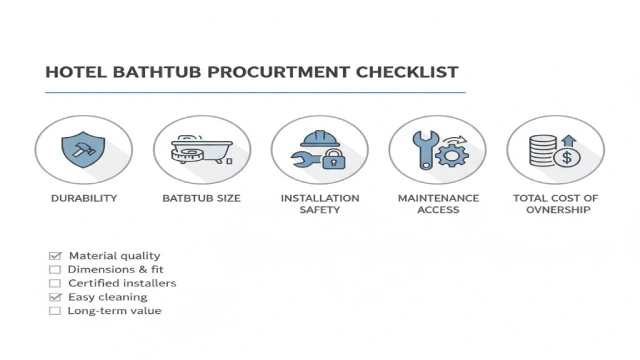
The right supplier offers project support and technical synergy. They guarantee batch consistency—any variation in color, finish, or bathtub size causes major delays and rework. You must demand evidence of strict Quality Control protocols designed for large-scale hospitality projects. A supplier with deep hotel project experience can offer critical logistics and installation insights that a general vendor cannot. Choose a partner who sells a 10-year asset solution.
Procurement Checklist
- ✔ Is the Bathtub Truly Commercial-Grade?(Must resist harsh chemicals, high load)
- ✔ Does the Size Match Room Type & Positioning?(Efficiency vs. Luxury)
- ✔ Is There a Clear TCO Logic?(Low maintenance, high reparability of bathtub materials)
- ✔ Does it Lower Installation & Maintenance Risk?(Integrated flanges, easy access)
- ✔ Does the Supplier Have Hotel Project Experience?(Batch consistency, project support)
Conclusion
Choosing the right hotel bathtub is a long-term financial decision based on durability, size strategy, and installation risk—not short-term price. Making the right decision on hotel bathtub materials, bathtub size, and bathtub installation will significantly reduce long-term operational risk. Work with our team to ensure your hotel bathtub procurement is backed by proven expertise, reliable installation, and long-term operational performance.
One-Stop Bathroom Solutions for Commercial Projects
We provide integrated one-stop bathroom solutions for hotel and commercial projects, supporting coordinated specifications and project execution.
▼ Submit the form below to connect with our team and explore project cooperation. ▼