
Custom bathroom vanity cost feels confusing when hotel budgets are tight. I often see buyers compare the average cost of custom bathroom vanity options without seeing what really changes the number.
In my experience, bulk custom vanities for hotel projects usually range from basic project-grade units to high-spec branded-room solutions, but the true price depends on size, materials, countertop, hardware, packing, shipping, and installation risk.
When I speak with hotel buyers, I notice one common problem. They ask for a fast number, but the drawing set is still incomplete. Then the first quote looks attractive, and the final bill grows later. That is where delays, variation, and budget stress usually begin.
Table of Contents
What Is the Average Cost of Bulk Custom Vanities for Hotel Projects?
I know why buyers ask for an average first. They need a budget target early. Still, I have learned that a simple average can mislead hotel teams during planning.
From what I see in project supply, the average cost of custom bathroom vanity orders for hotels is only useful as a rough planning tool. I treat it as a budget range, not a purchase decision, because room count, finish level, and countertop choice can move the price quickly.
Budget Grade
When I quote budget-grade hotel vanities, I usually see melamine or basic plywood construction, simple hardware, and standard stone or ceramic tops. These work for cost-led projects, but they leave less room for premium detailing, stronger edge treatment, or upgraded moisture protection.
Mid-Range Project Grade
I often recommend mid-range project grade for many hotels because it balances price and daily use. This level usually includes better board quality, improved hardware, cleaner finishes, and more reliable countertop options that look stable across many repeated rooms.
Premium Brand Standard
I see premium hotel projects ask for veneer, solid-surface tops, stronger drawer systems, branded hardware, and tighter finish matching. These units cost more at the start, yet they often support the guest image better and reduce complaints from operators later.
| Price Level | What I Usually See | Best Fit |
|---|---|---|
| Budget Grade | Basic cabinet build, simpler top, standard hardware | Cost-led projects |
| Mid-Range Project Grade | Better materials, stronger finish control, balanced specs | Most hotel renovations |
| Premium Brand Standard | Higher-end surfaces, upgraded hardware, tighter detailing | Luxury hotels and resorts |
When I compare hotel quotes, I do not focus on one number alone. I look at how many rooms repeat, how many vanity types exist, and whether the supplier included mirrors, sinks, faucets, backsplashes, and side panels. I have seen the cost of custom bathroom cabinets look low at first, then rise because the quote covered only the cabinet box.
What Factors Change the Price of a Custom Vanity in Bulk Orders?
I have seen buyers assume that volume alone will solve pricing. Volume helps, but it does not erase specification differences. The details still decide the real project cost.
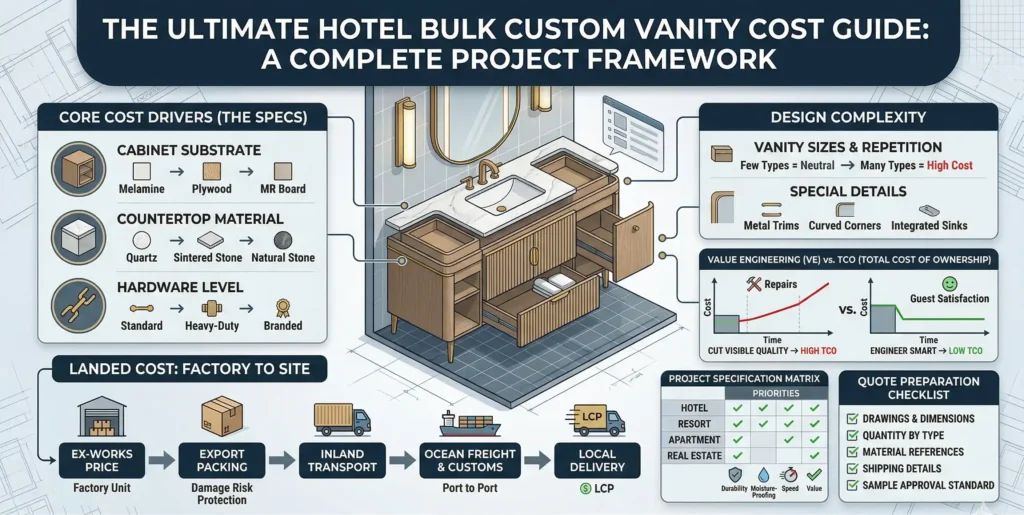
In bulk orders, the biggest price drivers are cabinet material, countertop type, hardware quality, vanity dimensions, finish method, sink cutout complexity, and packaging standard. I also watch how many custom bathroom vanity sizes a project needs, because more size variation often means more cost.
Material and Board Type
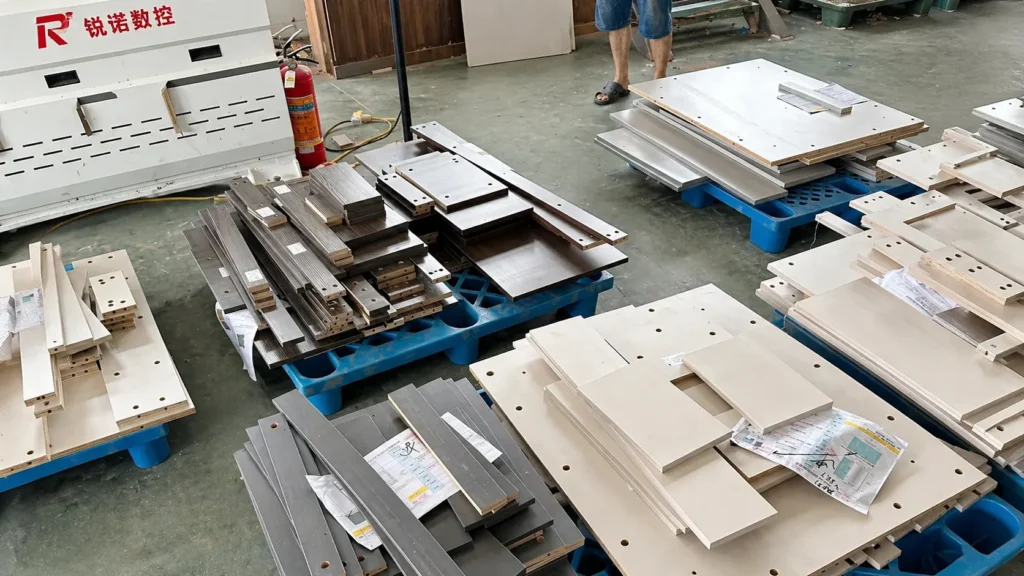
I often find that substrate choice changes the price fast. MDF, plywood, particleboard, marine-grade panels, and metal support structures do not perform or cost the same. In humid hotel bathrooms, I usually advise buyers to compare both price and moisture resistance together.
Countertop and Basin Choice
I see countertop cost surprise many buyers. Quartz, sintered stone, solid surface, ceramic, and natural stone all affect price, cutout work, weight, and shipping. An integrated sink can simplify cleaning, but it may raise the unit cost at first.
Finish and Hardware
I have learned that the finish is not just about color. Veneer, HPL, melamine, lacquer, and PVC each change labor, repair difficulty, and long-term appearance. Hardware also matters because drawer slides and hinges take daily abuse in hotel rooms.
| Factor | Lower Cost Option | Higher Cost Option |
|---|---|---|
| Cabinet Core | Standard board | Plywood or moisture-resistant board |
| Countertop | Ceramic or basic stone | Quartz, solid surface, sintered stone |
| Finish | Melamine or basic laminate | Veneer or painted finish |
| Hardware | Standard slides and hinges | Branded heavy-duty hardware |
I also check design complexity before I trust a quote. Open shelves, curved corners, metal trims, floating structures, special lighting gaps, and custom drawer layouts all add labor. In my own work, I have seen projects save money by simplifying hidden construction while keeping the visible hotel look strong.
What Is the Real Landed Cost When You Buy from Foshan, China?
I always tell buyers that factory price is only the start. The landed number is what matters if they want a true project budget and fewer surprises.
The real landed cost from Foshan, China includes factory price, packaging, inland transport, export handling, sea freight, customs duties, local delivery, installation support items, and possible site-side replacement risk. I never judge a supplier by ex-works price alone.

Factory Price Is Not the Full Story
I often receive quote requests that ask only for cabinet unit price. I understand why, but that leaves out many cost items. Once protection packing, countertop weight, and mixed container loading appear, the total can shift in a very real way.
Shipping and Import Costs
I always review freight as a separate risk area. Heavy stone tops, small order splits, and urgent delivery windows can change container efficiency. I have also seen last-minute port changes and customs handling fees damage a budget that looked good on paper.
Site Risk and Replacement Cost
I believe replacement risk belongs in landed cost. If weak packaging causes corner damage or finish scratches, the true expense grows fast. One damaged batch can delay room turnover, create labor waste, and raise guest-ready pressure for the hotel team.
| Landed Cost Item | Why I Include It |
|---|---|
| Factory Unit Price | Base production cost |
| Export Packing | Protects units during handling and transit |
| Freight and Customs | Major cross-border cost block |
| Local Delivery | Final movement to site or warehouse |
| Damage and Replacement Risk | Hidden cost that affects schedule and labor |
When I work with buyers from the Middle East, I often build landed cost in stages. I separate factory cost, freight estimate, and destination-side assumptions. That gives me a more honest number. It also helps the buyer explain the budget clearly to finance, project, and operations teams.
How Can Value Engineering Lower Cost Without Hurting Hotel Quality?
I like value engineering when it solves a problem, not when it simply cuts visible quality. Good value engineering keeps the guest feel while removing waste in hidden areas.
I use value engineering to lower cost by adjusting board grade, simplifying construction, standardizing hardware, reducing size variation, and choosing better-fit countertop solutions. The goal is not to make the vanity cheap. The goal is to make the project smarter.
Standardize Repeated Units
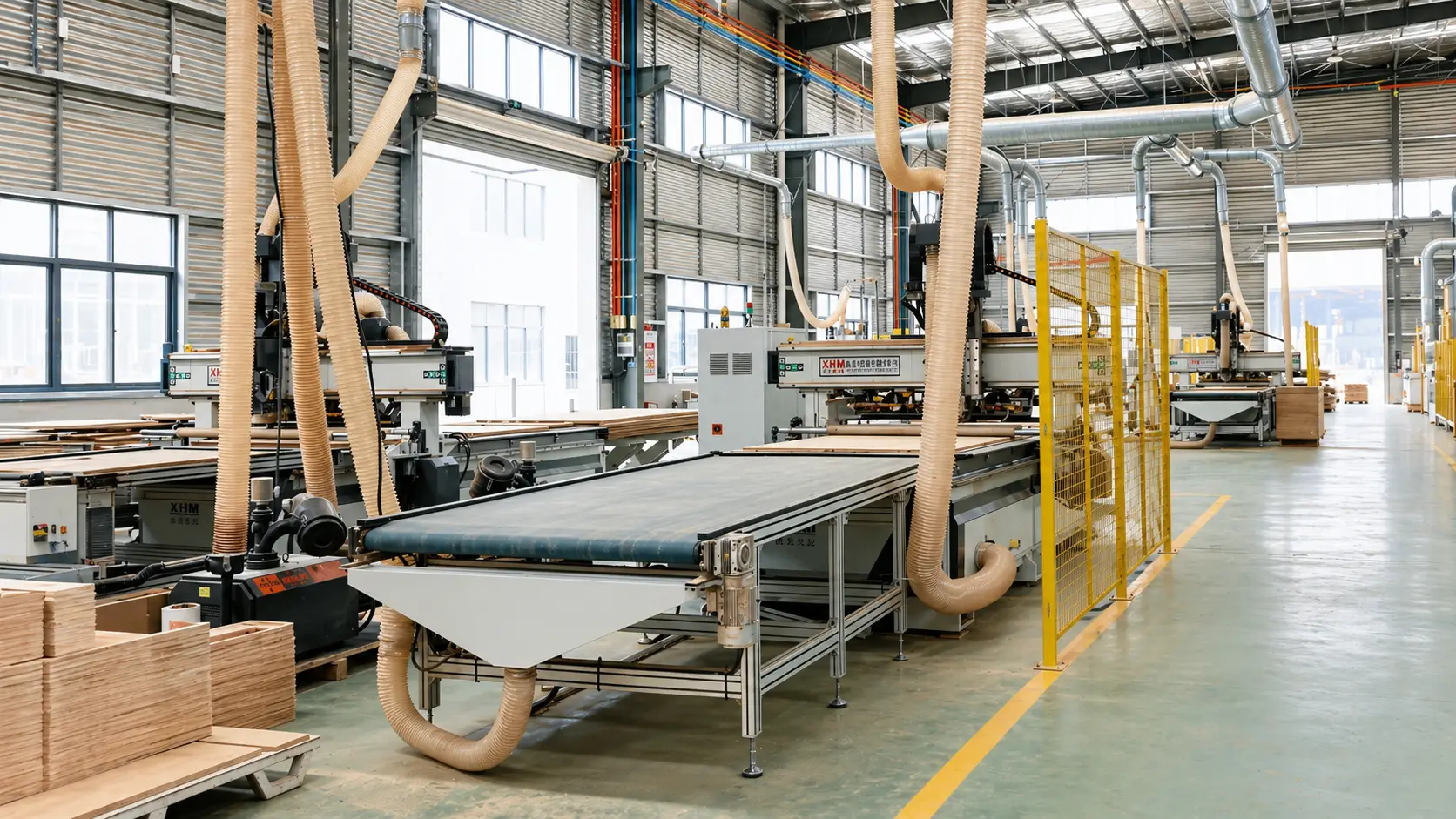
I often save buyers money by reducing unnecessary room-to-room variation. If ten vanity sizes become four practical modules, production becomes easier, packing improves, and installation becomes more predictable. That kind of control usually lowers waste without hurting the guest experience.
Protect Visible Quality
I never start by cutting what the guest sees first. I focus on hidden structure, internal layout, and over-spec hardware where needed. I keep the front view, touch points, and color consistency strong because those parts shape the hotel impression.
Match Specs to Property Type
I do not believe every property needs the same vanity spec. A resort, serviced apartment, business hotel, and luxury tower use bathrooms in different ways. I try to fit the spec to the real operating standard, not to an abstract premium label.
| VE Move I Often Use | Cost Effect | Quality Effect |
|---|---|---|
| Reduce vanity size variation | Lowers setup and production complexity | Usually neutral |
| Change hidden board spec | Cuts material cost | Often neutral if engineered well |
| Standardize hardware range | Improves buying efficiency | Often positive |
| Rework countertop choice | Controls weight and material cost | Depends on design goal |
I once worked on a multi-room project where the buyer wanted premium details in every unit. I kept the face panel and visible stone look close to the original idea, but I simplified internal construction and standardized accessories. The hotel kept its design feel, and the procurement team gained better cost control.
Case Snapshot: 300-Room Resort Project
The client faced a 20% budget overrun due to 12 different vanity sizes and high-risk fragile countertops, risking a 2-month delay.
We consolidated the design into 4 standard modular sizes (Value Engineering) and upgraded the hidden base material to marine-grade plywood, maintaining the premium 1-stop luxury look.
Saved 15% on total landed costs, achieved zero damage during shipping, and delivered 3 weeks ahead of schedule.
How Do Durability and Maintenance Affect the Total Cost of Ownership?
I have seen cheap vanities create expensive problems later. That is why I always talk about operating years, not just purchase day.
Durability and maintenance shape the total cost of ownership because weak materials, poor edge sealing, unstable hardware, and hard-to-clean surfaces can lead to repairs, room downtime, guest complaints, and faster replacement cycles in hotel use.
Source:
Moisture Resistance Matters
I always pay close attention to wet-zone performance. Hotel bathrooms face steam, cleaning chemicals, and repeated wiping every day. If edge sealing fails or board swelling starts, the vanity may still look fine at delivery but fail much earlier in service.
Easy Maintenance Saves Labor
I know hotel operators care about cleaning speed. Integrated tops, simpler joint lines, and durable surfaces can reduce daily housekeeping effort. A vanity that takes less time to clean and fewer parts to fix often saves more over years of use.
Hardware Failure Is a Hidden Cost
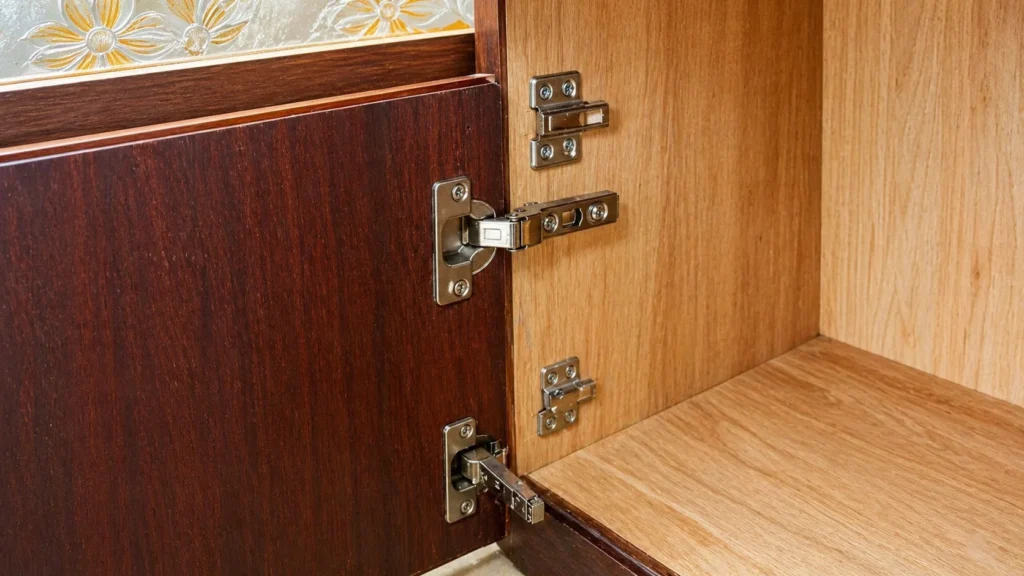
I have seen drawer slides and hinges become the first weak point in busy properties. When hardware fails, the room may still look usable, but staff time rises and guest complaints follow. I treat reliable hardware as part of lifecycle cost control.
| Factor | Method | Result |
|---|---|---|
| Size | CNC Cutting | 100% Uniformity |
| Color | Batch Buying | Matching Finishes |
| Quality | 100% Inspection | No Defective Units |
When I compare two quotes, I ask a simple question. Which unit will still perform after years of housekeeping, moisture, and guest turnover? That question often changes the decision. In many cases, the higher first cost becomes the lower real cost over the life of the project.
What Custom Vanity Specs Work Best for Hotels, Resorts, Apartments, and Real Estate Projects?
I never use one spec for every project type. I have learned that the right vanity depends on use pattern, maintenance needs, and brand position.
The best custom vanity specs depend on the property. Hotels need durability and finish consistency. Resorts often need stronger moisture resistance. Apartments may need value and repeatability. Real estate projects often need a balanced look, practical sizing, and cost control across many units.
Hotels and Resorts
I usually recommend moisture-resistant cabinet material, durable tops, easy-clean surfaces, and proven hardware for hotels and resorts. I also check whether the design supports daily housekeeping and easy parts replacement, because operating pressure is constant in guest-facing spaces.
Apartments
For apartment projects, I often focus on repeatable sizes, stable materials, efficient installation, and clean modern finishes. The goal is usually to protect budget while still offering a product that feels durable enough for leasing, sales, or managed rental use.
Real Estate and Mixed Projects
In real estate projects, I often see the need for flexible custom bathroom vanity sizes. Developers may want one visual language across several unit types. I try to keep the design family consistent while adjusting width, storage layout, and countertop detail by unit type.
| Project Type | Specs I Often Prioritize |
|---|---|
| Hotel | Durability, easy maintenance, finish consistency |
| Resort | Moisture resistance, premium look, robust packing |
| Apartment | Repeatable sizing, practical cost, installation speed |
| Real Estate | Flexible dimensions, visual consistency, balanced value |
I also think the best spec is the one a supplier can repeat well. A beautiful sample means little if the bulk order changes in color, size, or edge detail. In project work, consistency across hundreds of units matters as much as the first approved piece.
What Should You Prepare to Get an Accurate Bulk Quote?
I see many quote requests fail because the buyer sends too little information. Then the supplier guesses, and the buyer compares numbers that do not mean the same thing.
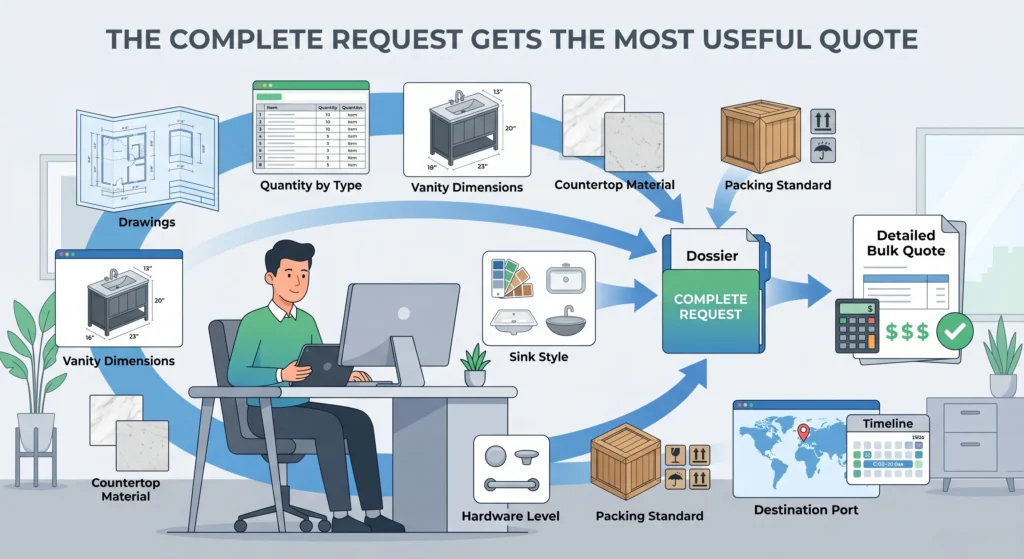
To get an accurate bulk quote, I prepare drawings, quantity by type, required vanity dimensions, countertop material, sink style, finish reference, hardware level, packing standard, destination port, and timeline. The more complete the request, the more useful the quote becomes.
Core Technical Information
I always ask for basic technical data first. That includes width, depth, height, mounting style, sink type, countertop material, and the expected look. Without that, any quote is only a rough guess and should never guide final procurement decisions.
Commercial and Shipping Details
I also need quantity split, delivery phase plan, packing requirement, destination country, and target timeline. These items affect both production logic and freight planning. In my work, missing shipping details often create the biggest pricing gap later.
Sample and Approval Standard
I always suggest that buyers define what counts as approved. I want a clear sample reference, finish approval, hardware confirmation, and tolerance expectation. That helps the supplier match the bulk order to the signed-off standard instead of relying on assumptions.
| What I Prepare | Why It Matters |
|---|---|
| Drawings and dimensions | Prevents wrong assumptions |
| Quantity by vanity type | Improves bulk pricing accuracy |
| Finish and material references | Supports sample matching |
| Shipping and port details | Makes landed cost more real |
| Timeline and approval process | Reduces delay and rework risk |
When I send a full inquiry pack, I usually get better answers. Suppliers itemize more clearly. Lead times look more realistic. I can compare offers in a fair way. That is why I tell buyers that a strong quote starts with strong preparation, not with bargaining.
Conclusion
I believe hotel vanity cost is a full-project decision, not just a unit price. If you want clearer bulk quotes and better project guidance, contact me at georgebuildshop.
Ready for an Accurate, 1-Stop Bathroom Quote?
Hotel vanity cost is a full-project decision, not just a box price. At George, we do more than manufacture custom vanities—we engineer complete, installation-ready bathroom spaces tailored for luxury resorts, business hotels, and premium apartments.
Submit your floor plans, quantity lists, or design inspirations below. Let our project experts map out a smart, durable, and budget-friendly bathroom solution for your next development.