
Hi, I’m Helen. Over the past ten years, I’ve worked closely with hotel developers, designers, builders, and asset managers across Australia and the Asia-Pacific region. From luxury resorts in Queensland to high-rise hotels in Sydney and Melbourne, I’ve seen how a single bathtub decision can ripple across an entire project. A slightly heavier or more complex tub can slow down installation, complicate compliance approvals, increase maintenance demands, and ultimately influence guest satisfaction.
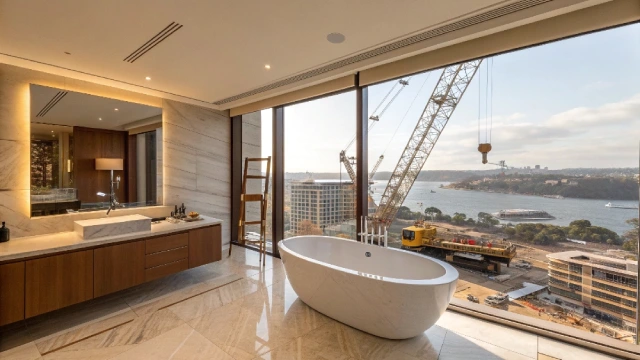
In hospitality projects, even minor decisions carry major consequences. Choosing the right bathtub from the start can save tens of thousands of dollars in labour, prevent delays across hundreds of rooms, and provide peace of mind for operations staff. This guide shares practical insights to help developers, designers, and operators select future-proof bathtubs that deliver reliability, compliance, and long-term value.
Table of Contents
What Challenges Hotels and Resorts Face?
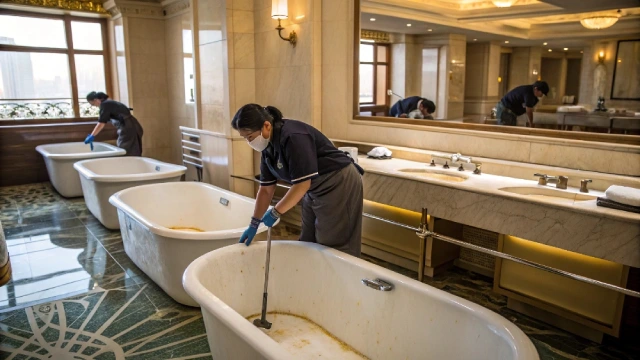
Bathrooms in hotels and resorts face conditions far beyond residential spaces. High-frequency guest use, daily chemical cleaning, and long operating hours push bathtubs to their limits. During projects ranging from 150 to over 600 rooms, I’ve found that installation time is one of the largest hidden costs. A bathtub that takes 20–30 minutes longer to install per room can add tens of thousands of dollars in labour costs across a large development.
Wear and tear is another concern. Frequent guest turnover accelerates material aging, and even premium acrylic can show scratches or discoloration if commercial-grade thickness is not specified. Hotels also face supply chain challenges: large projects demand colour-matched, defect-free products delivered on time and in consistent batches. Any delay or inconsistency can halt work on multiple floors, causing project timelines to slip.
Compliance adds complexity. Australian hotels must adhere to WaterMark plumbing approvals, WELS water efficiency certification, NCC construction codes, AS/NZS performance standards, and accessibility requirements. Non-compliance can result in delayed occupancy approvals, insurance complications, and expensive replacements, along with reputational damage.
Logistics also pose challenges. Transporting tubs through loading docks, elevators, narrow corridors, or multiple floors carries real risk of damage. Even after opening, hotels require products that are easy to clean, repairable onsite, and replaceable with matching parts. These factors make selecting future-proof bathtubs a critical strategic decision for hospitality projects.
Six Pillars for Selecting Future-Proof Bathtubs
From my experience, successful procurement decisions rely on six interrelated pillars: compliance, durability, installation efficiency, supply chain stability, lifecycle practicality, and guest experience.
Compliance and Certification is the foundation. Selecting a bathtub that meets WaterMark, WELS, NCC, AS/NZS, and accessibility standards prevents costly delays and operational risks. Hotels that skip this step risk delayed occupancy certificates, insurance issues, and expensive replacements. In short, compliance is non-negotiable.
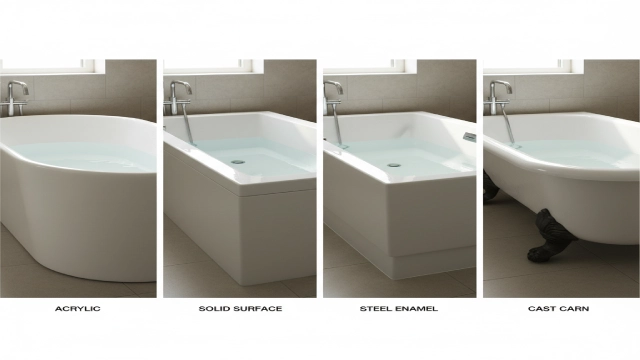
Material selection and commercial durability come next. Materials behave differently under commercial use than in residential settings. Reinforced acrylic offers a lightweight, warm-touch option ideal for high-rise installations, while solid surface or steel enamel provides a premium feel but may be heavier or harder to repair. Cast iron, though extremely durable, can create logistical challenges due to its weight. Understanding how materials perform under repeated cleaning, high-temperature water, and continuous guest use is essential for long-term success.
Installation efficiency is another key factor. Tubs that are lighter, pre-leveled, and designed with universal drain placement reduce labour costs and minimize disruption to other trades. In high-rise projects, the ability to move tubs efficiently via cranes or lifts can save days in scheduling and prevent bottlenecks.
For a detailed real-world example of how bathtub design choices affect installation time and labour on hotel projects, see our case study “How Bathtub Design Impacts Installation Time & Labour in Australian Hotel Projects.”
Supply chain stability and damage prevention play a crucial role. Predictable lead times, batch consistency, and robust packaging ensure tubs arrive ready for installation. Suppliers providing production capacity reports, quality control documentation, and replacement logistics safeguard timelines and prevent cascading delays.
Lifecycle cost and maintenance practicality are critical for hotels thinking in decades rather than months. A bathtub slightly more expensive upfront can save tens of thousands over its lifetime if it withstands cleaning chemicals, allows onsite repairs, and has spare parts readily available. Planning for lifecycle costs helps operators avoid expensive surprises and keeps operations running smoothly.
Finally, guest comfort and brand experience cannot be overlooked. Ergonomic shape, warm-touch materials, visual harmony with the bathroom, slip resistance, and sound insulation all contribute to guest satisfaction. A well-chosen bathtub enhances perceived room value, online reviews, and repeat bookings. In luxury resorts, the bathtub often becomes the hero piece of the bathroom.
To better understand how the quality level of a bathtub influences real-world hotel performance—from durability to guest perception—you can refer to our in-depth discussion on commercial-grade bathtubs.
Practical Procurement Framework for Hotel & Resort Teams
Based on my experience, a structured framework guides bathtub selection: define project requirements considering room categories, brand standards, load limits, space, and budget. Select materials and tub types balancing durability, guest experience, and installation practicality. Conduct compliance checks to verify all certifications before finalizing specifications.
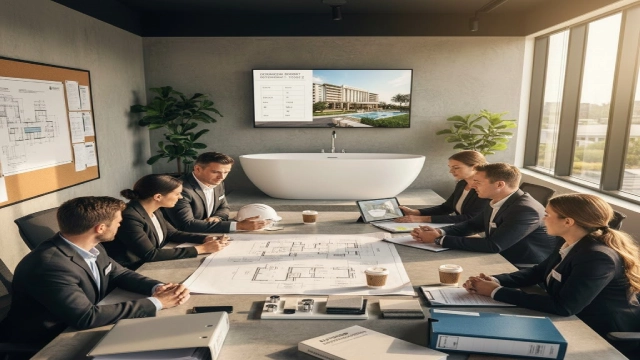
Assess supplier capability carefully, including production capacity, quality control systems, replacement policies, packaging, and freight plans. Plan the installation strategy in coordination with builders, covering staging, floor sequencing, and batch deliveries. Finally, prepare a long-term maintenance plan to ensure spare parts are available, repairs can be carried out efficiently, and future supply remains consistent. This approach reduces risk, improves coordination, and protects the project timeline.
For a deeper breakdown of how hotels can lower bath-fitout costs without reducing quality, see our article How Hotels and Resorts Can Reduce Bath-Fitout Costs Without Compromising Quality.
Defining “Future-Proof” for Hotels and Resorts
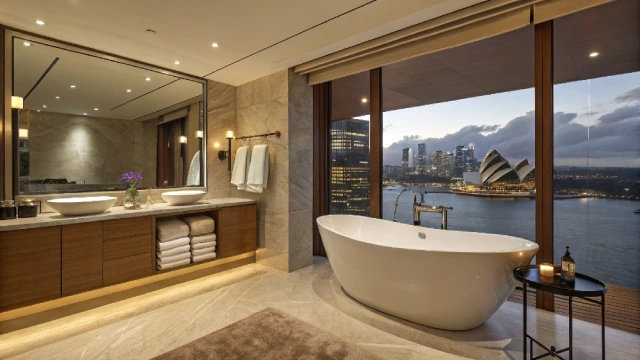
A bathtub is truly future-proof when it delivers zero compliance risk, consistent batch quality, fast and low-labour installation, protection from shipping and handling damage, low long-term maintenance costs, strong guest satisfaction, stable supply for future refurbishments, and predictable lifecycle performance. When these criteria are met, hotels gain clarity, stability, and long-term value in their bathroom investments.
FAQ
1. What bathtub standards must Australian hotels meet?What bathtub standards must Australian hotels meet?
Compliance with NCC, WaterMark, WELS, AS/NZS, and accessibility requirements is mandatory for all commercial hospitality installations.
2. How can hotels prevent damage during transport?
Using commercial-grade packaging, triple-layer protection, pallet labelling, and staged delivery schedules minimizes risk during freight and high-rise delivery.
3. How long do hotel bathtubs typically last?
Commercial-grade tubs generally last 10–15 years, while lower-quality options may only last 2–5 years.
4. Should luxury hotels choose freestanding or inset tubs?
Freestanding tubs suit premium suites and luxury resorts, while inset tubs optimize durability, cleaning efficiency, and safety in high-occupancy rooms.
5. How can lifecycle costs be minimized?
Invest in durable materials, verify supplier QC, and plan for spare parts and maintenance to avoid long-term surprises.
Conclusion
After ten years supporting hotel developers, designers, builders, and operators across Australia, I’ve learned that the most successful projects share one principle: they reduce uncertainty in their bathroom decisions.
If you want guidance selecting compliant, durable, and commercially reliable bathtubs for your next hotel or resort project, I can provide practical advice and support. Together, we can ensure your bathrooms remain beautiful, functional, and future-ready for years to come.
One-Stop Bathroom Solutions for Commercial Projects
We provide integrated one-stop bathroom solutions for hotel and commercial projects, supporting coordinated specifications and project execution.
▼ Submit the form below to connect with our team and explore project cooperation. ▼