
Are you struggling to choose the best toilet for your development? Overlooking rough-ins, compliance, or maintenance creates expensive installation errors, delayed project schedules, and frustrated property managers.
The best toilet for a large project matches your mechanical drawings, complies with local building codes, and offers proven flush reliability. It must ensure straightforward maintenance, consistent batch quality, and a low lifecycle cost.
Evaluating commercial bathroom fixtures requires moving beyond retail consumer ratings. You need a structured engineering approach to protect your budget, timeline, and building operations across hundreds of units.
What Makes a Toilet “Best” for a Large Project?
A fixture that looks great in a catalog can fail entirely on a job site. Choosing incorrectly leads to water supply mismatches, failed plumbing inspections, and costly site rework.
A project-grade fixture requires certified plumbing compatibility, strict batch consistency, accessible spare parts, and low lifecycle maintenance costs. Retail consumer ratings simply do not reflect commercial performance requirements.
Consumer Ratings vs. Project Performance
A five-star retail rating validates an isolated residential experience. It cannot verify whether a factory maintains dimensional consistency across 500 units. Top rated toilets chosen from home improvement stores often lack required commercial certifications or compatible rough-in dimensions. The most reliable toilets for commercial developments solve mechanical system risks rather than individual consumer preferences.
8-Point Project Toilet Evaluation
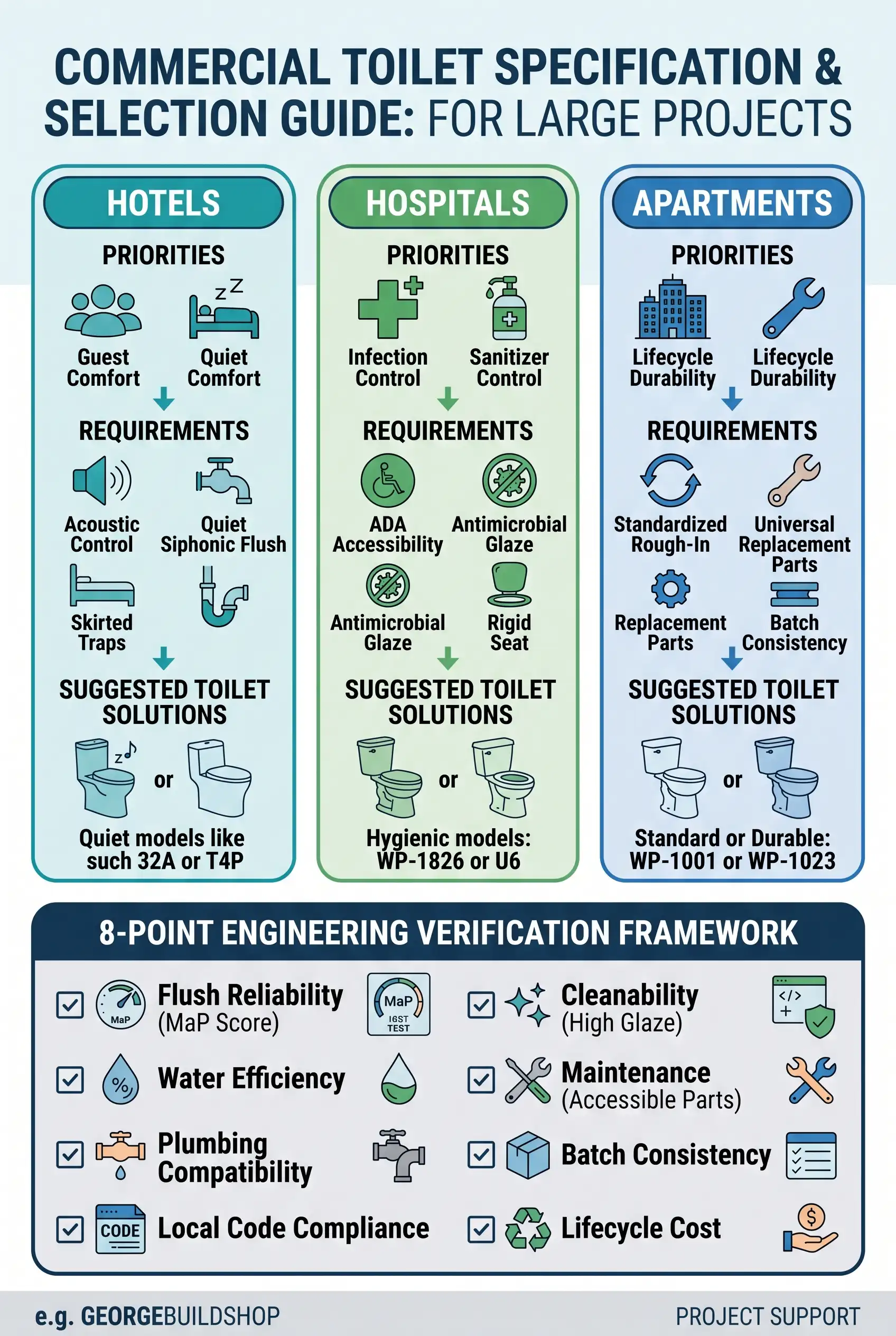
I use an eight-point evaluation framework to select every project fixture:
- Flush reliability: High MaP score and waste extraction.
- Water efficiency: Strict compliance with local consumption limits.
- Plumbing compatibility: Precise trap, rough-in, and supply sizing.
- Local compliance: Region-specific plumbing and building code listings.
- Cleanability: High-grade glaze and smooth exterior geometry.
- Maintenance: Standard, non-proprietary replacement valves and seals.
- Batch consistency: Uniform color, mounting holes, and dimensions.
- Lifecycle cost: Total purchase, installation, and upkeep expense.
| Evaluation Metric | Consumer Focus | Project Focus |
|---|---|---|
| Selection Criteria | Aesthetics and review scores | Code compliance and plumbing compatibility |
| Volume Reliability | Single unit performance | Batch consistency across 500+ units |
| Maintenance | DIY repair accessibility | Standardized commercial parts continuity |
| Cost Basis | Retail unit price | Total installed and lifecycle cost |
The best toilet for the money balances upfront unit pricing against twenty years of operational maintenance. When I source units for multi-family towers, I prioritize standard valve components over proprietary mechanisms. A cheaper unit with expensive, rare replacement parts quickly becomes a liability for facility maintenance teams.
Which Toilet Type and Flush System Best Fits the Building?
Specifying the wrong bowl structure or flush mechanism leads to continuous clogs, structural carrier failures, and excessive acoustic disturbance. These mechanical problems damage tenant satisfaction and property reputations.
Select fixture geometry and flushing systems based on structural wall depth, water supply volume, acoustic isolation targets, and daily foot traffic. Each configuration serves distinct operational parameters.
One-Piece, Two-Piece & Wall-Hung Toilets
One-piece models provide seamless surfaces for rapid housekeeping, though they carry higher replacement costs if broken. Two-piece units offer the best toilet type value for high-volume housing due to simple installation and low component costs. Wall-hung models elevate aesthetics and floor hygiene, but require in-wall carrier planning and accessible service panels before framing.
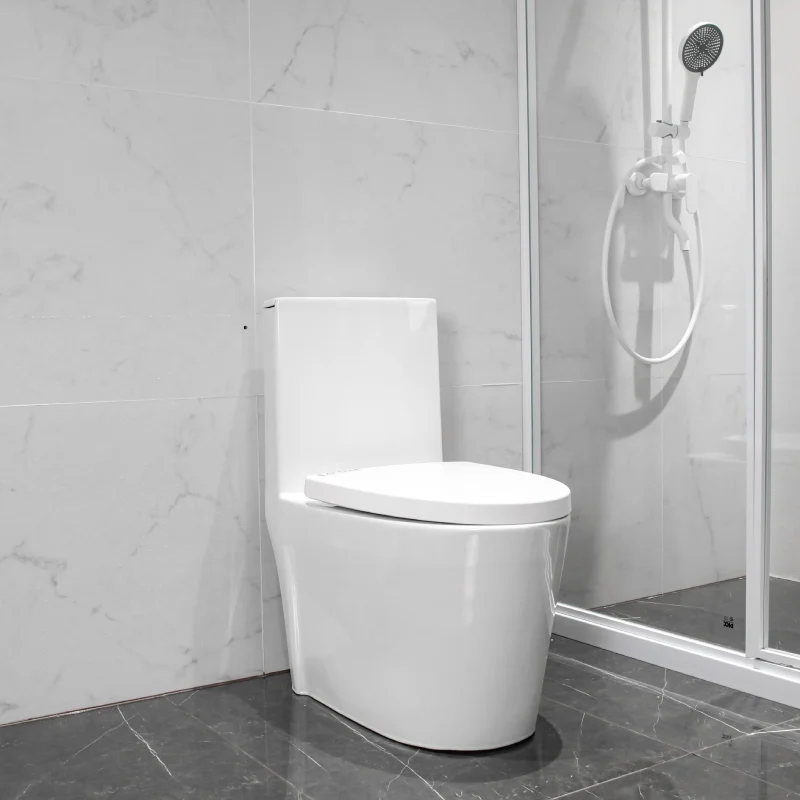
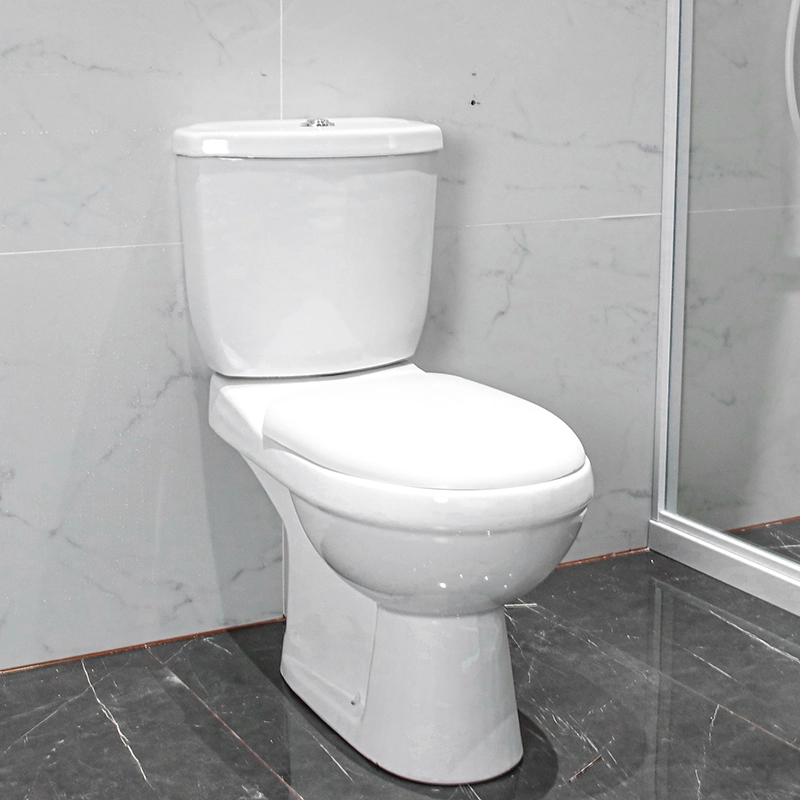
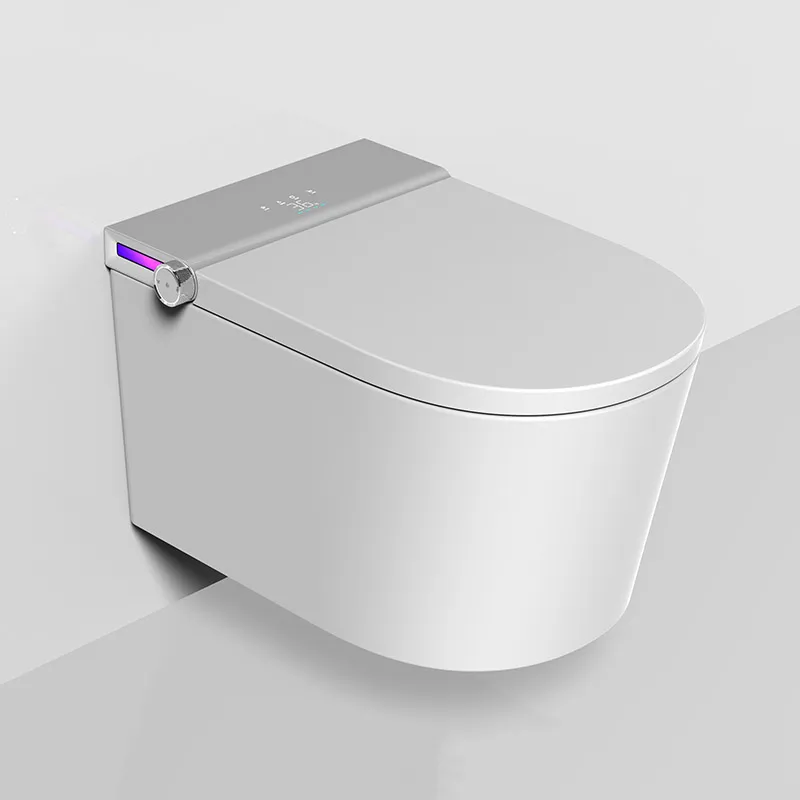
Gravity, Pressure-Assisted & Flushometer Systems
Gravity systems deliver reliable, quiet flushing suitable for residential acoustics. Pressure-assisted units generate a stronger flush for high-demand commercial areas, but produce higher operating noise. Flushometer systems excel in high-traffic public facilities, though they demand larger supply pipe diameters and sustained static water pressure that typical gravity lines cannot support.
Smart Toilets for Project Use
Specifying the best smart toilet adds high-end appeal to luxury hospitality suites and premium residential penthouses. However, integrating an intelligent toilet requires dedicated electrical outlets, precise water pressure verification, and clear backup manual flush options. You must verify local voltage standards, water filtration needs, and local technical support before bulk ordering.
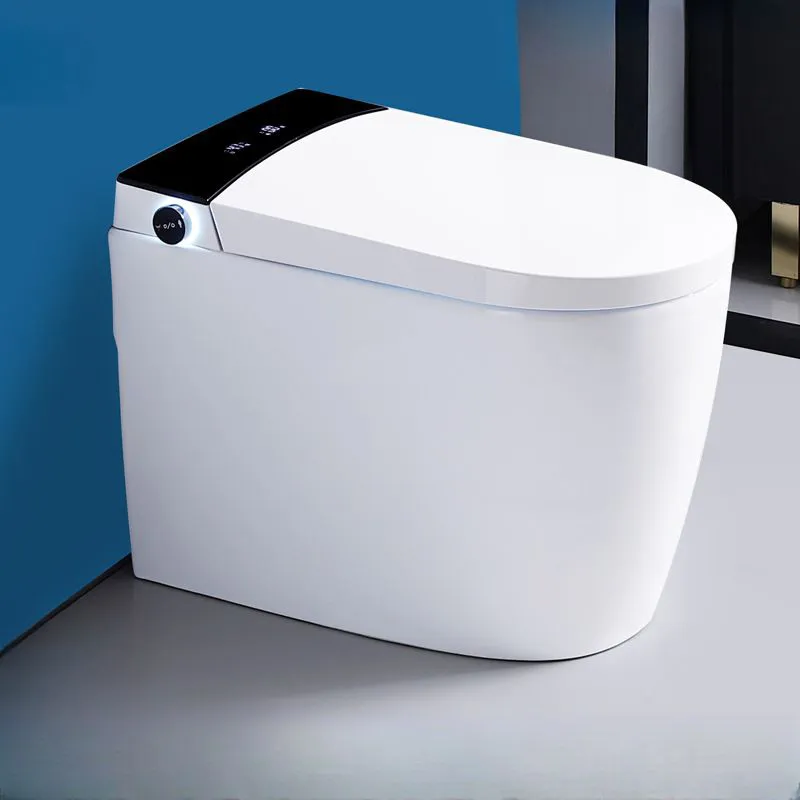
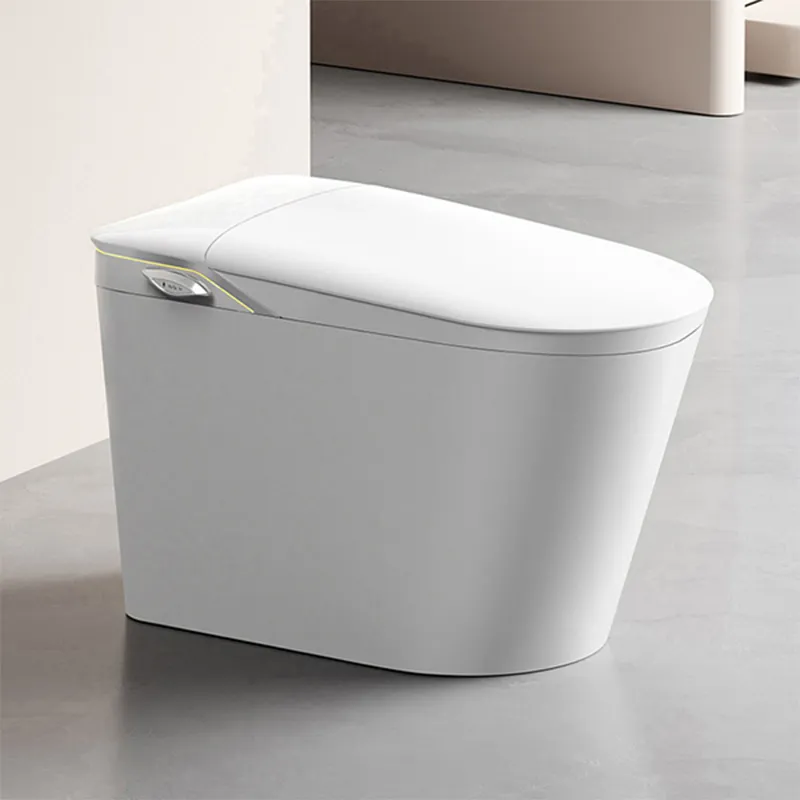
The strongest flushing toilet is not automatically the right choice for every development. Siphonic gravity jets work best in guestrooms because they operate quietly. In contrast, pressure-assisted mechanisms belong in public lobbies where preventing clogs outweighs noise concerns.
Which Toilet Specification Fits Hotels, Hospitals, and Apartments?
Applying a single toilet specification across hospitality, healthcare, and residential developments creates operational failure. Hotels suffer noise complaints, hospitals face hygiene risks, and apartment complexes endure high maintenance expenses.
Match your fixture specifications directly to sector-specific user behaviors, housekeeping routines, and building infrastructure. Hospitality demands acoustic comfort, healthcare requires stringent hygiene and accessibility, and multi-family housing prioritizes repeatable value.
What Matters Most in Hotel Projects?
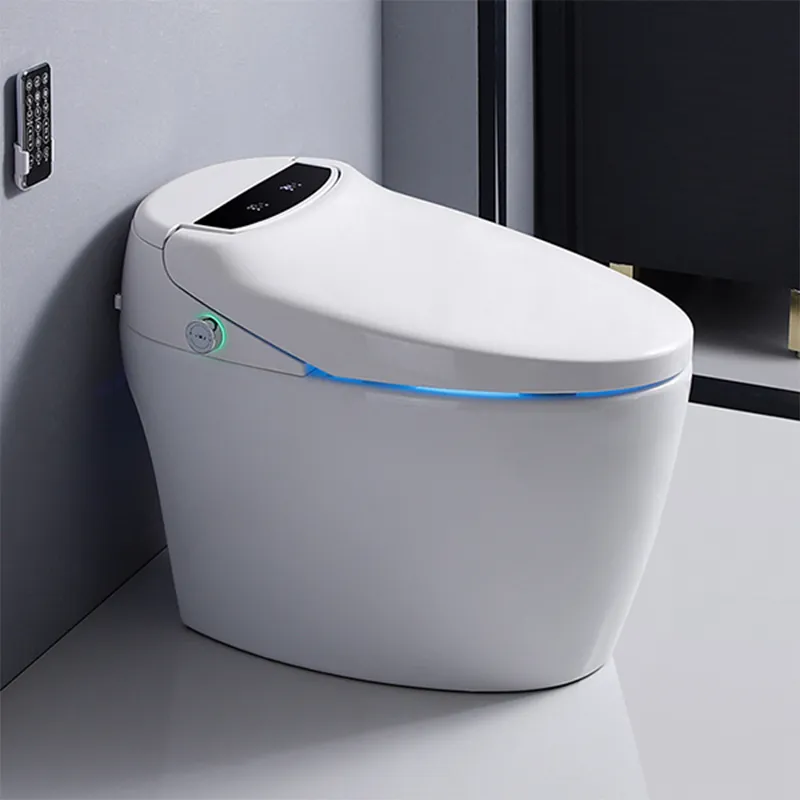
Hotel guestroom toilets must feature quiet flushing mechanisms to prevent acoustic transfer between adjoining guestrooms. Housekeeping teams need skirted traps and stain-resistant glazes for rapid room turnovers. Every fixture must maintain uniform glaze brightness across all room tiers, backed by accessible fill valves that engineering teams can service in minutes.
What Matters Most in Hospital and Healthcare Projects?
Healthcare facilities require clinical cleanability, smooth exterior surfaces, and strict physical accessibility. Best toilets for seniors and mobility-impaired patients require specified rim heights, sturdy open-front seats, and generous surrounding clearance for assisted transfers. Siphon jet bowls with antimicrobial glazes ensure complete bacterial removal under continuous, high-frequency institutional use.
What Matters Most in Multi-Unit Apartment Projects?
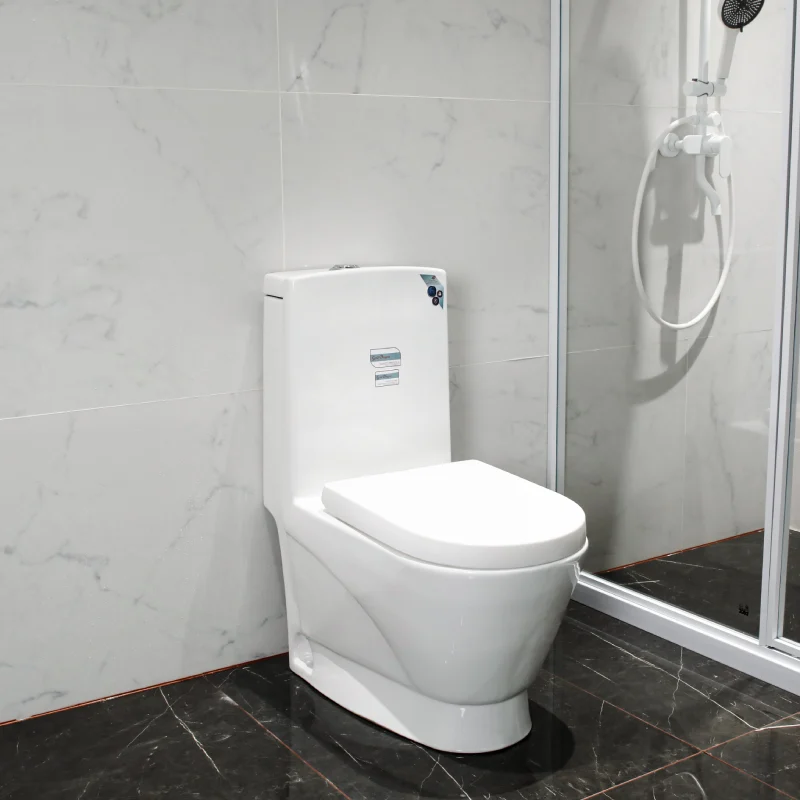
Apartment developments require the best toilet for the money based on rapid contractor installation and standardized dimensions. Developers need durable ceramic assemblies that endure tenant turnover without recurring leak service calls. Utilizing identical, non-proprietary internal flush valves across all units streamlines property management spare parts inventory.
| Building Type | Primary Specification Priority | Key Functional Requirement |
|---|---|---|
| Hotels | Acoustic control and guest comfort | Quiet siphonic flush and skirted cleanability |
| Hospitals | Infection control and accessibility | Antimicrobial glaze and compliant rim height |
| Apartments | Lifecycle durability and value | Standardized rough-in and low maintenance |
Project scale demands clear operational alignment. During a major resort renovation, our team selected quiet, skirted gravity units for standard suites, while fitting heavy-duty commercial flush valves in ground-floor public restrooms. This deliberate separation protected guest sleep quality while maintaining high-capacity waste extraction in high-traffic common areas.
How Do You Prevent Specification, Compliance, and Installation Failures?
Plumbing installation failures generate devastating project cost overruns. Incompatible rough-in dimensions, missing code certifications, and unapproved rough drafts stall inspections, void warranties, and delay building handover.
Prevent job site failures by conducting rigorous technical drawing reviews, verifying destination-specific plumbing certifications, and mandating complete on-site mock-up room approvals before releasing mass production.
Dimensions & Plumbing Interfaces
Compare your architectural drawings against the manufacturer’s technical data sheets. Confirm the exact rough-in distance, waste outlet diameter, and water inlet location. Wall-hung models require early structural coordination to match in-wall carrier bolt patterns, supply rough-ins, and clear floor-to-rim seat heights. Verify that door swings clear the bowl projection.
Compliance & Accessibility
Plumbing fixtures must carry certified listings for the project’s physical location. North American projects require verified cUPC certification and WaterSense efficiency compliance. Australian developments mandate WaterMark and WELS registration. Accessible suites demand exact compliance with ADA or local accessibility mandates regarding seat height, flush actuator location, and spatial turning clearances.
Sample & Mock-Up Approval
Never approve a bulk order without a physical sample sign-off. Install a complete production sample inside an on-site mock-up room. Plumbers must verify rough-in tolerances, flush volume, water seal depth, and seat alignment under real operating water pressure. Once the developer, contractor, and designer sign the physical unit, lock the specification.
| Verification Stage | Technical Focus | Common Failure Point |
|---|---|---|
| Interface Review | Rough-in, water inlet, outlet type | Incompatible rough-in dimension |
| Code Verification | cUPC, WaterMark, WaterSense | Missing regional certification listing |
| Mock-Up Testing | Real water pressure and drain speed | Inadequate supply volume or poor fit |
I once audited a project where the contractor ordered four hundred floor-mount toilets based solely on a catalog image. When the containers arrived, the rough-in measured 300 mm, but the cast-iron floor flanges were set at 250 mm. The contractor had to modify every single flange, delaying handover by two months.
How Should a Large Toilet Order Be Approved, QC-Checked, and Delivered?
Managing factory production across hundreds of ceramic fixtures presents immense quality risks. Inconsistent kiln temperatures, damaged glaze layers, and poor crating cause high defect rates, broken inventory, and delayed installation schedules.
Implement an end-to-end quality assurance workflow that connects initial drawing approval, in-line factory quality control, protective packaging, consolidated container loading, and scheduled job-site logistics.
Pre-Production Specification Lock

Before factory casting begins, generate a comprehensive specification sheet. Document the approved ceramic SKU, dimensional tolerances, glaze color code, flush valve brand, seat model, and packaging carton marks. This locked technical document serves as the binding quality baseline for incoming inspections, pre-shipment quality audits, and site acceptance.
Final Specifications Before Production
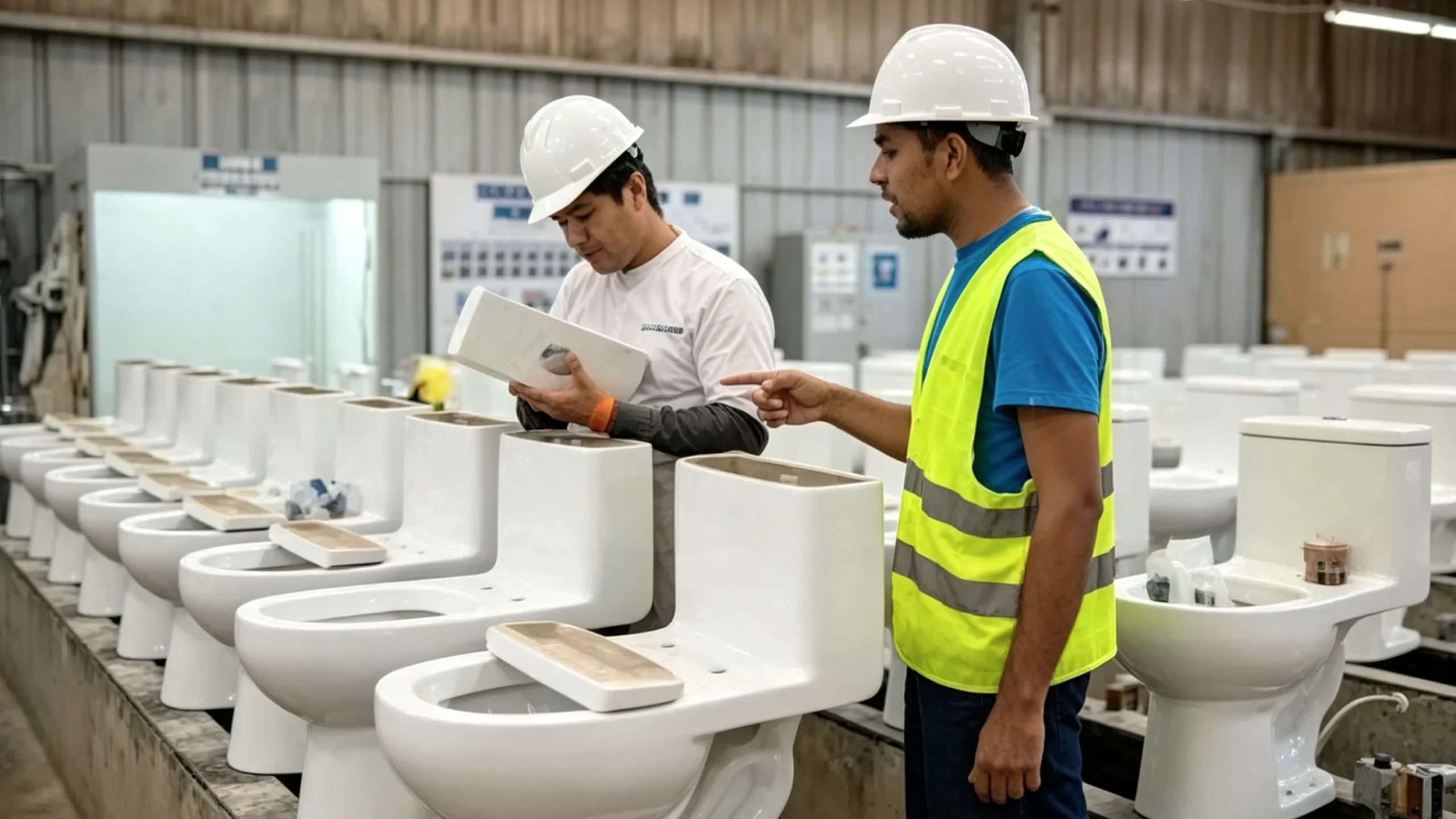
Execute a three-tier quality control process: Incoming Quality Control (IQC) for raw components, In-Process Quality Control (IPQC) during kiln firing, and Outgoing Quality Control (OQC) for finished goods. Technicians must conduct vacuum flush testing, leak tests, and dimensional audits on every batch. Pallets must feature clear floor-by-floor labeling for direct site distribution.
Sample quality does not guarantee batch uniformity unless you enforce strict production oversight. Standardizing your quality control checklists across every batch eliminates variations in glaze brightness, mounting hole spacing, and internal trapway glazing. This rigorous process ensures every fixture installs smoothly and functions flawlessly across your entire development.
What Do Buyers Ask Most Often About the Best Toilets?
Conclusion
Choosing the right project toilet requires aligning architectural drawings, regional plumbing codes, and long-term maintenance needs. Contact our project team at georgebuildshop to streamline your commercial fixture specifications.
Ready to Value-Engineer Your Project’s Bathrooms?
Whether you are developing a luxury resort, boutique hotel, or high-rise residential complex, our team provides one-stop commercial sanitary ware solutions—from architectural drawing review and custom space design to factory-direct consolidation and certified batch QC.
↓ Share your project details below to receive a customized quote & technical submittal package: