
Hi there. I’m Helen, and I’ve spent the last ten years breathing, sleeping, and—occasionally—installing bathroom fixtures in some of the most demanding hospitality projects across the globe. Over the last decade in the sanitary ware industry, I’ve walked through hundreds of hotel construction sites and stood in even more guest rooms alongside frustrated project managers.
Most of these conversations happened not with designers—but with project owners and procurement managers facing real operational pressure. If you’ve ever wondered why keeping hotel bathtubs clean feels like an uphill battle, you’re not alone. I’ve heard the same complaints from Dubai to New York. We’ve all been there: You walk into a “finished” suite, and the light hits the bathtub at just the right angle. Despite the housekeeping team’s best efforts, the tub looks… off. There’s a dullness to the floor of the basin, a stubborn ring near the drain, or streaks that simply won’t vanish.
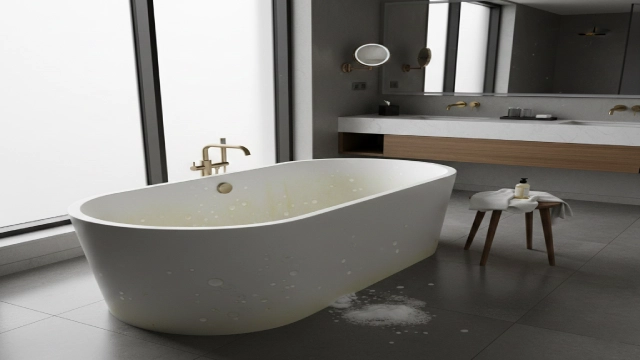
Usually, the first instinct is to call the Head of Housekeeping. “Why isn’t this clean? Do we need a different chemical? Do the staff need more training on how to clean bathtub surfaces?” In most cases, housekeeping is blamed for a problem they didn’t create.
But here is the core insight I’ve gained after ten years in the trenches: When a hotel bathtub is hard to clean, the problem is rarely the cleaning—it’s the bathtub itself. If you are a hotel project lead, you might think you have an operational issue. In reality, the problem was “locked in” during the specification phase. Once installed, this decision is extremely expensive to reverse.
Table of Contents
What Are the Real Pain Points Hotel Operators Face with Whirlpool Bathtubs?
These issues don’t show up on day one—but they compound over time, eating away at your bottom line and your brand reputation.
1. “Clean” Doesn’t Look Clean
There is nothing more frustrating than a cleaning bathtub routine that yields zero visual results. Even with proper protocols, you might find that water spots and soap scum remain visible. This lack of “visual clarity” is a top driver for guest complaints. Guests may not complain to housekeeping directly, but they will certainly mention “dirty bathrooms” in their online reviews.
Source: Are Hotel Bathtubs Clean What You Need to Know Before Your Next Stay
2. Housekeeping Effort Keeps Increasing
Time is money in hotel operations. If a standard room turnover takes 30 minutes, but the hotel bathtub requires an extra 10 minutes of intense scrubbing, your labor costs skyrocket. This is often when teams start searching for better ways for removing stubborn stains. When “normal cleaning” stops working, and your team is forced to use abrasive tools, you aren’t just losing time—you’re destroying your bathtub maintenance budget and the lifespan of your FF&E.
3. Bathtubs Age Visually Too Fast
I’ve seen $500-a-night suites where the tub looks ten years old after only three. Visually, a three-year-old tub can look like it’s been in service for a decade if the material quality is subpar. This is where poor bathtub maintenance planning shows its true cost, forcing hotels into premature and expensive renovation cycles that kill your ROI.
Why Some Hotel Bathtubs Are Naturally Hard to Clean?
To understand why your team is struggling with bathtub cleaning challenges, we have to look beneath the surface. No amount of scrubbing can compensate for these structural and material failures.
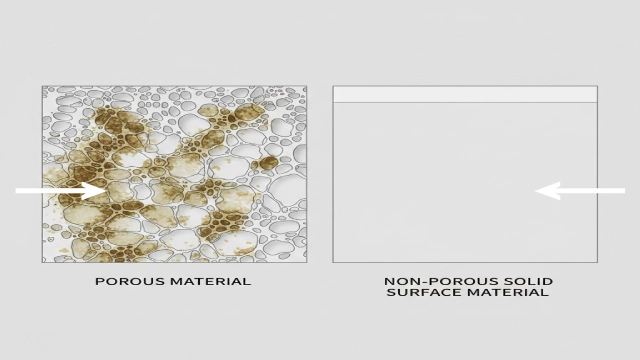
Porous Materials Trap Stains Beneath the Surface
This is the number one culprit I see in budget-grade “stone resin” or low-quality acrylics. Many people searching how to clean bathtub stains don’t realize the real issue is porosity. Cheap materials have a micro-porous structure. Think of it like skin; it has pores. When oils, bath salts, and minerals sit on the surface, they seep into the material.
If you are struggling with stain removal, the answer is often that the stain is no longer on the surface—it’s inside the tub. You cannot scrub away a stain that has migrated into the substrate. This is why choosing a non-porous hotel bathtub is the only real solution for high-traffic properties.
Matte and Dark Finishes Reduce Cleaning Tolerance
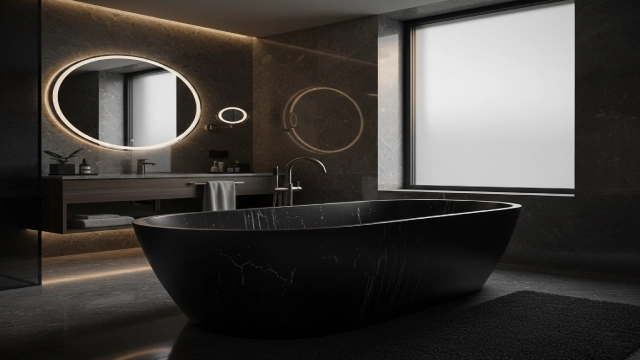
While matte black or deep grey tubs look stunning in a 3D rendering, they are often a maintenance nightmare for high-turnover hotels. These finishes have a very low “cleaning tolerance.” Every drop of hard water or smear of body oil stands out like a neon sign. These finishes aren’t “wrong,” but they are often wrong for the reality of hotel operations.
Inconsistent Surface Finishing
During my factory audits, I often check for “surface tension.” If a manufacturer doesn’t use high-precision molds, the surface becomes uneven, especially in highest-contact zones like the drain area. Have you ever noticed that a tub is easy to clean on the sides but impossible to clean near the floor? That’s a manufacturing defect. No cleaning bathtub routine can compensate for inconsistent surface finishing.
Complex Shapes and Poor Drainage Design
What works on a rendering often fails in daily operation. I love sculptural bathtubs, but sharp 90-degree internal corners are the enemies of hygiene. If you’re constantly asking how to clean bathtub corners, the design has already failed. If the floor doesn’t have a perfect “fall” toward the drain, water pools, leading to mineral buildup. Your team can’t change the laws of physics.
Materials Not Designed for Hotel-Grade Cleaning
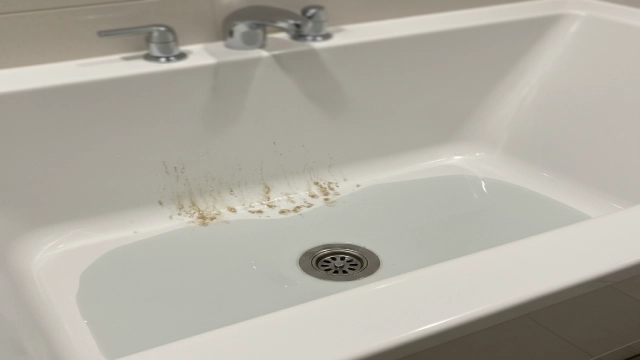
Many people searching how to clean bathtub surfaces don’t realize that daily chemical exposure accelerates surface breakdown. In a hotel, tubs are cleaned daily with industrial disinfectants. Many tubs are built for residential use and “fail” under this high-frequency exposure. The protective layer breaks down, leaving the surface “sticky” and even harder to manage.
Structural, material, and design issues make certain hotel bathtubs inherently difficult to maintain. Our pillar article explores how these recurring cleaning challenges impact hotel operations and what solutions: Why Hotel Bathtub Cleaning Problems Keep Happening (and How to Fix Them)
What Preventive Strategies Can Solve Whirlpool Bathtub Problems Upstream?
If you’re responsible for specifying hotel bathtub units, you have the power to fix these issues before the first guest checks in.
1. Choose Low-Porosity, High-Tolerance Materials
Look for high-grade solid surfaces or cross-linked acrylics. These materials are non-porous. When you’re researching how to clean bathtub surfaces effectively, the best answer is to choose a material where the dirt has nowhere to hide. At George Group, we prioritize molecular density to ensure stains stay on the surface.
2. Evaluate Finishes Based on Maintenance, Not Just Appearance
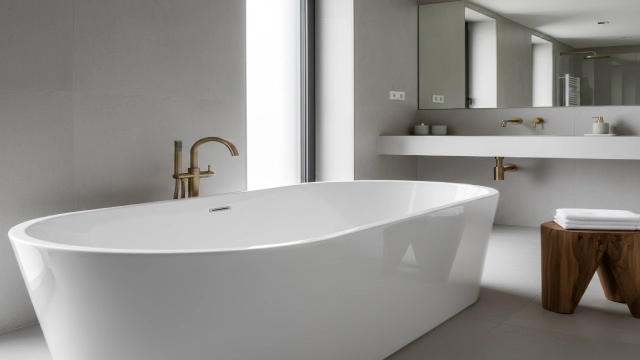
As a procurement manager, you must test the tub with a “real-world” stress test. High-gloss whites remain the gold standard for bathtub maintenance because they are the most “forgiving.” If you must go matte, ensure it is a high-performance resin that has been tested against “stain dwell time.”
3. Specify Factory-Controlled Surface Finishing
Consistency is king for your long-term hotel bathtub ROI. You want a partner who uses CNC-machined molds and automated polishing. This ensures that every tub across your 200-room property has the same surface tension, making the cleaning bathtub process predictable and fast.
4. Design for Cleaning Efficiency
To reduce the labor cost of how to clean bathtub areas, look for “R-corners”—slightly rounded internal edges. Ensure the drainage design is aggressive enough that no “micro-puddles” remain. This is the secret to low-effort, high-impact bathtub maintenance.
5. Match Materials with Real Cleaning Protocols
This is the most often ignored error. Don’t buy a tub that requires “special organic soap” if your housekeeping team uses heavy-duty bleach. Match your hotel bathtub material to your actual operational reality. Specify materials that are chemically resistant to daily hotel life.
How Should Decision-Makers Evaluate the ROI of Choosing the Right Tub?
After a decade in this industry, I’ve seen millions of dollars wasted on “fixing” cleaning protocols when the hardware was the true villain. Improving cleaning rarely fixes the problem. Improving the bathtub does.
This is why the smartest hotel teams stop asking how to clean bathtub problems—and start fixing them at the source by selecting the right manufacturer. When you choose the right product, maintenance becomes a non-issue.
Long-Term Impact on Hotel Operations and ROI
Stable Visual Quality: Your rooms look “brand new” for 8–10 years instead of 3. This saves hundreds of thousands in premature renovation costs.
Controllable Labor Costs: Reducing cleaning time by just 5 minutes per room across a 200-room hotel adds up to thousands of saved man-hours per year.
Brand Reputation & Guest Loyalty: A sparkling tub is a silent ambassador for your hotel’s hygiene standards. It drives higher ratings and repeat bookings.
Conclusion
After a decade of troubleshooting bathroom issues for global projects, my final advice is this: Don’t let your bathtub become a long-term liability. The secret to how to clean bathtub stains effortlessly isn’t found in a chemical bottle; it’s found in the density of the resin and the precision of the manufacturing mold.
At George Group, we design our hotel bathtubs specifically for high-frequency use, ensuring they withstand the rigors of industrial bathtub maintenance while keeping your housekeeping costs low. We don’t just provide a product; we provide the peace of mind that your investment will look as stunning on day 2,000 as it did on day one.
Ready to see the difference for yourself? Try my “Sharpie Stress Test” on your next site visit:
Helen’s Pro-Tip: Take a permanent marker and dot a small spot on a material sample. Wait 5 minutes. If it doesn’t wipe off completely with a simple alcohol wipe, the material is too porous and will eventually trap bathtub stains. A high-performance tub should remain impervious.
If you’re currently weighing your options for an upcoming project, I’m here to help. Send me your current bathtub specifications, and I’ll provide a professional audit to ensure your choice meets the highest standards of durability and cleaning efficiency.
Contact me at George Group today—let’s ensure your guest rooms stay sparkling for years to come.
One-Stop Bathroom Solutions for Commercial Projects
We provide integrated one-stop bathroom solutions for hotel and commercial projects, supporting coordinated specifications and project execution.
▼ Submit the form below to connect with our team and explore project cooperation. ▼