
A backed-up bathroom sink immediately creates a frustrating experience for any hotel guest. This small issue can quickly lead to big problems in service recovery and reputation. I know that learning how to unclog a bathroom sink efficiently is key for every procurement manager.
The most effective way to minimize guest impact from a clogged bathroom sink is to use a systematic, rapid-response plan, prioritizing on-site, low-noise fixes like a cup-plunger or enzymatic drain cleaner. Proactive maintenance with strainers and regular treatments is also essential for a hospitality property.
In my years in the bathroom industry, from the factory floor to leading a trading company, I learned that planning ahead solves most problems. We need to stop the disruption before it ever reaches the guest room. I will walk you through proven, focusing on durability and minimizing guest complaints.
Table of Contents
Why do clogged bathroom sinks create guest-impact issues in hotels?
When a hotel bathroom sink stops draining, it goes beyond a simple inconvenience for the user. Guests instantly feel unhappy and their whole stay is suddenly ruined. This problem costs money and risks the hotel’s valued reputation.
Clogged sinks lead to immediate guest dissatisfaction, requiring staff time and potential room moves, which raise operational costs significantly. They also introduce hygiene risks, such as standing dirty water, which can violate brand standards and negatively impact online reviews.
Source:
- https://www.facebook.com/groups/dullmensclub/posts/1689639021692632
- https://www.reddit.com/r/hotels/comments/1o5wtxf/hotel_sinks/
Clogs primarily impact guests through three key areas that procurement teams must consider. I see these areas as directly tied to the lifecycle cost and long-term business success. We need to look closely at dissatisfaction, cost, and health.
Guest Dissatisfaction and Negative Reviews
A non-working sink is a huge functional failure that guests notice right away. I have seen how quickly one small clog turns into a bad online review on sites like TripAdvisor. Negative feedback hurts the brand and discourages future bookings.
High Operational and Service Recovery Costs
Addressing a clog requires housekeeping or maintenance staff to stop other duties. If the issue needs a guest relocation, the hotel loses revenue on the original room and must compensate the guest for the inconvenience. This is an unnecessary cost.
Health and Hygiene Risks from Standing Water
Standing water in a sink or bathtub is not just annoying; it is unsanitary and a health risk. This stagnant water can breed bacteria and even cause a noticeable bad smell. Emma needs to maintain high standards to keep the hotel safe.
My time at the factory showed me that the initial quality of the drain system dictates long-term performance. I know that cheap, weak components fail faster and cause these headaches for guests. Procurement decisions must balance low up-front cost with the high risk of in-service failure. Emma understands that durability reduces the need for constant maintenance and prevents these service failures that hurt the guest experience.
How can housekeeping unclog a bathroom sink with standing water without disturbing guests?
Seeing a sink full of standing water is a common and stressful maintenance call for housekeeping. You must fix the issue now, but you cannot use loud tools or harsh, smelly chemicals near occupied rooms. We need a quiet and effective action plan.
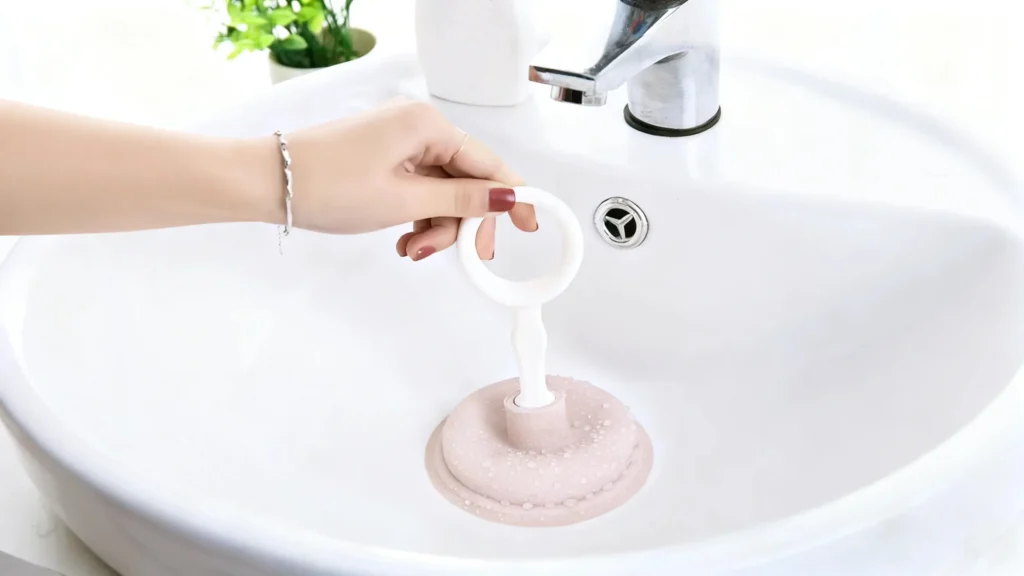
To unclog a bathroom sink with standing water quietly, staff should first try a small cup-plunger before resorting to chemical options. The plunger creates a strong, focused vacuum that often removes the blockage without loud pipe noises or strong fumes that disturb guests nearby.
Source:
- https://www.reddit.com/r/Frugal/comments/1273rcv/to_unclog_my_bathroom_sink_i_need_to_remove_the/
- https://www.youtube.com/watch?v=Hzt4bqVZp64
The key is to start with simple, non-invasive methods that reduce noise and chemical odors. We can move from mechanical solutions to gentle, natural cleansers before calling a plumber. I know that Emma needs solutions that minimize disruption.
The Low-Noise Plunger Technique
Use a small rubber cup-plunger to cover the entire drain opening completely. Fill the sink with just enough water to submerge the plunger’s cup. Push and pull sharply for about five to ten cycles. This pressure often breaks up or pulls out the main blockage.
Baking Soda and Vinegar for Gentle Cleaning
This method is nearly silent and uses common pantry items. Pour half a cup of baking soda down the clogged bathroom sink drain, then follow it with an equal amount of vinegar. The mixture will foam up and can help loosen soft, greasy blockages.
Enzymatic Drain Cleaners
These special cleaners use natural bacteria to eat away at organic material like soap scum and hair. They work slowly overnight, but they are quiet and odorless, making them perfect for rooms that are temporarily unoccupied or for a preventative clean.
I remember talking to a hotel owner who was upset because a maintenance worker used a loud drain snake and woke up the guest next door. The guest complained and demanded a free stay. This taught me that the method of clearing the clog is just as important as the speed. For water that is standing still, a small plunger is the best way to unclog a bathroom sink initially because it is quick and quiet. We must always protect the guest experience.
What is the best way to unclog a bathroom sink clogged with hair in hotel rooms?
Hair is the number one enemy of hotel bathroom drains; it wraps around the stopper mechanism and traps soap scum, causing the whole thing to slow down. This hair-clogging problem is unavoidable, but the correct tool makes it easy to fix fast.
The best way to unclog a bathroom sink that is clogged with hair is to physically remove the blockage using a plastic drain snake or a simple pair of tweezers after removing the sink stopper. Chemical drain openers are often less effective against dense hair than mechanical removal.
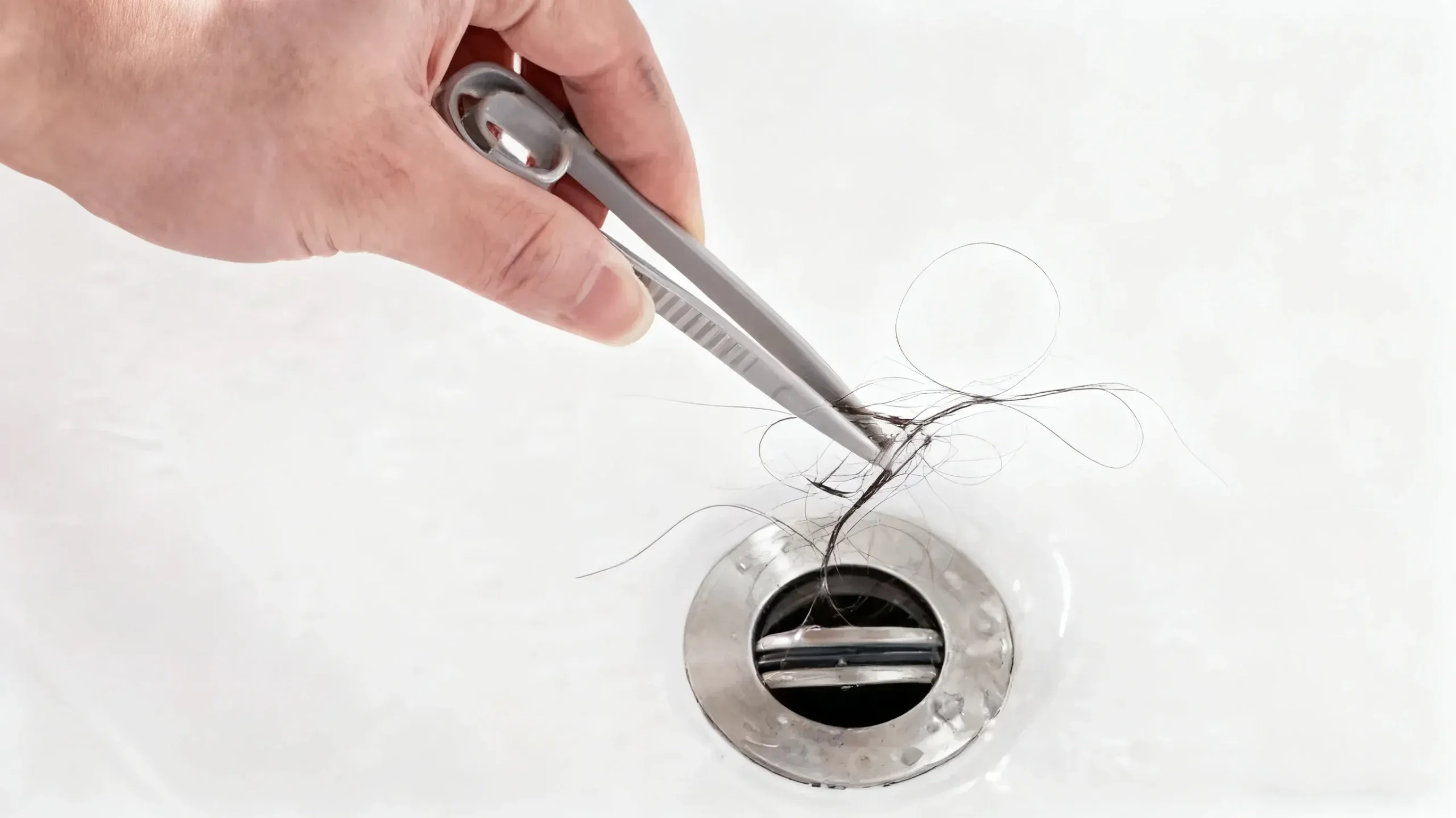
Hair clogs require a hands-on approach. We need to physically pull the hair out to fully solve the problem, not just push it further down the pipe. I will explain the two most effective, low-cost tools for this common job.
Using a Plastic Drain Snake Tool
A plastic drain snake is a long, flexible tool with small hooks along the edge. You push it down the drain and turn it gently. The hooks grab onto the hair and pull it back out easily. These tools are cheap, disposable, and very effective.
The Hook or Tweezers Method
Many hotel sinks have a removable pop-up stopper or a simple grid. Once you remove the stopper, you can use long tweezers or a bent wire coat hanger. This lets you reach in and physically pull out any hair that is wrapped around the pivot rod or visible near the opening.
📉 Cut Housekeeping Maintenance Time by 30%
Standard residential drains fail in hotels. Our custom hotel vanities feature easy-access plumbing and anti-clog pop-up drains designed specifically for high-traffic hospitality projects.
Explore Low-Maintenance Vanities →The Wet Vacuum Solution
For a very stubborn clog, a small wet/dry vacuum cleaner can sometimes suck the hair blockage right out of the drain. This method is fast but can be loud, so staff must coordinate with the front desk to avoid disturbing nearby rooms.
| Method | Primary Clog Type | Speed | Guest Impact (Noise/Odor) |
|---|---|---|---|
| Plastic Drain Snake | Hair, Minor Sludge | Fast | Low (Mechanical) |
| Baking Soda/Vinegar | Soap Scum, Grease | Slow (Overnight) | Very Low (Odorless) |
| Plunger/Force Cup | General Blockage | Fast | Low (Quick action) |
When I was setting up my trading company, a major hotel client emphasized that their staff must be trained to disassemble and reassemble the stopper correctly. If they do not know how to remove the stopper, they cannot reach the hair. This step is a basic, essential maintenance skill. If the staff can easily remove the hair, it is the quickest, most direct fix. This focus on easy maintenance perfectly aligns with Emma’s goal to minimize in-service failures and lower lifecycle costs.
How can staff unclog a bathroom sink drain fast enough to avoid guest complaints?
The speed of the response is the key factor that determines whether a small problem escalates into a major guest complaint. When a guest calls about a slow drain, time is truly against the hotel team. We need a procedure for the fastest possible fix.
To unclog a bathroom sink drain fast enough to prevent complaints, staff must use a two-minute triage system. They should first attempt a powerful suction cup-plunger. If this fails, the staff must immediately contact maintenance for a quick snake and offer the guest a room change.
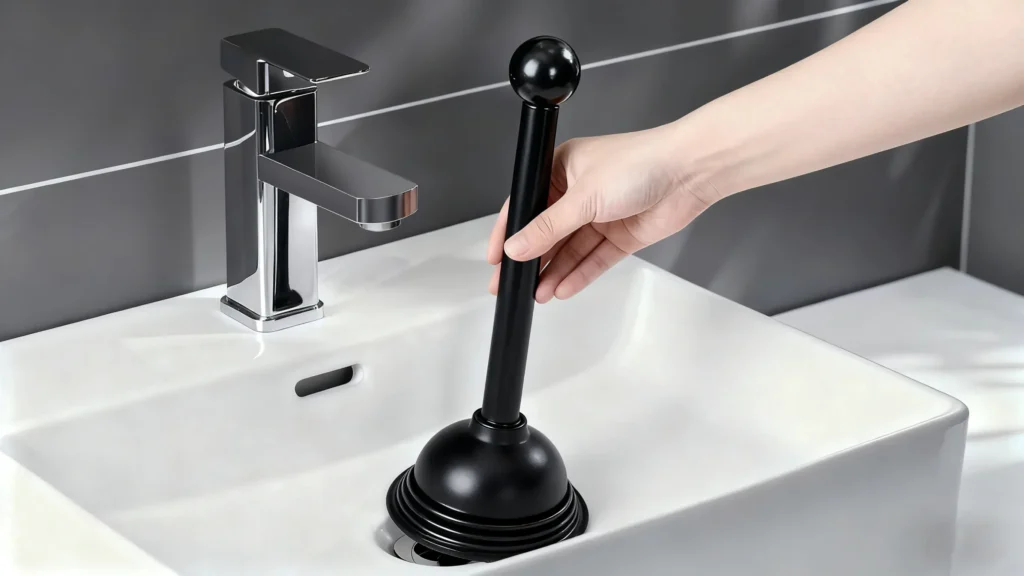
I suggest adopting a timed response procedure. This approach ensures that the staff acts decisively, which is exactly what the guest expects to see when they report a problem. Decisive action is always better than slow, tentative steps.
The Two-Minute Triage Rule
Staff must be trained to use the most effective tool—the plunger—within two minutes of entering the room. If the drain is not clear after two minutes of using the plunger, they must stop. This prevents frustrating the guest with a prolonged, unsuccessful effort.
Immediate Guest Communication and Relocation
If the quick fix does not work, the staff must immediately apologize for the inconvenience and offer a new room. Even if the guest declines the offer, the hotel has demonstrated excellent service. This action turns a negative event into a service opportunity.
Project Snapshot: Resort Upgrade, Maldives
- ⚠️ Pain Point: High humidity and sand caused frequent drain clogs, leading to bad reviews.
- 🛠️ Solution: George Group installed custom easy-access trap vanities and pop-up drains for 150 villas.
- ✅ Result: Emergency plumbing calls dropped by 85% in the first quarter.
Designated Emergency Maintenance Kit
Each housekeeping cart should carry a small, designated kit with a plunger, a small plastic drain snake, and a small amount of enzymatic cleaner. Having the right tools ready to go saves valuable time from walking to the main supply closet.
The difference between a simple service request and a formal complaint often comes down to the hotel’s attitude. My experience taught me that guests value a clear, fast response more than anything else. Emma’s focus on timely delivery must also apply to in-house service. When staff knows exactly what to do and when to escalate the situation, the hotel controls the narrative. This professional, fast response minimizes the chance of a bad review, safeguarding the hotel’s long-term reputation.
Which products help quickly unclog slow-draining bathroom sinks in hospitality properties?
A slow draining bathroom sink may seem like a minor issue, but it signals a blockage is forming deep in the plumbing. Ignoring this problem will guarantee a complete, catastrophic clog soon. We need the right non-corrosive products to address this early warning sign.
The most effective unclog bathroom sink products for slow drains are concentrated enzymatic or biological cleaners. These products slowly eat away at the organic buildup causing the issue. They are safe for all pipes and drain materials, which is crucial for long-term hotel maintenance.
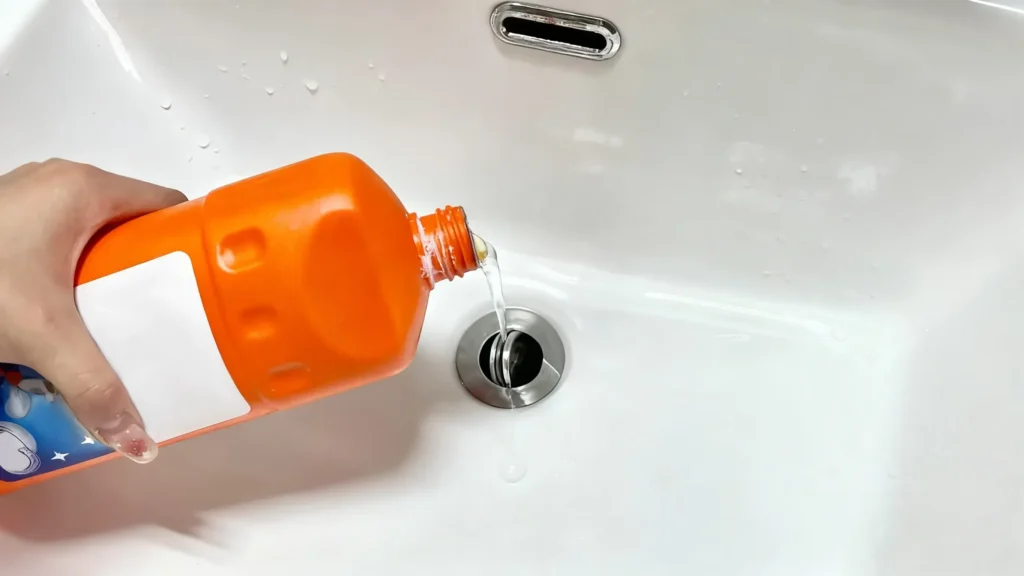
We need to choose products that are effective but also gentle on hotel plumbing. Harsh chemical drain openers are too risky; they can damage the pipes and pose a health risk to staff. My recommendation is to focus on enzymatic and natural products.
Enzymatic and Bio-Active Drain Openers
These cleaners use non-pathogenic bacteria and enzymes to break down hair, soap scum, and grease over several hours. They are ideal for preventative treatment or for clearing a slow draining bathroom sink. They work best when applied just before a room will be empty for a while.
High-Grade Plungers and Drain Snakes
While not a liquid product, a high-quality, professional-grade cup-plunger is essential. For the maintenance team, having a sturdy snake can save time and money on a plumber. These physical tools remain the most immediate and effective unclog bathroom sink solution.
Natural Solutions like Citric Acid
For very light clogs or for freshening the pipes, a solution of hot water and citric acid powder is a safe option. This helps break up mineral deposits from hard water without introducing harsh chemicals. It is a cost-effective, daily-use solution.
| Product Type | Primary Action | Use Case in Hotels | Best for Emma's Team |
|---|---|---|---|
| Enzymatic Cleaner | Bio-Degradation | Slow Drains, Prevention | Low Risk, High Safety |
| Caustic Cleaner | Chemical Dissolution | Last Resort/Heavy Duty | High Risk, Avoid |
| Plastic Drain Snake | Mechanical Removal | Hair Clogs (Immediate) | Fast, Low Maintenance Cost |
When I began sourcing bathroom components, I learned that pipe material matters greatly for maintenance. A caustic chemical can easily corrode old metal pipes, leading to a much more expensive repair than a simple clog. Emma’s team must protect the long-term integrity of the hotel’s infrastructure. Choosing an enzymatic cleaner is not just about clearing a blockage; it is a vital part of protecting the overall lifespan and durability of the entire plumbing system. This is a smart investment that reduces lifecycle costs.
What’s the best way to unclog a bathroom sink in occupied hotel rooms?
Trying to fix a drain issue in a room where the guest is present is the ultimate challenge for hotel staff. You are working under pressure and cannot make a mess, produce bad odors, or make any loud noise. We must find the least disruptive process.
The best way to unclog a bathroom sink in an occupied room is to politely ask the guest to step out for a few minutes and use a silent, small-cup plunger with a drop cloth. Staff must avoid harsh chemicals entirely and prioritize the guest’s peace and comfort above all else.
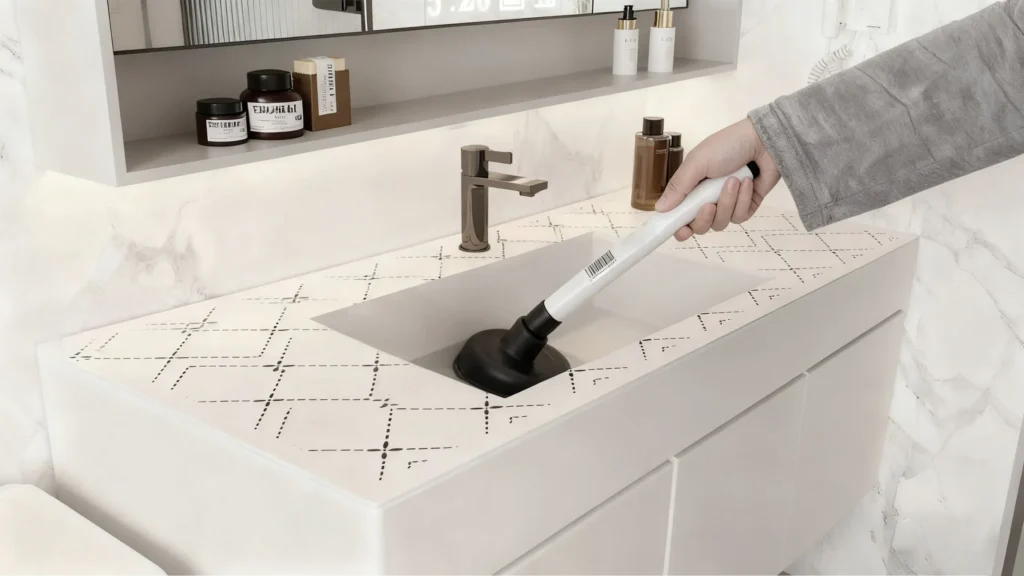
When a room is occupied, the solution must prioritize guest comfort and safety over speed. This is a moment for high-touch service and clear communication, not for using loud equipment. I believe in making the process invisible to the guest.
Communication is the First Step
Staff should clearly explain the brief process and set a time limit, such as five minutes, before entering the room. They must ask permission to work and apologize for the slight inconvenience. This simple respect goes a long way toward avoiding a complaint.
Mechanical Over Chemical Solutions
Only use a simple plunger or a plastic snake. These tools do not produce any smell or residue that needs extensive cleaning. Staff must place a towel or a small drop cloth around the sink to contain any splashed water or mess completely.
Final Inspection and Apology
Before leaving the room, the staff must check the drain with running water and dry the area thoroughly. A final, sincere apology and a small gesture of goodwill can help turn a difficult moment into a positive service memory.
My goal at georgebuildshop is always to help our clients achieve financial independence, which means focusing on the details that improve their bottom line. In a hotel, guest satisfaction directly impacts that bottom line. The staff must handle the guest, not just the sink. By quickly and quietly solving a small problem in the guest’s presence, the hotel shows its commitment to service. This excellent performance reduces the chance of a negative review. Emma needs protocols that ensure this consistent, high-touch level of service is delivered every time.
How can hotels prevent future clogs and minimize guest impact?
Solving clogs quickly is good, but preventing them entirely is much better for the guest experience and hotel budget. Clog prevention is always more cost-effective than constant, emergency maintenance work. I have seen the long-term benefit of a proactive approach.
Hotels prevent future clogs by installing mesh or basket strainers inside the sink drain to catch hair and debris before they enter the pipe. Implementing a monthly schedule for applying enzymatic cleaners across all rooms is also critical for long-term protection and drain health.
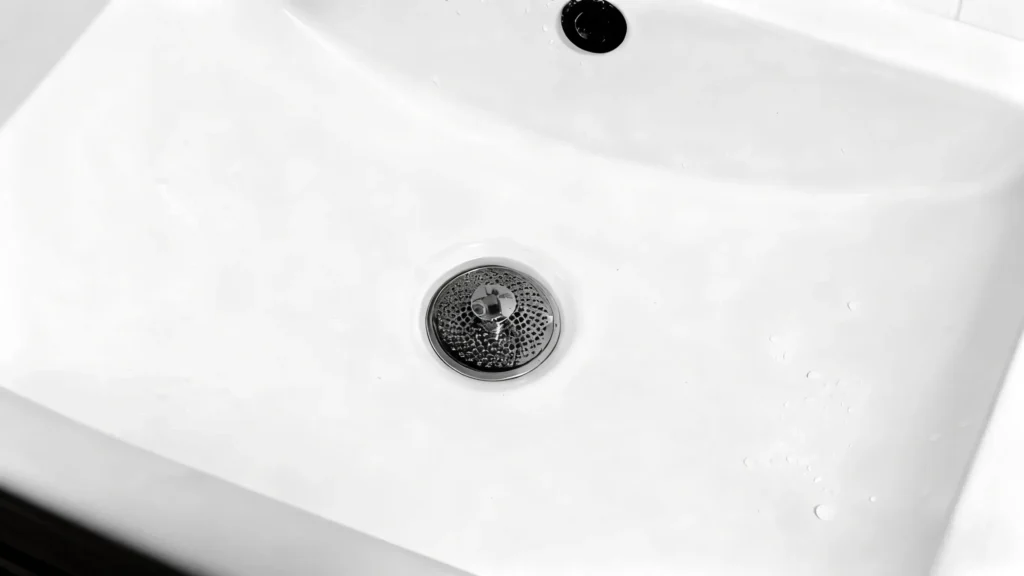
Prevention starts with the right hardware and continues with a strict, low-cost maintenance schedule. The initial procurement decision can save thousands of dollars over the fixture’s lifespan. I recommend focusing on strainers and a regular cleaning protocol.
Install Simple Clog-Resistant Strainers
These small, inexpensive mesh screens fit right into the drain opening and stop hair before it can reach the trap below the sink. Staff can easily clean them during the daily room service. This simple, durable hardware is a great way to meet brand standards.
Reduce maintenance? Shop Vanities. View Collection →
Monthly Enzymatic Treatment Schedule
The hotel should treat every sink drain once a month with a high-quality enzymatic cleaner, especially in rooms with heavy use. This regular treatment helps to keep the pipes clear of soap scum and greasy build-up, preventing the formation of a clogged bathroom sink.
Staff Training on Waste Disposal
Staff must understand that guests cannot put non-flushable items or food down the sink. They should place clear, polite signage in the bathroom to gently educate guests. Good user habits are the cheapest form of long-term clog prevention.
In the molding industry, we always talk about designing for easy maintenance. Emma should look for suppliers who provide sinks with easily removable stoppers or simple pipe connections. Procurement should focus on fixtures that make staff access to the trap simple and fast. This design focus is a perfect example of prioritizing durability and easy onsite maintenance right from the start. A good design makes it simple for staff to perform the best way to unclog a bathroom sink without needing an outside plumber.
Conclusion
Minimizing guest impact from a clog requires fast action, the right tools, and smart prevention. I believe these methods protect your reputation and budget. Contact georgebuildshop to learn more about durable bathroom fixtures for your project.
Build It Right, The First Time.
Don't let plumbing failures damage your hotel's reputation. Whether you need a custom bathroom design or a bulk supply of high-performance fixtures, our engineering team is ready to help.
Fill out the form below for a free project consultation and quote within 24 hours.