
When bathroom fit-out costs spiral out of control, many Australian hotels face unexpected delays, compliance headaches, and budget overruns before construction even begins. I’ve seen projects waste tens of thousands because tubs arrive late, damage easily, or require costly rework. The solution is planning early, choosing durable materials, and coordinating installation from day one.
Australian hotels can reduce bath‑fitout costs by standardising bathtub specifications, selecting durable commercial‑grade materials, and enforcing installation protocols. This approach reduces waste and protects long‑term guest satisfaction.
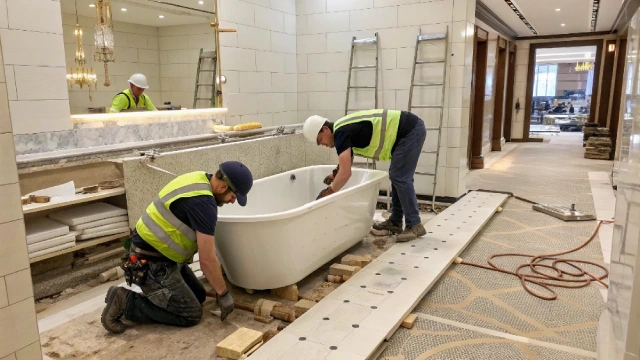
Many hotel teams try to save money late in the project. I learned this rarely works. Real savings happen early, when design, procurement, and installation planning still move together.
Table of Contents
Why do hotels overspend on bath-fitout without noticing?
When I worked with my first Australian hotel client years ago, the project looked perfect on paper. But they still overspent 18% on bathrooms. They did not choose the wrong products. They chose them at the wrong time.
Hotels overspend because unseen risks—wrong measurements, late substitutions, and unrealistic material choices—push budgets up during construction. Clear early rules stop these surprises.
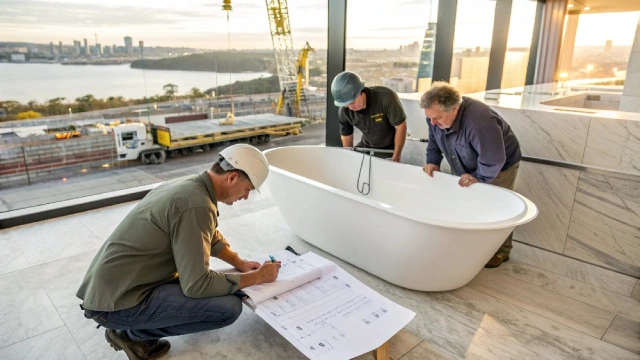
The hidden drivers behind cost blowouts
In my work with developers, quantity surveyors, and procurement teams, I see the same three problems repeat across Australia:
Recommended Tub Types by Room Category
| Room Type | Tub Type | Reason |
|---|---|---|
| Luxury | Acrylic freestanding | Guest comfort and brand experience |
| Standard | Lightweight composite | Pod fit and weight control |
| Accessible | Walk-in tub | Safety and compliance |
These risks appear small, but they compound fast. In one 5-star resort project in Queensland, the wrong tub dimensions repeated across 42 rooms because the project assumed all manufacturers used the same standards. The team spent weeks cutting tiles and modifying frames. The labour cost alone exceeded the price of the tubs.
How can hotels choose the right bathtub without raising project cost?
Many clients ask me this first. They want durability, beauty, and compliance. They also want a predictable cost. They assume they must choose one and give up the rest.
Hotels can balance cost and quality by standardising a core tub model, choosing commercial-grade materials, and confirming installation tolerances early with builders. This prevents redesigns and keeps procurement simple.
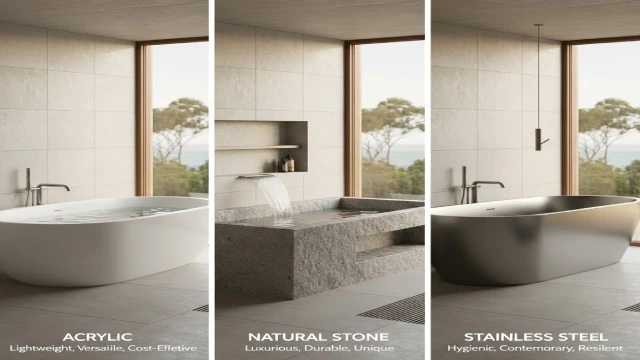
The three factors that decide true bathtub cost
From my ten years of work across Australian hotels, I found that price tags rarely show the real expense. The long-term cost comes from three things:
1. Durability under heavy turnover
Hotels face 300–900 guest uses per month. Not all tubs survive that pressure. Commercial-grade acrylic and engineered stone perform the best. They resist scratches and hold form under weight. One client in Sydney cut replacement rates by 62% after switching to reinforced acrylic tubs.
2. Fit-for-installation
A bathtub that looks perfect in a catalogue can fail on-site. Incorrect waste positions, wrong platform height, or tight clearances increase labour cost. I always ask builders to check tolerances early. This step avoids late “fix work” that drains budgets.
3. Long-term supply and after-service
Hotels need spare parts for years. If a brand cannot guarantee continuity, the procurement team risks buying mismatched replacements. I helped one Melbourne hotel choose a supplier with a 10-year continuity commitment. They avoided future stock-out costs.
How can procurement teams avoid design mistakes that lead to rework?
Most teams trust drawings. But bathroom drawings change many times before construction begins. Each small change creates new risks.
Procurement teams can avoid rework by locking final bathtub specifications before flooring and plumbing drawings close, and by verifying onsite conditions with a single technical checklist.
(See procurement best practice: Hospitality Hub)
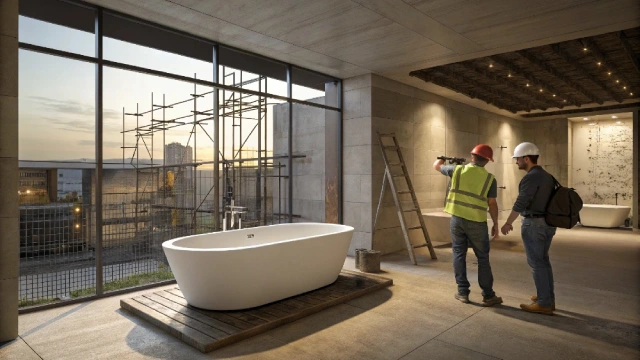
The system I use with all B2B clients to prevent rework
I use a simple but strict process with developers and builders:
Step 1: Lock specifications early
Everyone signs off on tub size, waste position, platform width, and delivery method.
Step 2: Confirm real onsite dimensions
Design drawings do not always match built conditions. A quick site measure early prevents cost blowouts later.
Step 3: One-page tolerance checklist
This includes:
- Minimum clearance
- Waste alignment
- Frame support strength
- Waterproofing compatibility
- Tile overhang
This checklist prevents 90% of installation mistakes. When I introduced it to a Perth multi-residential project, they avoided an estimated AUD 48,000 of tile and framing rework. (Average renovation cost reference: Switch Hotel Solutions)
How do hotels manage logistics and installation without wasting labour?
Labour is one of the biggest hidden costs. When tubs arrive late or damaged, everything stops.
Hotels can cut installation waste by planning delivery windows early, choosing pallet-safe packaging, and confirming crane access and room sequencing. This keeps workflow steady and labour cost predictable.
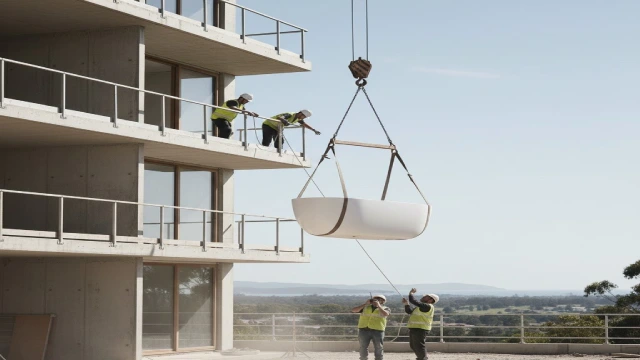
Why installation timing matters more than tub price
In one project in Brisbane, tubs sat onsite for two months. Some cracked. Some were lost. Two were scratched by other subcontractors. The tubs were not the issue — the staging plan was.
Key factors that control logistics cost:
Delivery & Site Risk Prevention
| Factor | What Goes Wrong | How to Prevent It |
|---|---|---|
| Delivery timing | Arrives too early or too late | Link delivery window to framing schedule |
| Packaging quality | Damage during crane lift | Use rigid base, corner guards, and foam |
| Site sequencing | Tubs placed before wall framing | Deliver floor by floor, not all at once |
| Storage conditions | Outdoors or uneven ground | Store only indoors on stable pallets |
When logistics flow well, even medium-priced tubs behave like high-end products because they reach installation undamaged.
FAQ
- What bathtub material lasts longest in hotels?
Reinforced acrylic and engineered stone last the longest because they resist scratches, thermal shock, and high turnover. - How early should hotels lock bathtub specifications?
Lock them before final plumbing, framing, and tiling drawings close to avoid redesign costs. - How do I know a bathtub is commercial-grade?
Check structural reinforcement, thickness, slip rating, heat resistance, and test reports suitable for heavy use. - How can procurement teams prevent installation delays?
Use a one-page technical tolerance checklist and confirm onsite measurements early. - What causes most bathtub installation rework?
Mismatched dimensions, wrong waste alignment, and tubs chosen without considering onsite conditions.
Conclusion
Planning early, standardising wisely, and verifying onsite conditions save hotels far more than late-stage cost cutting.
If you want support choosing commercial-grade, compliant, and durable bathtubs for your next Australian hotel or multi-residential project, I’m here to help. With ten years of field experience, I help developers, builders, and procurement teams avoid design mistakes and prevent installation delays. Contact us and let’s build bathrooms that last.
For a complete framework on preventing costly bathtub issues before construction even starts, explore our full guide How Can Your Hotel Avoid Costly Bathtub Problems Before Construction Even Begins?
One-Stop Bathroom Solutions for Commercial Projects
We provide integrated one-stop bathroom solutions for hotel and commercial projects, supporting coordinated specifications and project execution.
▼ Submit the form below to connect with our team and explore project cooperation. ▼