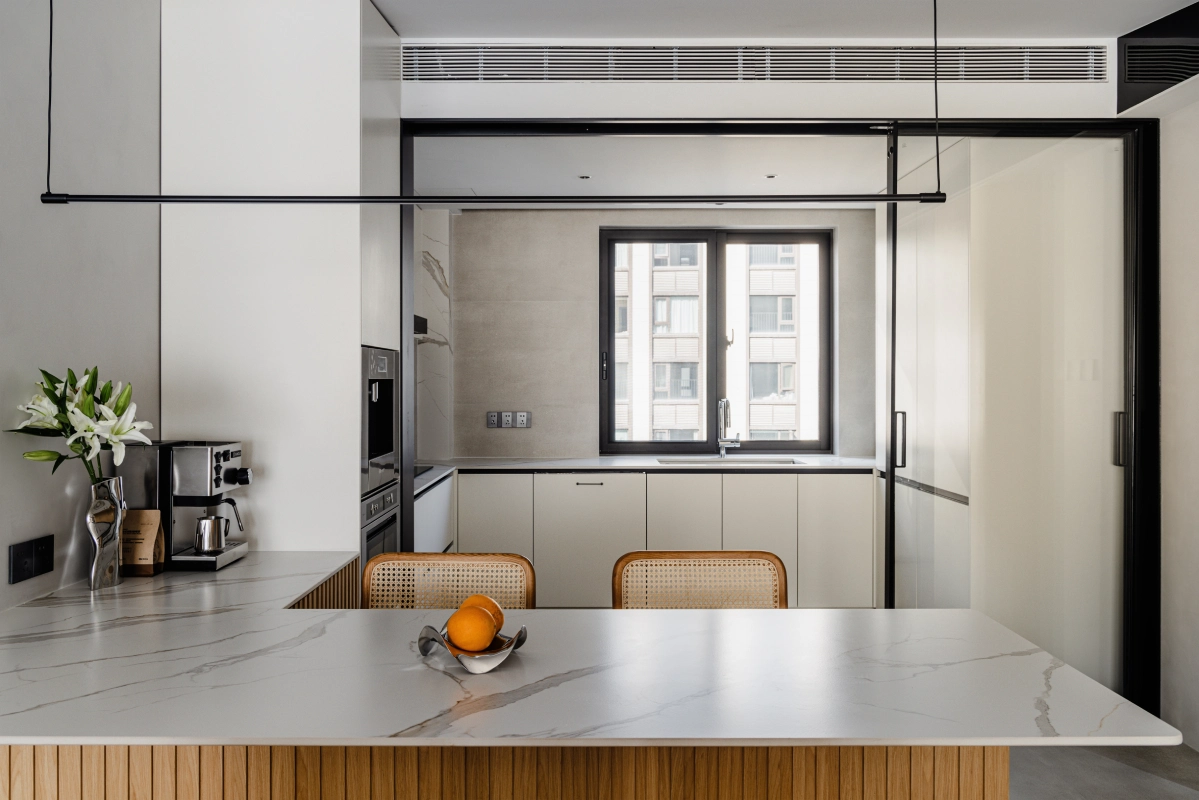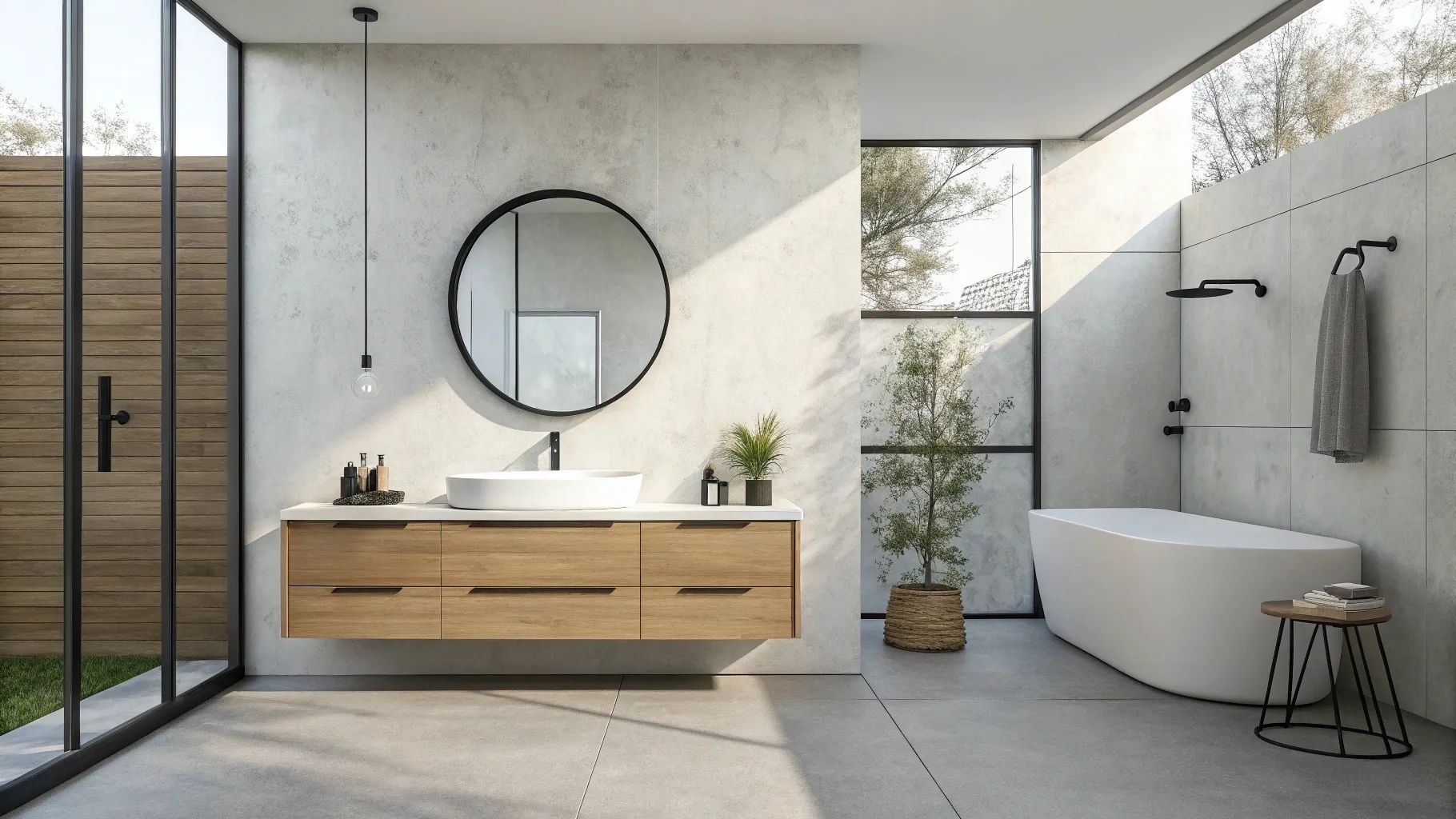

Hotel and resort buyers face the same challenge every season: balancing beauty with practicality when choosing bathroom sinks.
Wall-hung and undermount sinks are the most commonly chosen for projects because they combine durability, easy maintenance, and a sleek, space-efficient look that fits high-traffic bathrooms.
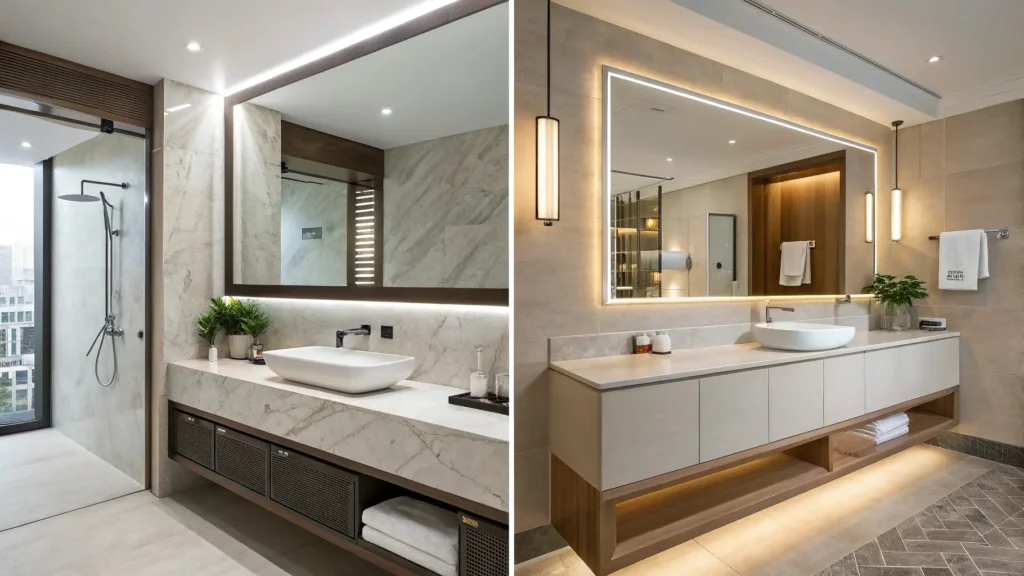
A good bathroom sink decision can save hours of housekeeping and years of maintenance headaches. I’ve seen how the right design choice keeps rooms cleaner and guests happier—especially in hotels that must deliver consistent, high-end experiences every day.
Table of Contents
What are the types of bathroom sinks?
Even with many design trends, only a few sink types truly fit project-level standards.
The main types of bathroom sinks are undermount, wall-hung, drop-in, vessel, pedestal, and integrated sinks. Each offers a unique balance of space, maintenance, and visual impact.
Undermount Sink
Undermount sinks sit beneath the countertop. Their rimless edge allows for quick wipe-downs, reducing trapped dirt. They create a clean, seamless look that works well in marble or solid-surface vanities.
Wall-Hung Sink
Wall-hung sinks mount directly to the wall, freeing up floor space. This makes them ideal for small rooms or high-traffic bathrooms that need easy mopping access. They also fit ADA-compliant layouts.
Drop-In Sink
Drop-in sinks rest on top of the counter, with the rim visible. They’re simple to install and replace but require regular rim cleaning, which may increase maintenance time in hotel settings.
Vessel Sink
Vessel sinks sit entirely above the counter. They offer a dramatic look for design-forward spaces but are often seen as impractical for frequent cleaning or guest use.
Pedestal Sink
Pedestal sinks have a stand-alone base and basin. They save space visually but offer no storage, which limits their use in hospitality projects.
Integrated Sink
Integrated sinks are molded as part of the countertop. This style eliminates seams entirely, offering both easy cleaning and a sleek, continuous look.
| Sink Type | Installation | Main Advantage | Main Limitation |
|---|---|---|---|
| Undermount | Under counter | Easy cleaning, modern look | Higher installation cost |
| Wall-Hung | Mounted on wall | Space-saving, easy floor cleaning | Needs strong wall support |
| Drop-In | Above counter | Simple installation | Rim traps dirt |
| Vessel | Above counter | Decorative style | Prone to splashing |
| Pedestal | Freestanding | Compact appearance | No storage |
| Integrated | Built-in | Seamless, hygienic | Hard to replace |
Professional Support for Projects
Get Free Custom Design SpecsIn my years handling hotel supply contracts, wall-hung and undermount sinks consistently top the list. Both are easy to clean and meet safety standards, especially when paired with nonporous solid surfaces.
What is the best sink material for a bathroom?
Many buyers think design comes first, but material determines performance over time.
The best sink materials for bathrooms are solid surface, ceramic, and vitreous china, because they resist stains, moisture, and daily cleaning chemicals.

Solid Surface
Solid surface sinks offer a premium, stone-like look with nonporous durability. They resist scratches and can be refinished easily, extending their service life in hotels.
Ceramic
Ceramic sinks remain a popular classic. They are affordable, durable, and resistant to heat and moisture, though they can chip under heavy impact.
Vitreous China
Vitreous china adds a glossy coating to ceramic, creating extra shine and resilience. This finish enhances both visual appeal and hygiene.
| Material | Durability | Maintenance | Common Usage |
|---|---|---|---|
| Solid Surface | High | Easy | Hotels, resorts |
| Ceramic | Medium | Easy | Residential, standard rooms |
| Vitreous China | High | Low | Luxury suites |
When buyers weigh long-term ROI, solid surface often wins. It balances upfront cost with longevity, and its seamless integration prevents water damage or mold growth.
What is the most popular bathroom sink shape?
Form and function go hand in hand.
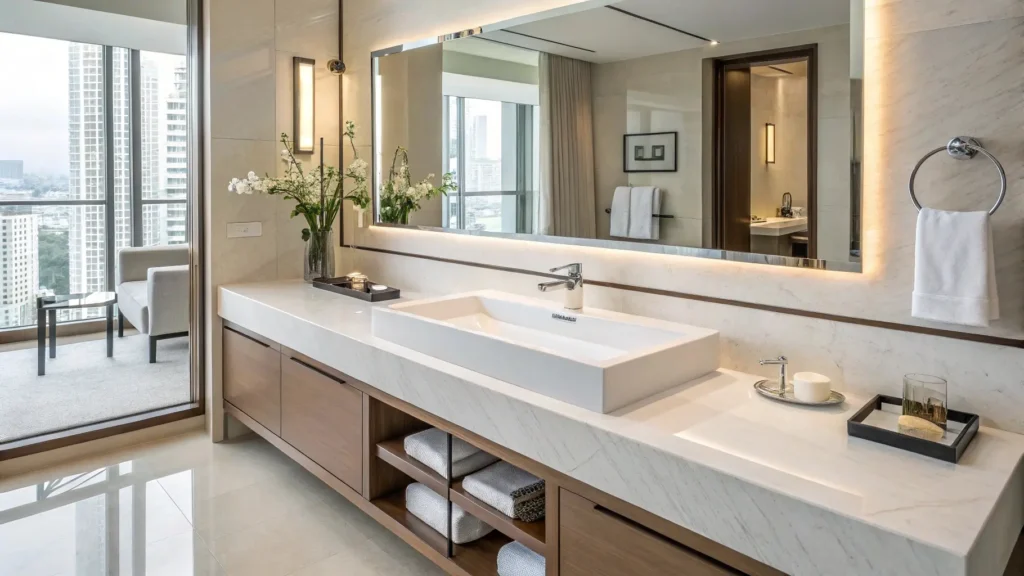
Rectangular sinks are the most popular because they maximize counter space and align with modern, minimal designs used in hotels and apartments.
Rectangular Sink
This shape fits easily into vanities and complements clean architectural lines. It’s practical and looks balanced in double-vanity setups.
Round Sink
Round sinks are timeless and soft-looking, perfect for single vanities but less efficient in compact layouts.
Oval Sink
Oval sinks blend traditional and modern looks. They are comfortable for handwashing but may feel outdated in luxury projects.
Rectangular sinks also simplify plumbing alignment and make countertops feel less cluttered—key details procurement teams appreciate when designing high-volume projects.
What is better, a drop-in or undermount sink?
Aesthetics and maintenance often guide this choice.
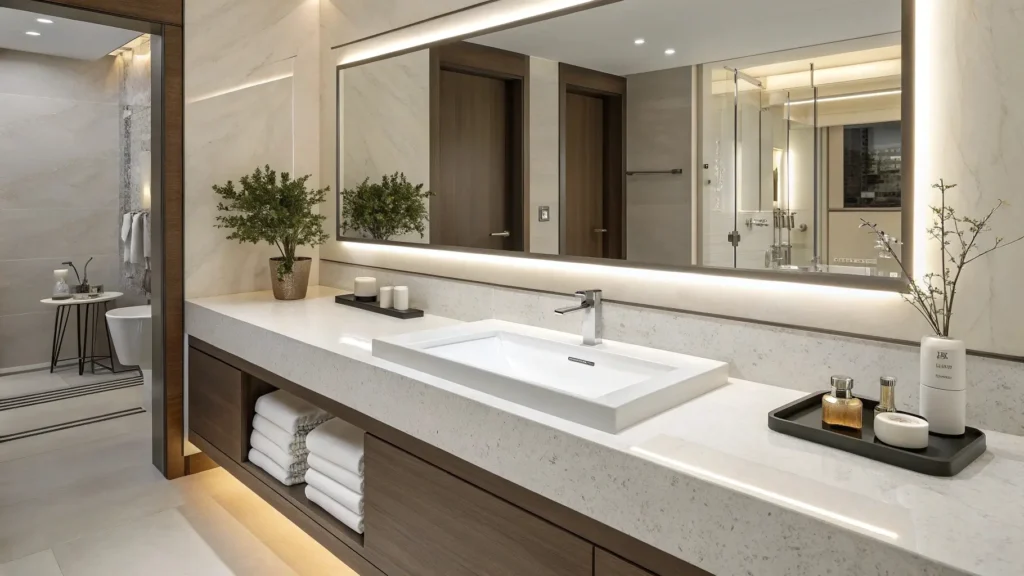
Undermount sinks are better for projects because they offer easier cleaning, a modern look, and superior long-term durability compared to drop-in sinks.
Drop-In Sink
These are cost-effective and ideal for budget renovations but collect grime along their rims.
Undermount Sink
Undermount sinks hide the edge beneath the counter, preventing buildup and creating a smooth, continuous surface.
From my experience, even mid-tier hotels are shifting to undermounts to align with global brand standards. The upgrade adds visual value and reduces labor over time.
Which bathroom vanity sink styles create a seamless, high-end bathroom experience?
Design harmony is often the quiet mark of luxury.
Integrated, wall-hung, and undermount sinks create the most seamless and high-end bathroom experiences because they appear built-in, clean, and coordinated with surrounding finishes.
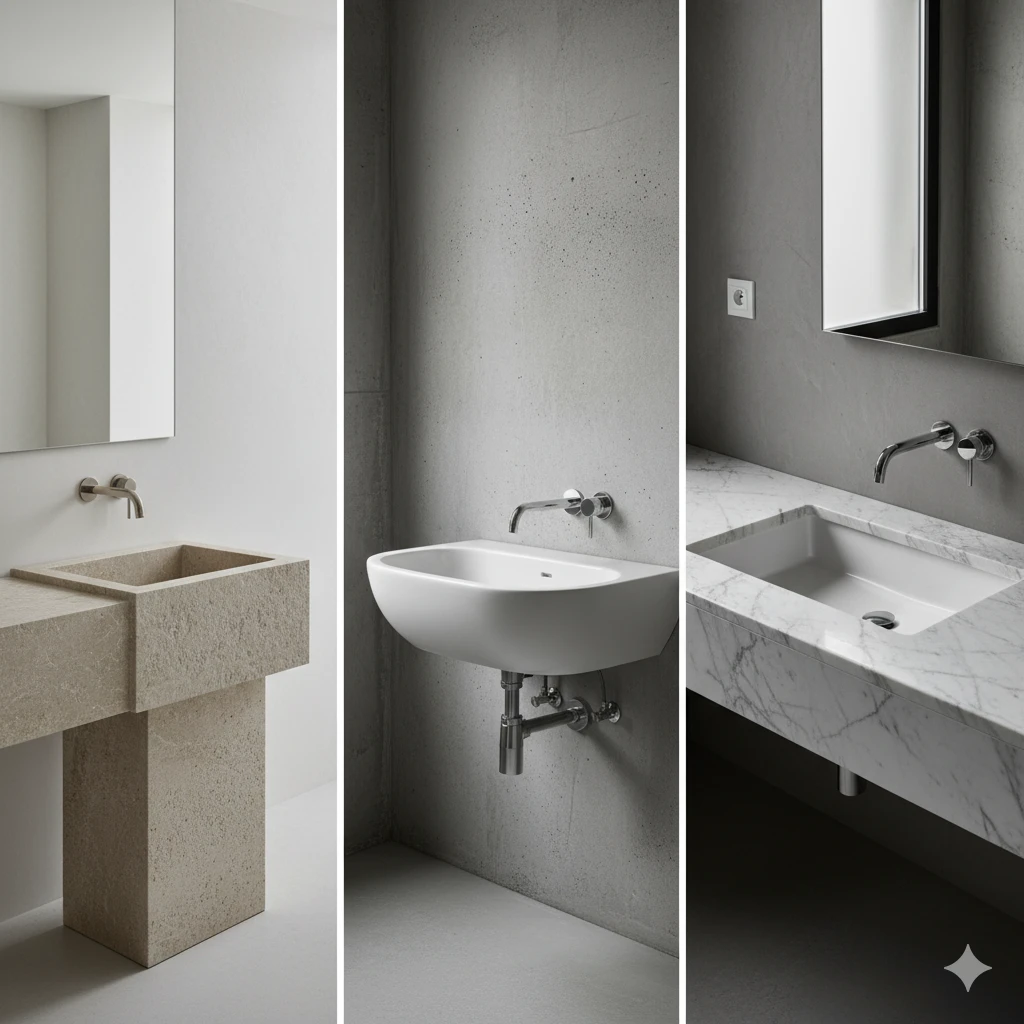
Integrated Sink
It merges with the vanity top, removing all visible joints. The result feels sculptural and bespoke.
Wall-Hung Sink
It makes a small bathroom look larger and keeps the floor fully visible, adding an airy sense of space.
Undermount Sink
Its concealed rim helps the counter flow visually and physically, ideal for minimalist or spa-inspired environments.
In high-end projects, the difference lies in perception. When guests see smooth lines and balanced symmetry, they sense order and quality—a subtle sign of good design and planning.
Which bathroom vanity sink types can boost ROI in different room types?
Durability and maintenance directly affect ROI.
Wall-hung and undermount sinks provide the best return on investment because they reduce maintenance costs, improve housekeeping efficiency, and maintain visual appeal over years of use.
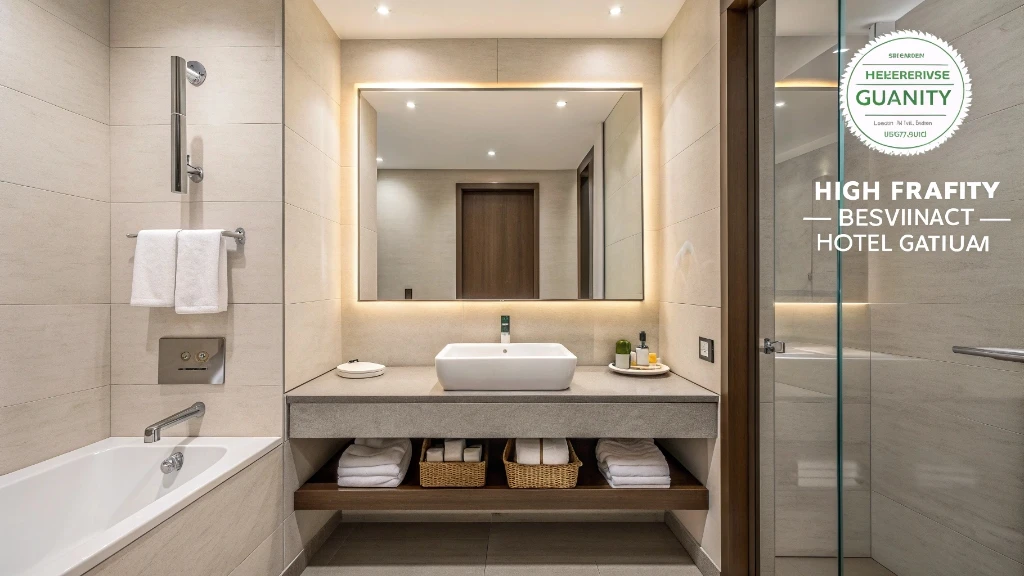
For Standard Guest Rooms
Wall-hung sinks work best for quick cleanups and small layouts, reducing water damage risk.
For Suites and Villas
Undermount sinks complement premium surfaces, adding elegance without compromising function.
For Public Restrooms
Integrated sinks support hygiene and speed up cleaning cycles, minimizing downtime.
Every procurement team looks for long-term stability. Choosing the right sink type early prevents high turnover costs and supports brand consistency across properties.
Project Snapshot: Resort Upgrade
Pain Point: A coastal resort faced frequent ceramic chipping and high maintenance costs due to traditional sink seams trapping mold.
Solution: We provided customized, one-stop solid surface integrated sinks that eliminate seams and reinforce durability for high-traffic use.
Result: Maintenance calls dropped to zero, and housekeeping reported a 20% reduction in cleaning time per room.
Conclusion
The right sink choice blends design and practicality, ensuring every project meets both guest and housekeeping needs. Contact us to learn how we help hotels achieve lasting bathroom excellence.
Transform Your Project's Bathroom Experience
Selecting the right sink is just the beginning. At George Buildshop, we offer comprehensive bathroom space design and a full suite of premium products tailored for hotels and resorts.
Ready to optimize your procurement? Fill out the form below to receive a professional design proposal and a competitive wholesale quote from our technical specialists.