
Selecting the wrong types of toilets can cause plumbing failures across hundreds of hotel rooms. Different types of toilets use distinct types of toilets flush designs that create severe project delays.
The best commercial toilets match room function, plumbing layouts, and water supply rather than just catalog appearance. Wall-hung and one-piece models work best for hotel guestrooms, while durable flushometer systems suit high-traffic public restrooms. Hospital and apartment projects demand accessible heights and simple replacement parts.
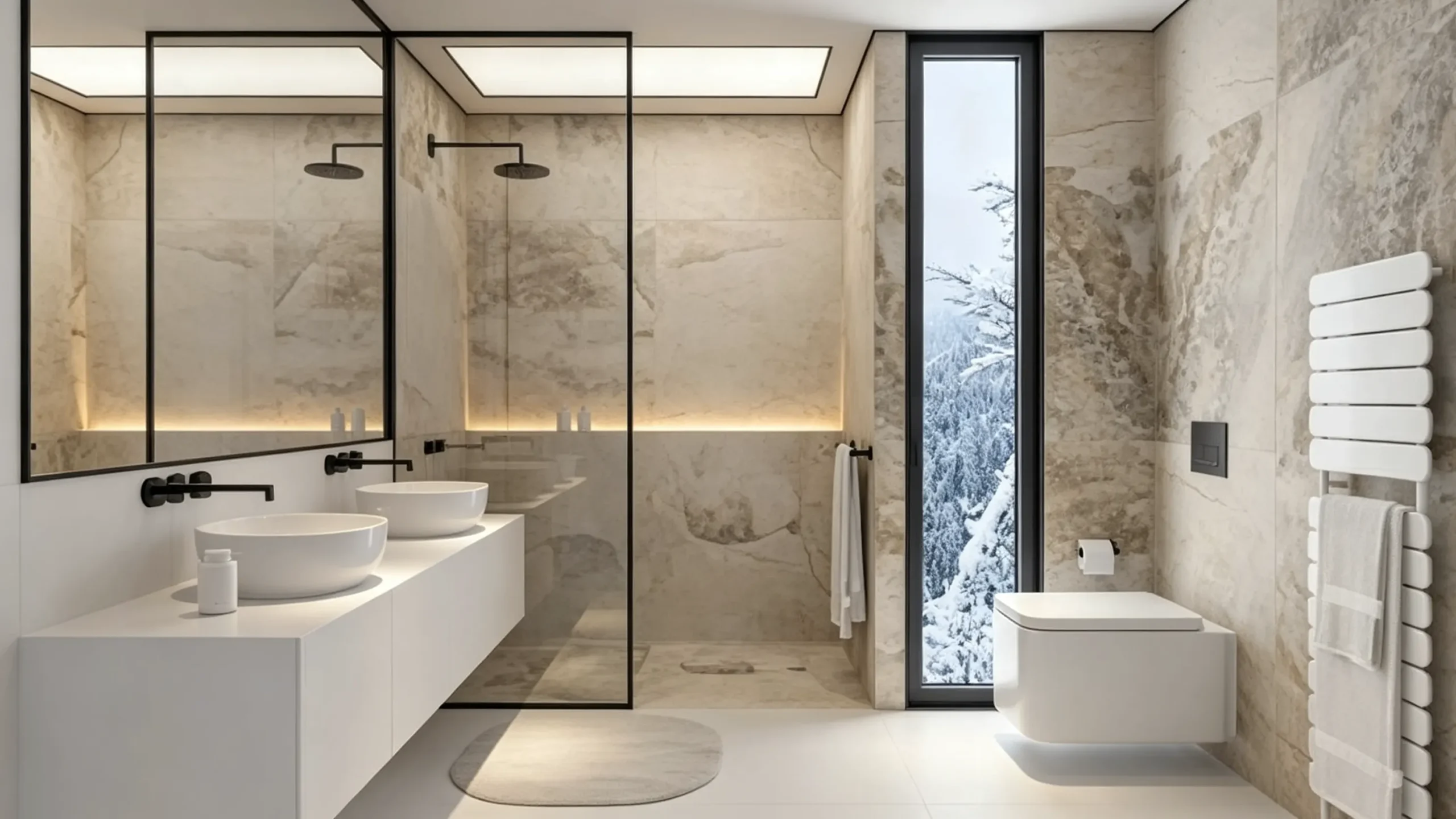
I spent years inspecting bathroom fixtures across global hospitality and housing projects. A fixture that looks clean in a brochure can fail on-site when drainage interfaces do not align. Let us explore the technical classifications that determine successful commercial sanitation.
What Types of Toilets Should Commercial Buyers Know?
Specifying fixtures from consumer catalogs creates severe installation errors during large builds. Incompatible waste outlets and mounting styles stall contractor timelines and inflate your budget. Clear commercial classification prevents these costly mistakes.
Commercial buyers must classify different types of toilets across four technical dimensions: construction type, flushing mechanism, waste outlet configuration, and bowl geometry. This structured approach ensures every specified fixture matches the building’s rough-in dimensions, water pressure, and daily traffic demands.
Construction and Installation
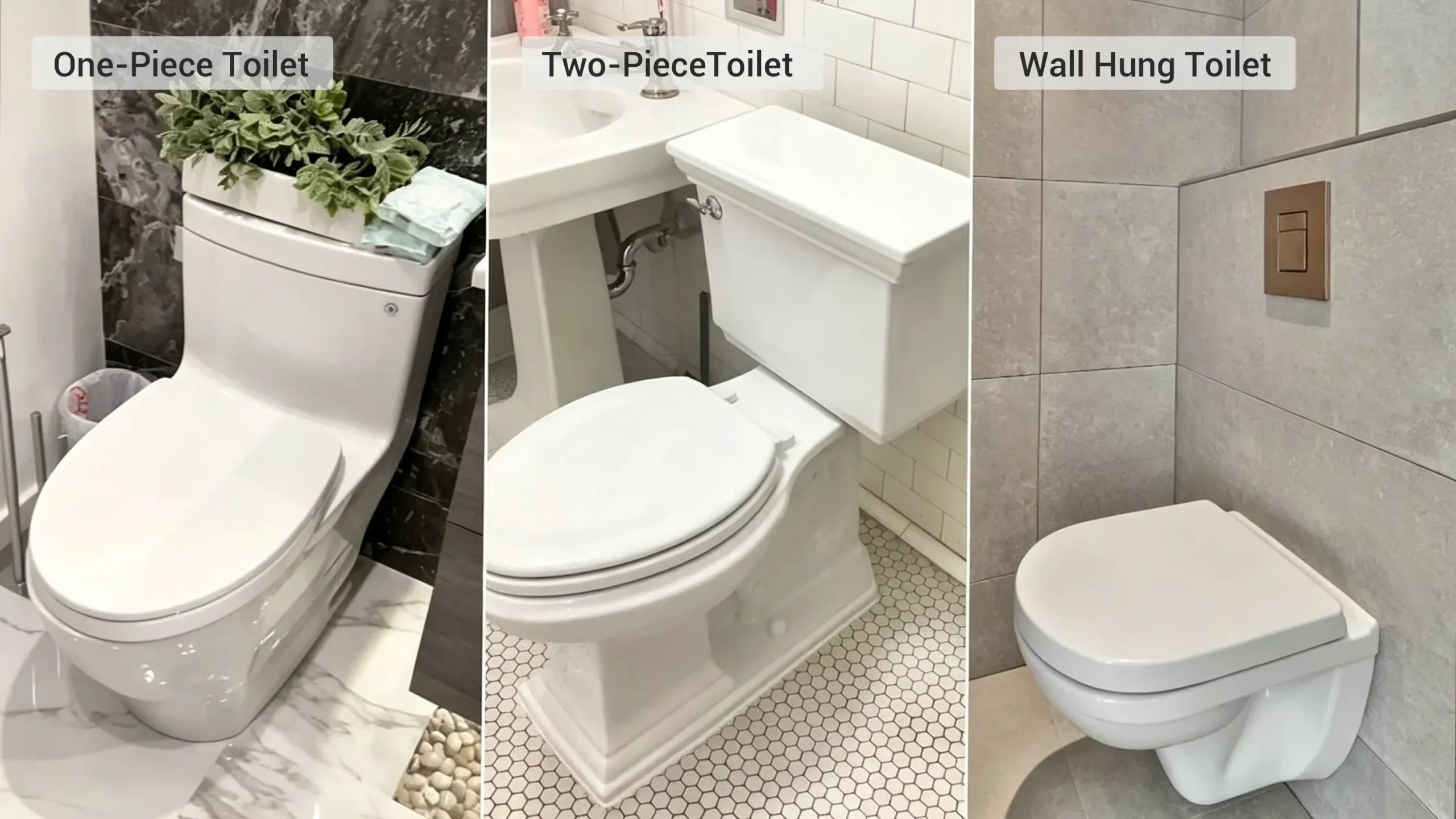
One-piece units simplify cleaning but require careful handling during bulk transit. Two-piece models offer lower initial cost with modular tank replacements. Wall-hung toilets save floor space and ease maintenance, while floor-mounted fixtures provide familiar, sturdy rough-in connections.
Flush Mechanism and Waste Outlet
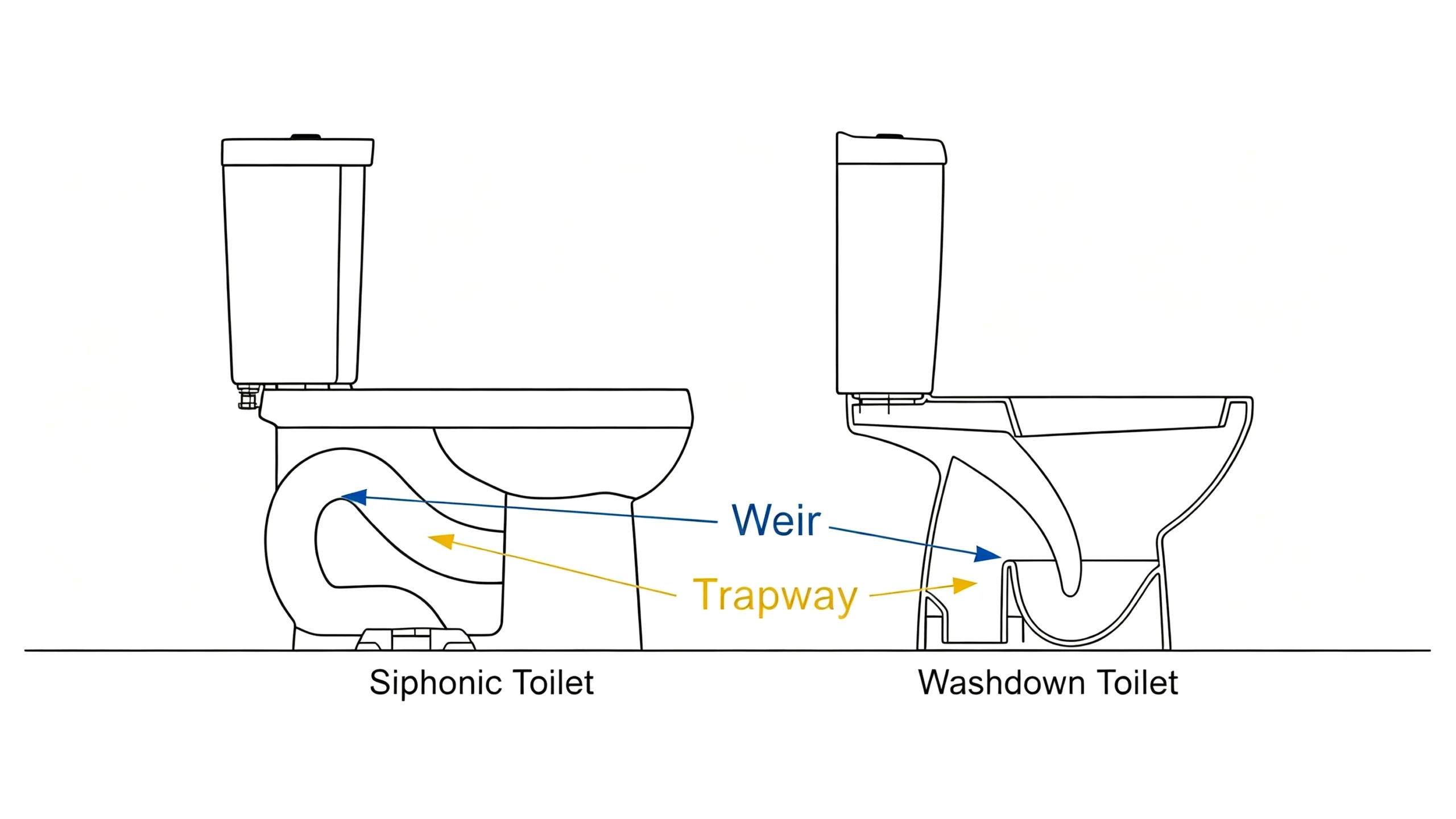
Gravity siphonic bowls ensure quiet operation in guestrooms, while washdown bowls handle direct waste removal effectively. Pressure-assisted and flushometer systems suit commercial traffic. S-trap floor outlets and P-trap wall outlets dictate specific structural plumbing alignments.
Bowl and User Configuration
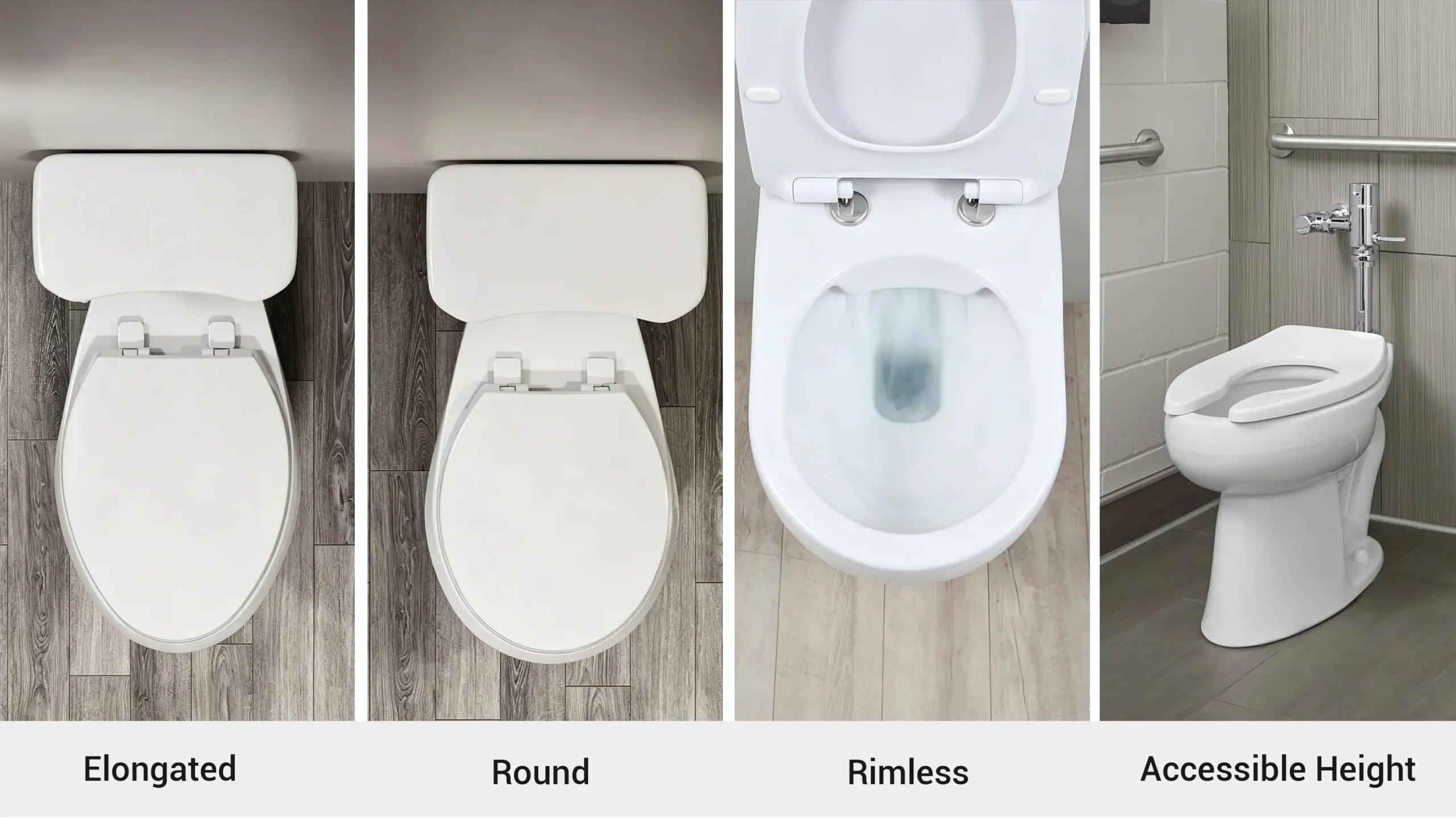
Elongated bowls maximize user comfort, whereas compact round bowls resolve tight clearance constraints. Rimless designs improve clinical hygiene in healthcare settings, and accessible heights fulfill statutory compliance codes for commercial hospitality environments.
| Type | Installation | Cleaning | Plumbing Requirement | Maintenance | Best Project Use |
|---|---|---|---|---|---|
| One-Piece | Floor mount | High | Standard rough-in | Simple valve swap | Hotel guestrooms |
| Two-Piece | Floor mount | Moderate | Standard rough-in | Low component cost | Standard apartments |
| Wall-Hung | In-wall carrier | Superior | Reinforced wall & carrier | In-wall access plate | Luxury hotel suites |
| Flushometer | Floor / Wall | Superior | High-flow main line | Specialized valve kit | Public restrooms |
Construction type does not dictate flushing performance or drainage fit. A wall-hung fixture only defines mounting mechanics, not rough-in waste compatibility or supply pipe sizing. I always separate installation methods from plumbing interfaces to prevent expensive structural redesigns during mechanical rough-ins.
Which Toilet Type Works Best for Hotels, Hospitals, and Apartments?
Using a single toilet model across varied commercial environments causes early product breakdown. High guest turnover and clinical sanitation require distinct plumbing choices. Choosing by room type avoids expensive post-opening failures.
The best toilet types depend on room function, daily traffic, and maintenance access rather than decorative style. Quiet one-piece units suit hotel guestrooms, while flushometer systems handle public lobbies. Hospitals require rimless accessible bowls, and apartments prioritize standardized two-piece models for fast maintenance.
Source:
https://www.epa.gov/watersense/commercial-toilets
Hotel Guestrooms and Public Restrooms
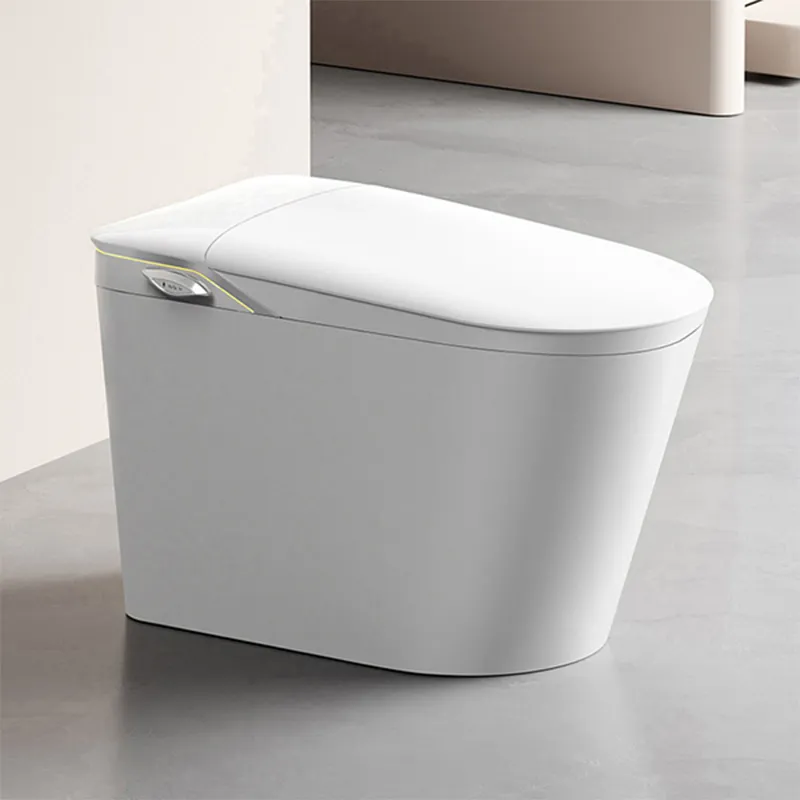
Hotel guestrooms require quiet siphonic flushing, rapid housekeeping access, and consistent seat finishes across inventory. In contrast, hotel public restrooms need high-traffic flushometer systems with rapid cycle recovery, vandal resistance, and high water efficiency.
Hospital and Clinical Bathrooms
Hospital patient bathrooms require rimless ceramic bowls for infection control, specific seat heights, and precise clearance around rear grab bars. Installers must coordinate flush-valve actuators with wall-mounted support rails to prevent on-site layout conflicts.
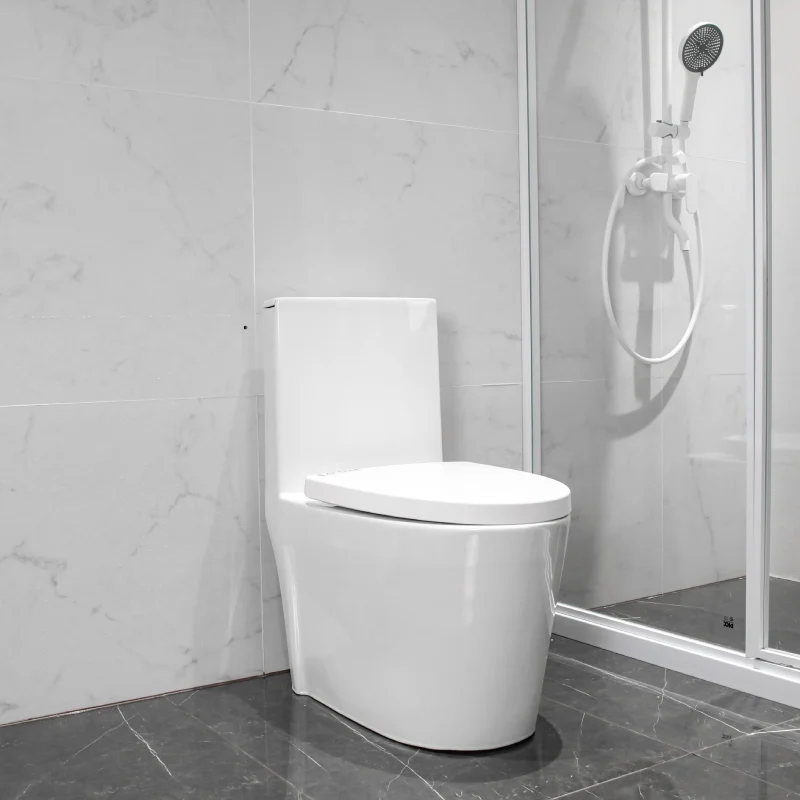
Standard and Accessible Apartment Units
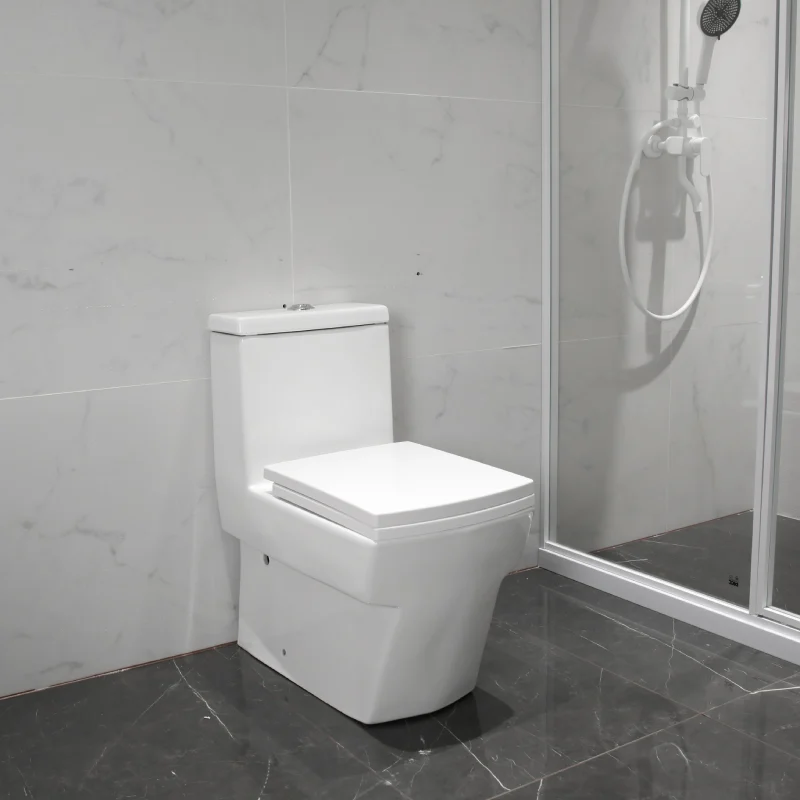
Apartment developments demand high repeatability, durable two-piece or back-to-wall ceramics, and common replacement components. Accessible suites require specific centerline spacing, comfort-height bowls, and clear turning radius compliance that standard residential units do not need.
| Project Sector | Primary Priority | Recommended Toilet Type | Key Interface Check |
|---|---|---|---|
| Hotel Guestroom | Acoustic comfort & aesthetics | One-Piece / Back-to-Wall | Acoustic rough-in & seat fit |
| Hotel Public Restroom | Heavy traffic & fast cycle | Flushometer Valve System | Dynamic water pipe sizing |
| Hospital Patient Room | Infection control & access | Rimless Accessible Floor Mount | Grab bar & flush actuator clearance |
| Multi-Family Housing | Low lifecycle cost & parts | Standardized Two-Piece Unit | Standard rough-in consistency |
A compliant toilet fixture does not guarantee a compliant commercial bathroom. In hospital projects, I frequently find flush valves clashing with mandatory rear grab bars after submittal approval. True project suitability requires reviewing fixture cut sheets alongside architectural clearance drawings.
Which Flush System Fits the Building’s Plumbing?
Installing high-powered flush systems on inadequate supply lines causes weak clears and noisy operation. Unmatched plumbing dynamics disrupt building occupants and strain site infrastructure. Matching flushing systems to supply piping prevents costly rework.
A powerful flush system must match available water volume, dynamic pressure, and drainage slope. Commercial flushometers demand dedicated large-diameter supply pipes for high-traffic zones, while gravity-fed siphonic and washdown systems operate reliably on standard residential supply pressures in hotel guestrooms.
Gravity Siphonic and Washdown Systems
Gravity siphonic toilets pull waste through an engineered trapway with minimal acoustic disturbance, making them ideal for guest suites. Washdown toilets push waste directly using water volume, functioning effectively in regions with variable water supply lines.
Pressure-Assisted and Commercial Flushometer Systems
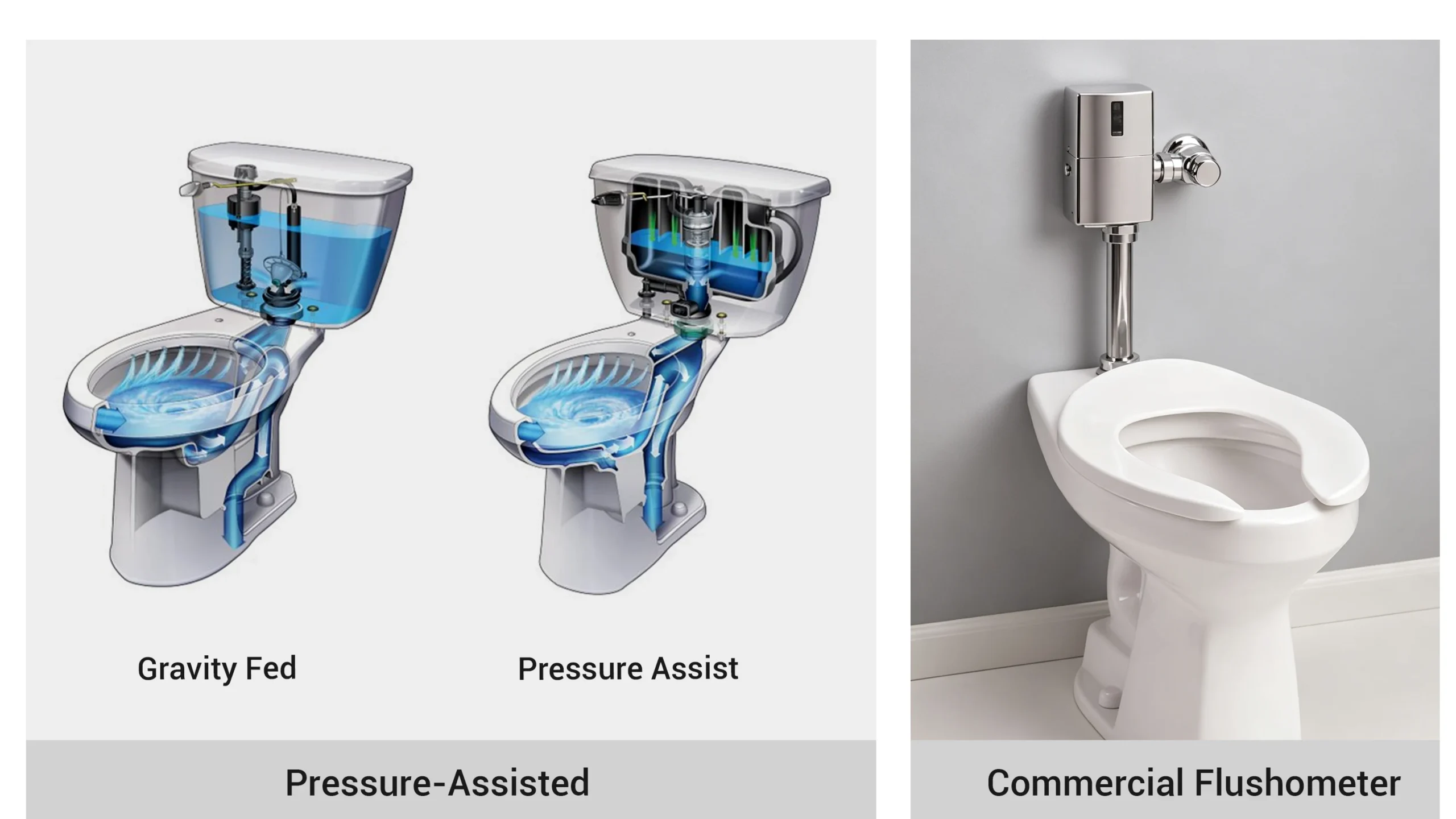
Pressure-assisted tanks use trapped air to deliver high-velocity clearing in demanding private suites without requiring larger main lines. Commercial flushometers connect directly to pressurized mains, delivering rapid back-to-back flushes in heavy-use public spaces.
| Flush System | Water Supply Required | Recovery Time | Noise Level | Maintenance Focus | Typical Building Use |
|---|---|---|---|---|---|
| Gravity Siphonic | Standard 1/2″ Line | 45–60 Seconds | Low | Fill / Flapper valve | Hotel guestrooms |
| Washdown | Standard 1/2″ Line | 40–50 Seconds | Moderate | Simple drop valve | Apartments / Dorms |
| Pressure-Assisted | Min 25 PSI Supply | 30–45 Seconds | High | Pressure vessel cartridge | Assisted living suites |
| Commercial Flushometer | Dedicated 1″ Supply | Instantaneous | High | Diaphragm / Piston kit | Airport & lobby restrooms |
Static water pressure does not indicate dynamic flow capacity during simultaneous use. Specifying flushometer toilets on undersized half-inch lines starves upper floors and causes immediate system failures. I verify pipe diameter, dynamic flow rate, and simultaneous fixture demand before finalizing any valve specification.
Which Toilet Type Costs Less Over the Whole Project Lifecycle?
Basing large purchasing decisions strictly on unit price creates massive maintenance expenses over time. Cheap components lead to leaking seals, broken seats, and frequent room downtime. True lifecycle evaluation protects your long-term operating budget.
The lowest lifecycle cost comes from standardized ceramic fixtures with accessible replacement valves and durable hardware. While two-piece units feature lower purchase prices, one-piece and back-to-wall models reduce housekeeping labor and prevent exterior joint leaks across multi-room commercial properties.
Total Cost Calculation Formula
I evaluate toilet expenditures through total lifecycle impact rather than initial invoice cost: Product Price + In-Wall Carriers + Plumbing Adaptation + Installation Labor + Spare Parts Inventory + Maintenance Hours + Water Consumption = Total Lifecycle Cost.
Two-Piece vs One-Piece Cost Breakdown
Two-piece units reduce initial purchase outlays and allow simple tank replacements if damaged. One-piece models cost more upfront but eliminate tank-to-bowl gasket failures and cut daily housekeeping cleaning times across hundreds of guestrooms.
Wall-Hung and Concealed System Economics
Wall-hung toilets accelerate floor mopping and elevate room value. However, they require commercial in-wall carrier systems and skilled mechanical installation. Project owners must balance premium guest perception against structural carrier costs and access panel maintenance.
Standardization delivers greater savings than cheap initial unit pricing. When procuring for a 200-room property, securing universal fill valves, standardized mounting bolts, and identical soft-close seats prevents costly room out-of-service time five years later when replacement parts become urgent.
How Should Toilets Be Approved Before a 100+ Room Order?
Ordering sanitary ware from catalog photos exposes multi-unit developments to devastating dimensional errors. Uninspected batch variations cause rough-in delays and substantial financial losses. A rigorous technical approval protocol guarantees zero installation surprises.
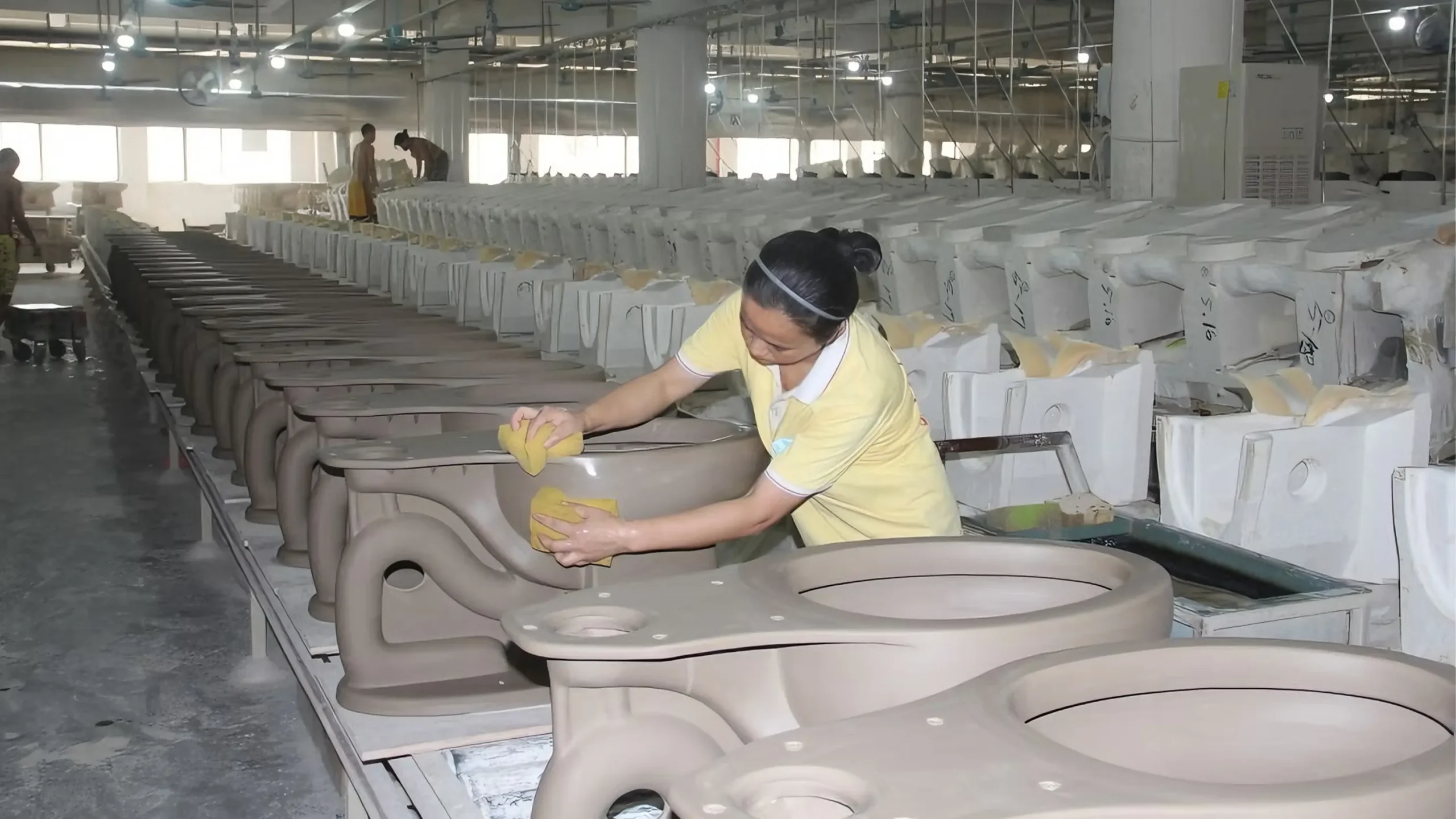
To approve commercial toilet orders over 100 rooms, buyers must review plumbing drawings, install physical on-site mockups, verify third-party certifications, and seal a golden production sample. Factory incoming and outgoing quality inspections ensure dimensional consistency and flawless batch execution.
Technical Scope Review and Room Schedule
I review bathroom layout drawings, BOQ line items, and rough-in dimensions to generate an exact room-type toilet schedule. This prevents applying a single fixture specification across unsuitable floor plans.
Mock-Up Installation and Golden Sample Approval
My team ships pre-production units for on-site rough-in testing, flush performance validation, and grab-bar alignment. Once approved, we seal a golden sample to lock ceramic glaze, dimensions, flush valves, and carton labels.
Batch Inspection and Phased Logistics
Our quality controllers conduct strict incoming and outgoing checks across every production batch. We label cartons by room number, pack protective cushioning, and schedule phased container deliveries matching on-site construction milestones.
On a recent 180-room hotel project in Dubai, our drawing review caught an unvented waste outlet clash before mass production started. By building an on-site mock-up, we adjusted trapway geometry in the factory, preventing thousands of dollars in emergency plumbing rework.
What Do Project Buyers Ask Most About Toilet Types?
Conclusion
Selecting commercial toilets requires balancing plumbing interfaces, room acoustics, and lifecycle maintenance. Contact my team at georgebuildshop.com to configure reliable, certified sanitary ware for your next project.
Ready to Configure the Perfect Bathrooms for Your Next Project?
Selecting commercial toilets is just the first step. To truly balance plumbing interfaces, room acoustics, and premium aesthetics, you need a reliable partner. As a one-stop commercial bathroom supplier, George Build Shop provides everything from on-site physical mockups to customized vanity design for luxury resorts.
Submit your project details, BOQ, or layout drawings in the form below. Our engineering team will help you configure reliable, certified sanitary ware that eliminates installation risks and elevates your guest experience.