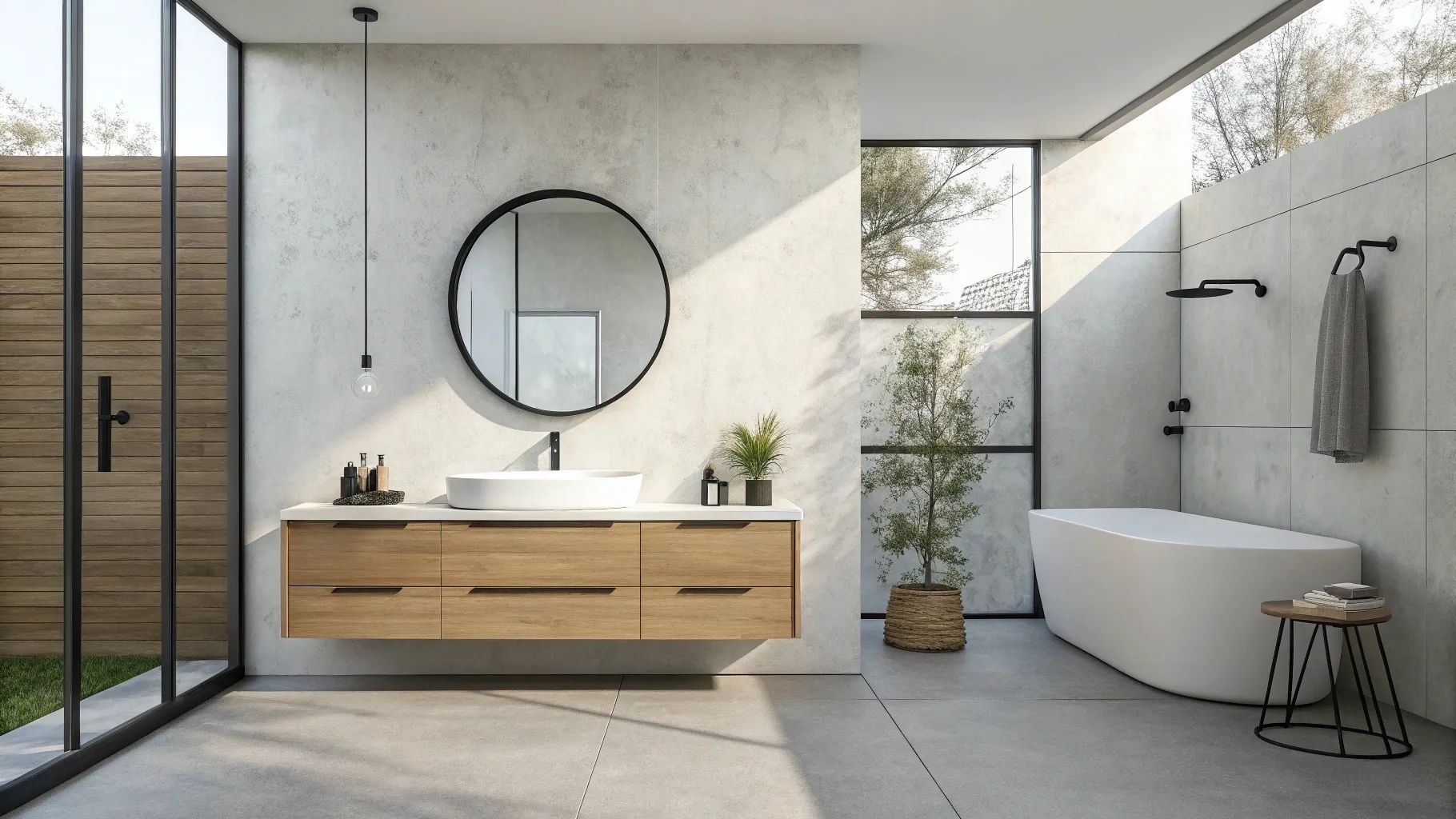

Many project buyers choose a floating bathroom vanity for the look alone. Then they face wall failures, exposed pipes, and costly repairs. The pros and cons of floating bathroom vanity selection matter more than most buyers expect.
A floating bathroom vanity offers a cleaner modern look, easier floor cleaning, and better use of small bathroom space. But it also requires strong wall support, careful plumbing planning, and precise installation. For hotel and apartment projects, getting these details right is the difference between a reliable product and an expensive problem.
I have worked with many hotel and apartment buyers who come to me asking about floating vanities. Most of them ask about size, finish, and price first. Very few ask about wall structure, pipe position, or installation tolerance. That gap is exactly where most project problems begin. Let me walk you through what I have learned.
Table of Contents
Is a Floating Bathroom Vanity a Good Choice for Hotel and Apartment Projects?
Many procurement managers ask me this question. They have seen beautiful renders. But they are not sure if the product will actually work in their buildings. The answer depends on more than just the cabinet itself.
A floating bathroom vanity works well for modern hotels, apartments, resorts, and model units. It is not the right choice when wall conditions are unclear, plumbing has not been pre-planned, or the project is focused only on the lowest price.
For B2B buyers, a floating vanity is not simply buying a cabinet. It is buying a complete system. That system includes the wall support, cabinet body, countertop, hardware, installation method, and future maintenance plan. Each part must be planned together before any order is placed.
It Fits Modern Hotel and Apartment Projects Well
Modern hotel brands and apartment developers want bathrooms that look clean and light. A floating vanity fits this direction well. It removes the heavy floor base and gives the room a more open, refined appearance.
It Does Not Fit Every Project Situation
If the wall structure has not been confirmed, if the plumbing rough-in has not been coordinated, or if the client wants a very low unit price without thinking about installation cost, a floating vanity will create problems later. I have seen this happen more than once.
The Real Purchase Decision Is a System Decision
When Emma, a hotel procurement manager, buys 200 sets of floating vanities for a new property, she is not just buying cabinets. She is committing to a wall structure requirement, a plumbing layout, an installation team standard, and a maintenance process. If any one part is missing, the whole system fails.
A floating vanity project that is planned well from the start will deliver consistent results across every room. A project that is planned around price alone will deliver inconsistent results and higher long-term costs. That is the real decision buyers need to make.
Case Snapshot: 150-Room Resort Project
The contractor discovered unverified light steel framing in the bathrooms just weeks before installation, risking severe wall sagging.
We quickly supplied our one-stop floating vanity system bundled with custom-engineered load-bearing brackets designed specifically for light frames.
Zero installation failures, batch fitting completed 30% faster, and full ADA knee-clearance compliance achieved.
What Are the Main Pros of a Floating Bathroom Vanity?
I often hear buyers say floating vanities look better. That is true. But the real advantages for hotel and apartment projects are more specific than just appearance. Here are the five engineering benefits I think matter most.
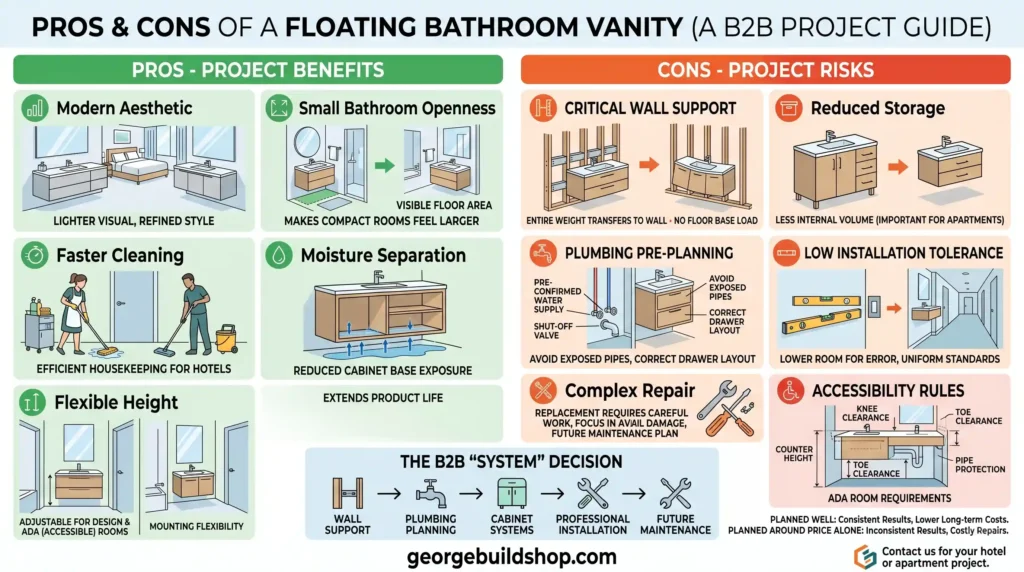
The main pros of a floating bathroom vanity include a cleaner modern look, better use of small bathroom space, easier floor cleaning, reduced cabinet contact with wet floors, and adjustable mounting height. These benefits are most valuable when the product is installed correctly in the right project type.
It Creates a Cleaner and More Modern Hotel Bathroom Look
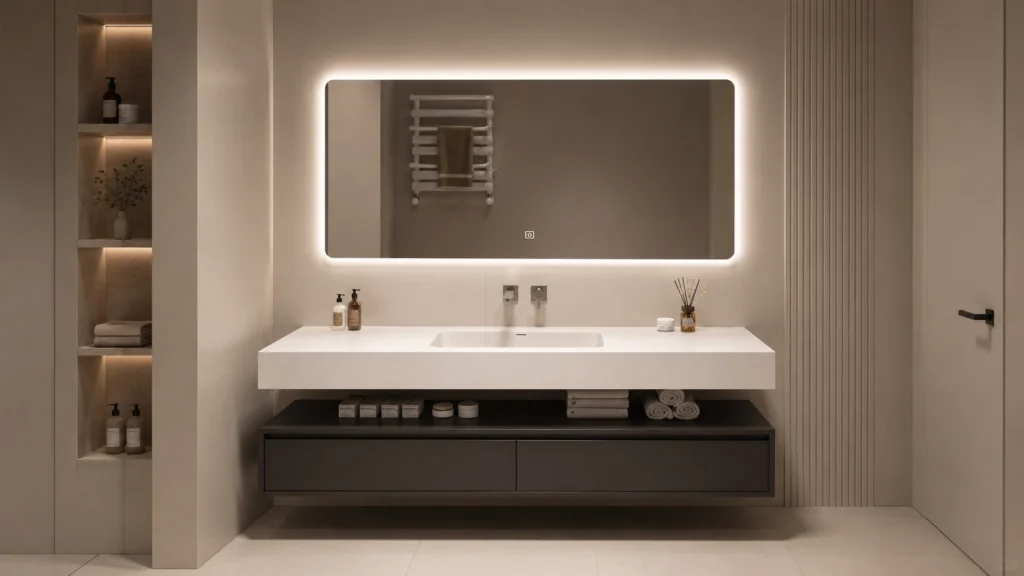
A floating vanity removes the heavy base from the floor line. This makes the bathroom feel lighter and more refined. For modern hotel rooms, resort suites, and high-end apartment bathrooms, this visual direction fits the design brief well.
It Makes Small Bathrooms Feel More Open
When the floor is visible under the cabinet, the eye reads the room as larger. This matters especially for compact hotel rooms and apartment bathrooms. A floating bathroom vanity with sink can help a tight space feel less crowded without changing the actual room size.
It Makes Floor Cleaning Easier for Housekeeping Teams
This is one of the most practical advantages for hotel operations. There is no floor base to trap water, hair, or dust. Housekeeping staff can mop under the cabinet without bending around corners or using special tools. Over thousands of room-nights, this reduces labor time and improves hygiene.
It Helps Separate Cabinet Materials from Wet Floors
The cabinet body does not touch the floor directly. This reduces long-term moisture exposure to the cabinet base. For high-use hotel and apartment bathrooms where the floor is often wet, this separation helps the cabinet last longer.
It Allows More Flexible Mounting Height
A floating vanity can be installed at different heights based on the project design, the market, or accessible room requirements. A standard floating bathroom vanity 24 inch model, for example, can be mounted lower for accessible rooms or higher for markets where taller users are more common. But this flexibility only works when the plumbing and wall structure are planned in advance.
The pros of a floating vanity are real. But they only deliver value when the installation system behind them is solid. A beautiful cabinet on a weak wall is not a pro. It is a delayed problem.
What Are the Main Cons of a Floating Bathroom Vanity?
Every product category has real limitations. Floating vanities have several that I see project buyers overlook. Understanding these cons early saves money and avoids problems during installation and long-term use.
The main cons of a floating bathroom vanity include the need for strong wall support, reduced storage in some cases, more careful plumbing planning, lower installation tolerance, more complex repairs, and limitations in accessible bathroom designs. Each of these can become a serious project risk if ignored.
It Requires Strong Wall Support
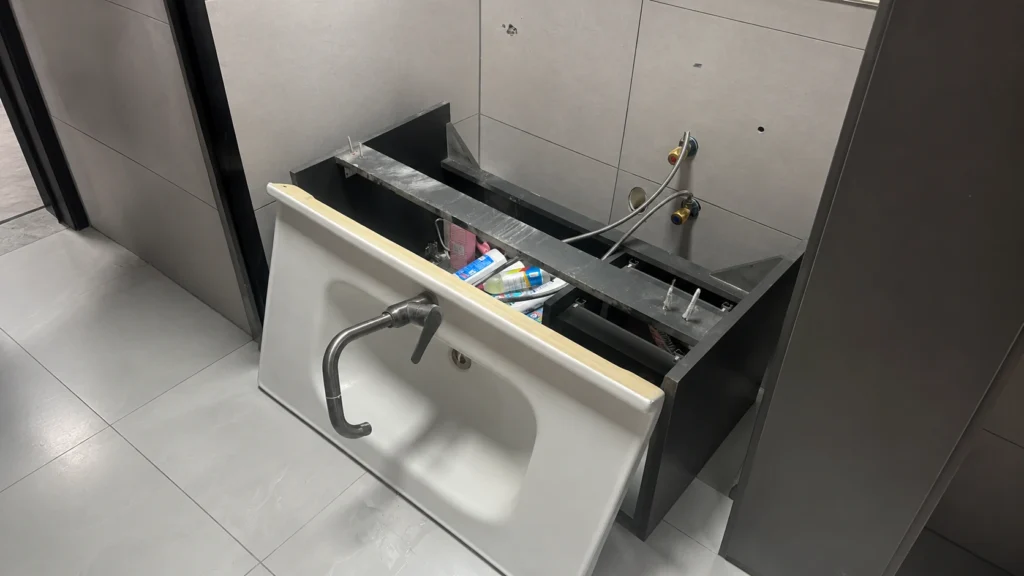
A floating vanity transfers its full weight to the wall. There is no floor base to carry any load. If the wall has not been reinforced, if no backing or blocking was set during construction, or if the wall type was not confirmed before installation, the cabinet may loosen, sag, or crack the wall over time.
It Can Reduce Storage Capacity
Compared to a floor-standing cabinet, the floating design often has less internal volume. For hotel rooms, this is usually acceptable because guests do not need large storage. But for long-term rental apartments, serviced apartments, or residential projects, storage space must be evaluated carefully before choosing a floating design.
Plumbing Must Be Planned More Carefully
If the drain, water supply lines, or shut-off valve positions are not confirmed before the cabinet is ordered, the pipes may end up exposed or in the wrong position for the drawer layout. This affects both the appearance and the installation cost. I always tell buyers to confirm the rough-in drawing before finalizing the cabinet specification.
Installation Tolerance Is Lower
A floor-standing vanity can use the floor surface to absorb small errors. A floating vanity cannot. The wall must be flat, the mounting height must be exact, the bracket positions must match the cabinet, and the horizontal level must be correct. For a 100-room hotel project, every room must be installed to the same standard.
Repair and Replacement Can Be More Complicated
When a cabinet, countertop, basin, or pipe fitting needs to be replaced, a floating vanity requires more careful work to avoid damaging the wall. Project buyers should think about what maintenance will look like in three to five years, not just how the product looks on day one.
It May Not Fit Every Accessible Bathroom Design
In accessible rooms or public restrooms, a floating vanity must meet specific requirements for knee clearance, toe clearance, counter height, pipe protection, and forward reach. The cabinet appearance alone is not enough. The full accessible design standard must be reviewed before specifying a floating vanity for these room types.
The cons of a floating vanity are manageable. But only if they are addressed before the order is placed. Buyers who think about these issues late always spend more time and money fixing them. Buyers who plan for them early have smooth projects.
Does a Floating Vanity Make a Small Bathroom Look Bigger?
This is one of the most common questions I receive from buyers working on compact hotel rooms or apartment bathrooms. The short answer is yes. But the full answer is more useful than a simple yes.
A floating vanity creates the visual impression of more floor space by keeping the floor line clear. This effect is real but depends on the amount of clearance below the cabinet, the wall color, lighting, mirror cabinet size, and whether storage and plumbing are handled cleanly.
The Clearance Below the Cabinet Matters
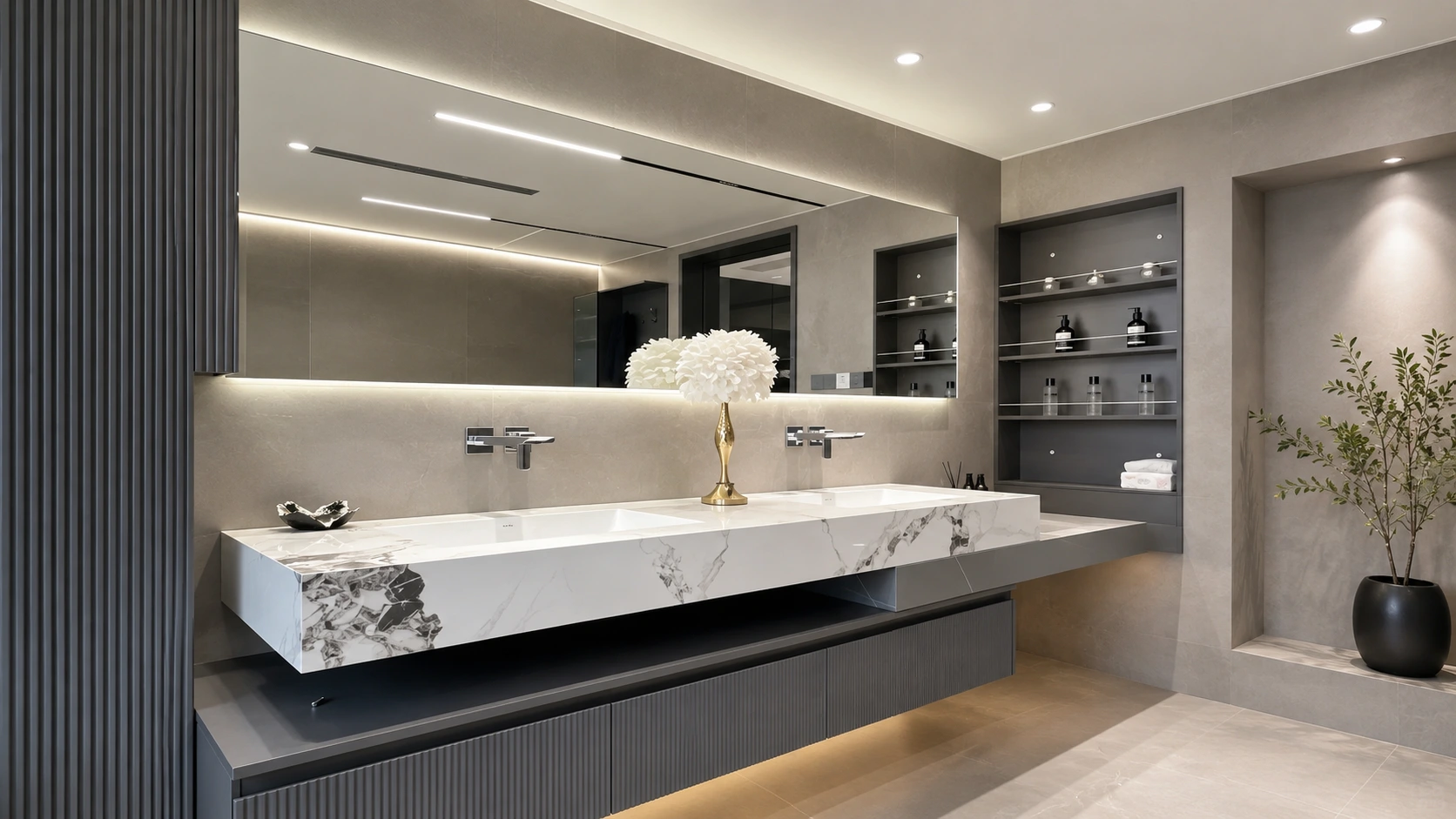
A floating vanity with only 3 to 4 inches of clearance does not create much visual space. A clearance of 6 to 8 inches or more allows the floor line to read clearly and makes the room feel more open. When specifying a floating bathroom vanity with sink for a compact room, the mounting height should be chosen to maximize this visual effect while staying practical for daily use.
The Surrounding Design Must Support the Effect
A floating vanity in a dark, cluttered bathroom will not make the space feel larger. The visual benefit works best when the floor material is light, the wall behind the vanity is clean and uncluttered, the mirror or mirror cabinet is well-proportioned, and lighting is placed to avoid dark corners near the vanity base.
Pipe and Drain Placement Affects the Result
If the drain and water supply pipes are exposed below the cabinet, the floor clearance area looks busy and mechanical. The space-enlarging effect is reduced. Clean pipe concealment, or the use of a cabinet design that hides the rough-in within the cabinet body, is necessary to get the full visual benefit in a small bathroom.
The visual effect of a floating vanity in a small bathroom is not automatic. It is the result of good planning across the whole bathroom design. The cabinet is one part of that result, not the only part.
How Sturdy Are Floating Vanities?
This question comes up in almost every project conversation I have with hotel procurement teams. They want to know if the cabinet will stay solid after thousands of guests use it. The answer is yes, but only under the right conditions.
A floating vanity can be very sturdy when the wall is properly prepared, the mounting hardware is rated for the full cabinet weight, and installation follows a consistent standard. Without these conditions, even a well-made cabinet will become unstable over time.
Wall Type Determines the Installation Method
Concrete walls and brick walls can hold a floating vanity with the right anchors. Light steel frame walls and wood stud walls require blocking or backing installed during the construction phase. For hotel and apartment projects, the wall type must be confirmed before any installation plan is finalized. Using the wrong anchor in the wrong wall type is one of the most common causes of floating vanity failure.
Pre-Installed Backing Is the Best Practice for Large Projects
For projects with 50 rooms or more, I recommend confirming backing or blocking during the rough construction phase. This means a solid reinforcement panel is embedded in the wall at the correct height before the wall finish is applied. This approach eliminates uncertainty during installation and gives the cabinet a reliable surface to mount against.
Total Weight Must Be Calculated Before Specifying Hardware
The mounting system must be rated for the combined weight of the cabinet body, countertop, ceramic basin, all drawers fully loaded, and the hardware. Buyers often calculate only the cabinet weight and forget the rest. A fully loaded floating bathroom vanity 24 inch unit with a stone countertop and ceramic basin can weigh significantly more than the empty cabinet alone.
Standard Hardware Is Not Enough for Heavy Cabinets
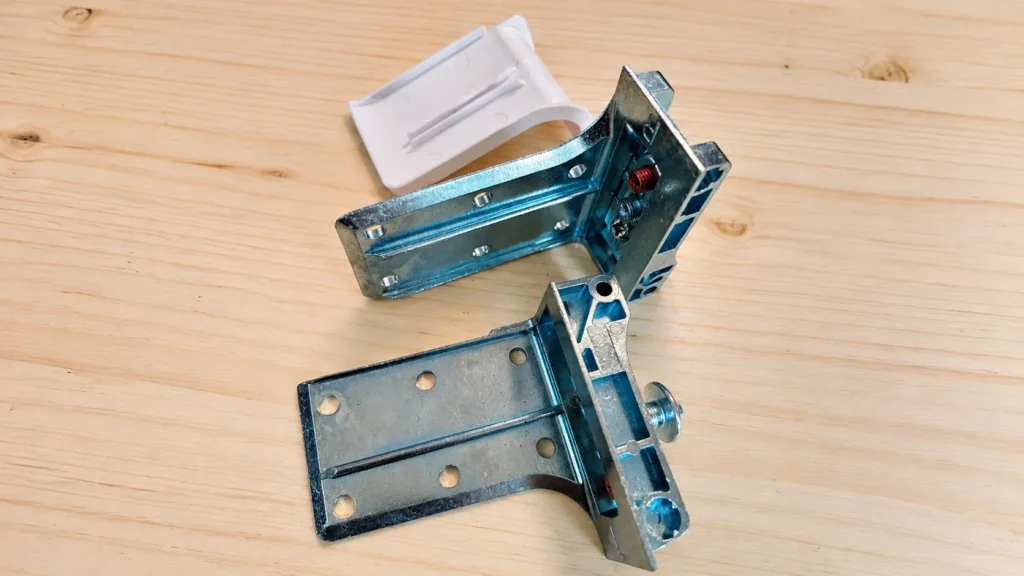
Ordinary expansion anchors are not suitable for heavy floating vanities in high-traffic environments. Proper mounting brackets, metal hanging systems, or engineered support rails designed for the specific cabinet weight should be used. This is especially important for wider cabinets and for stone or quartz countertop applications.
Batch Installation Requires a Unified Standard
In a 100-room hotel project, every room must be installed the same way. This means a standard installation drawing, a fixed mounting height, pre-drilled hole patterns that match the cabinet, and a trained installation team following the same process in every room. If each room is handled differently by different workers, the results will be inconsistent and some rooms will have problems sooner than others.
A floating vanity is as sturdy as the system behind it. The cabinet itself is only one part of that system. When buyers understand this, they ask better questions before they order, and they get better results after installation.
Conclusion
The pros and cons of floating bathroom vanity selection come down to planning. A well-planned floating vanity delivers real value for hotel and apartment projects. A poorly planned one creates expensive problems. If you are working on a hotel, apartment, or resort project and want to get the specification right, contact us at georgebuildshop.com and let us help you build a reliable system from the start.
Equip Your Entire Hotel Bathroom in One Stop
From custom floating vanities to shower enclosures, mirrors, and luxury fixtures, we consolidate your supply chain. Skip the hassle of coordinating multiple vendors and minimizing project risk. Submit your project details, floor plans, or BOQ (Bill of Quantities) below, and our engineering team will build a reliable procurement plan for your property.