
Do you feel overwhelmed by the endless choices for your bathroom renovation project? Many project managers struggle to choose between style and function. You need a solution that looks great and lasts a long time.
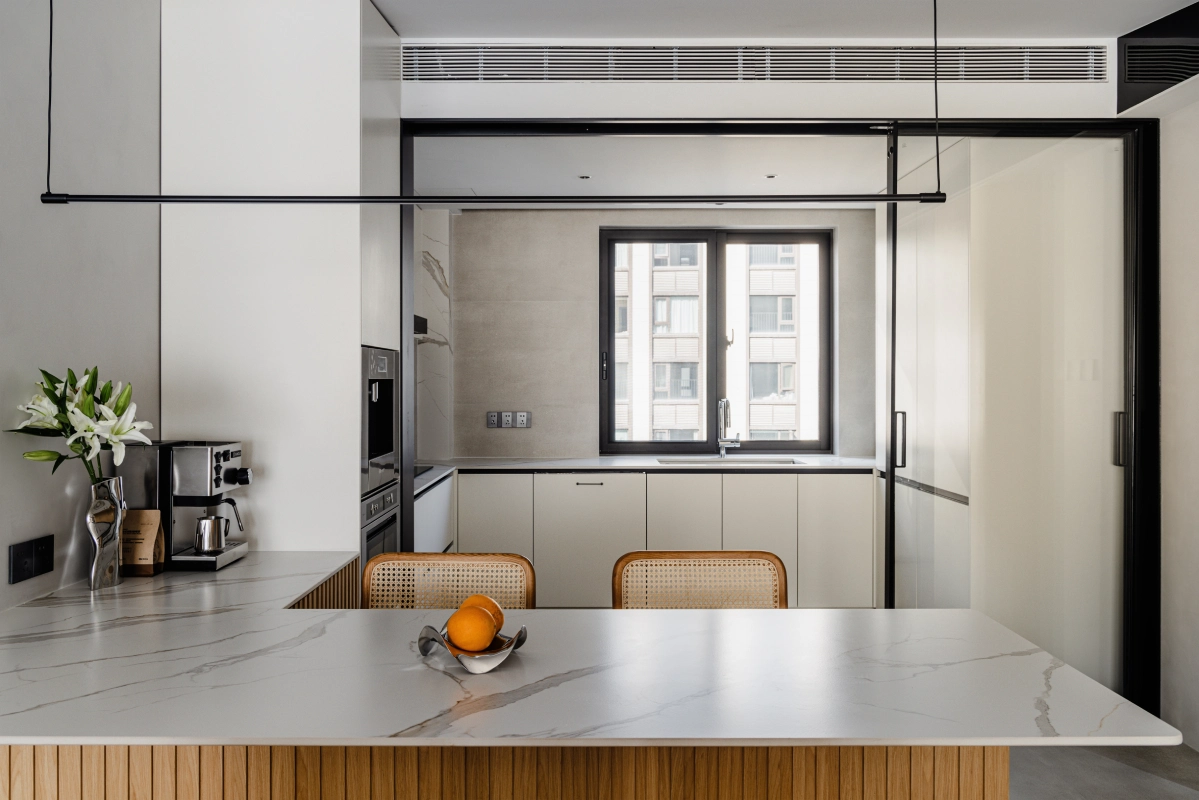
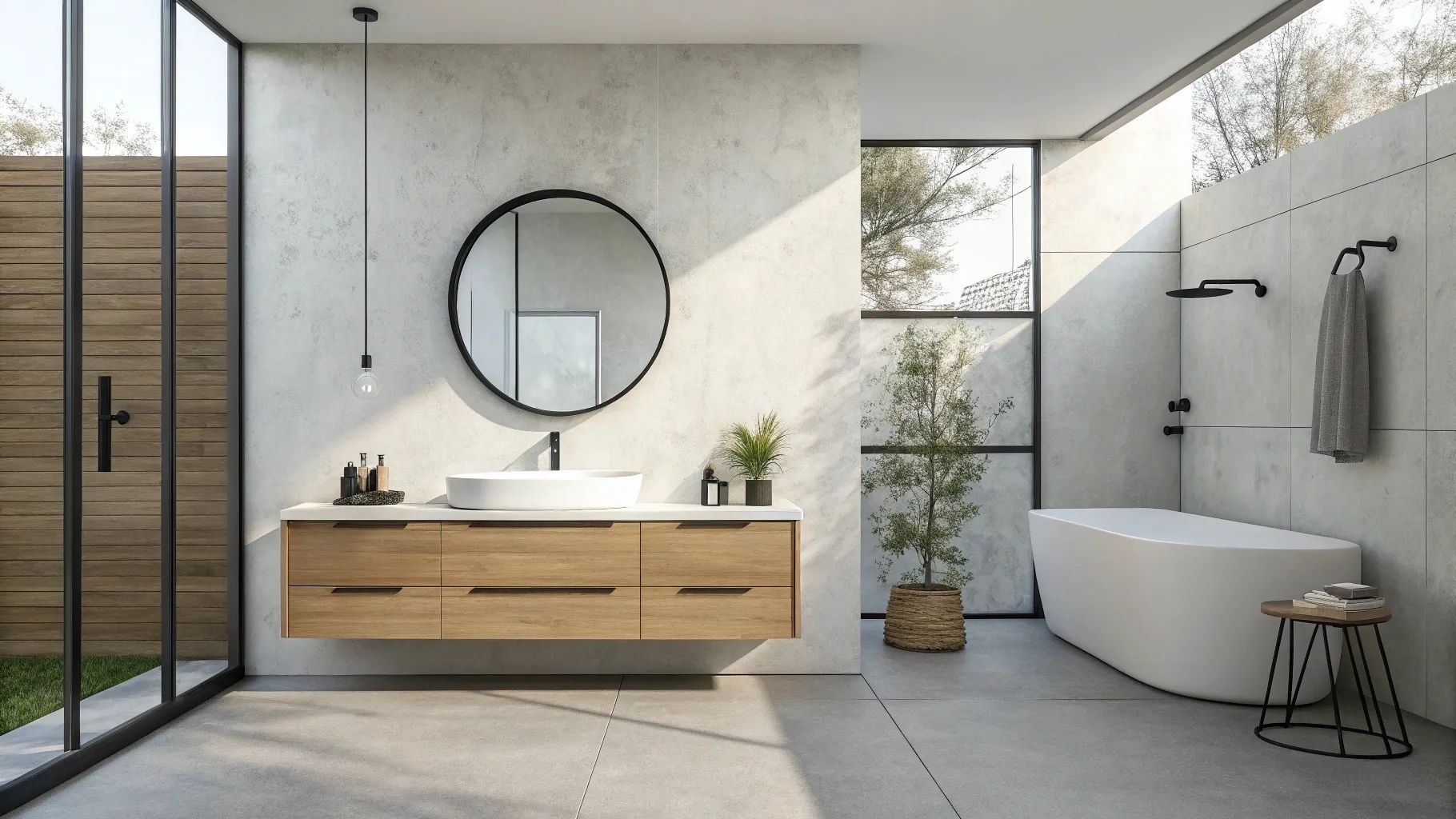
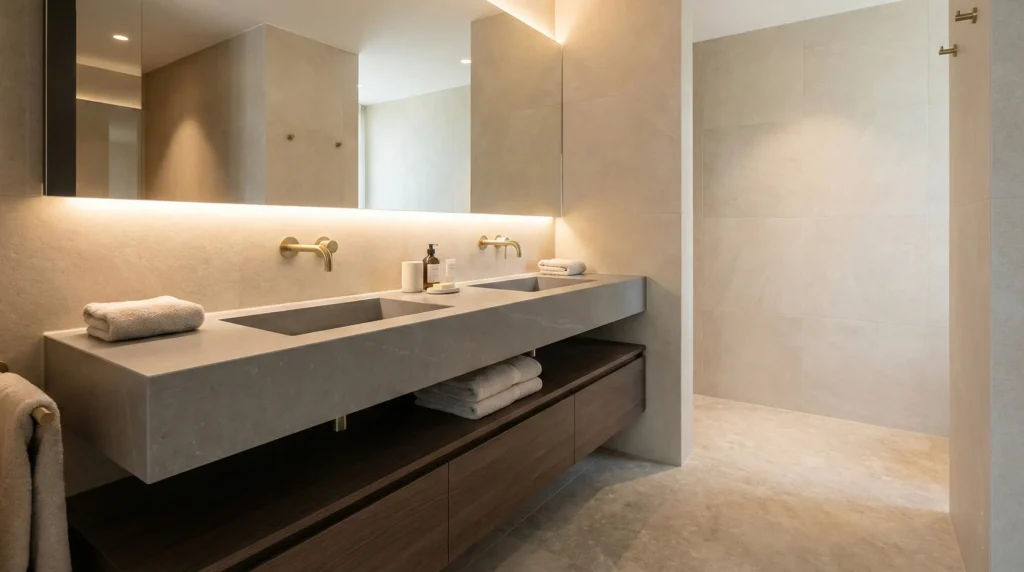
So, what is an integrated sink countertop? It is a seamless unit where the sink and the countertop are molded from the same material. This design eliminates joints and creates a smooth, continuous surface. It often uses materials like a quartz integrated sink or sintered stone to ensure durability.
In this article, I will share my honest thoughts on this product. I want to help you decide if this modern design fits your specific hotel or apartment needs. Let us look closer at the costs, materials, and maintenance realities
Table of Contents
What is an integrated vanity sink?
Many people get confused by technical names in the bathroom industry. You might wonder if this style is just a trend or a real upgrade. You need to know exactly what you are buying before placing a bulk order.
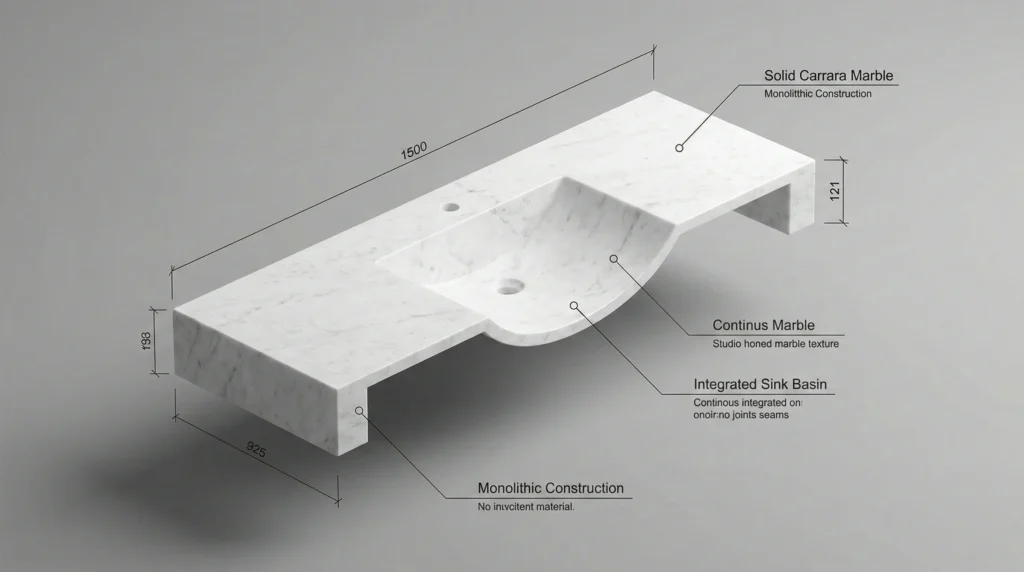
An integrated vanity sink is a single piece where the basin is fused directly into the vanity top. There are no visible seams or caulking lines between the sink and the surface. This creates a minimalist look that is very popular in modern hotel designs.
Seamless Design
The biggest feature is the lack of connection lines. The material flows from the counter down into the bowl. This gives your bathroom a high-end, custom feel. It makes the space look larger and cleaner.
Material Uniformity
You get the same pattern and color everywhere. If you choose a marble look, the veins continue into the sink. This consistency is hard to achieve with other methods. It creates a very strong visual impact for guests.
Customization Options
Factories can mold these sinks into many shapes. You can choose square, oval, or ramp styles. This flexibility helps you match the sink perfectly to your hotel’s design theme. You are not limited to standard ceramic bowl shapes.
We need to compare the integrated sink vs undermount options to see the value. An undermount sink is glued under the counter, leaving a rim. An integrated sink has no rim at all. This difference changes how you use the space. The manufacturing process for integrated sinks is more complex. It requires precise molds and skilled workers. This is why I always check the factory’s molding capability first.
Expert Choice: Proven Quality for Hospitality Projects.
Explore Collections →Are integrated sinks more expensive?
Budgets are the most critical part of any procurement job. You might worry that a custom look will break your project’s bank. You need to balance the initial price with the final installed cost.
Are integrated sinks more expensive? generally, yes, the material cost is higher than a standard ceramic bowl setup. However, you save money on installation labor because it is one piece. You do not need to pay a worker to cut holes and glue sinks on site.
Fabrication Costs
The manufacturing process is more expensive. Creating a mold for a seamless look takes time and money. The raw materials, like solid surface or quartz, cost more than simple ceramic. This drives up the unit price.
Installation Savings
You can install these units very quickly. The installers just place the top on the vanity cabinet. There is no need for clips, glue, or waiting for adhesives to dry. This speed helps you finish hotel renovations faster.
Long-Term Value
You must look at the total lifecycle cost. These sinks last a long time and rarely leak. You will not spend money recaulking rims every year. This saves your maintenance team time and money over the years.
I have seen many quotes in my trading career. While the upfront purchase price is higher, the reduced labor on the job site is a big plus. In large hotel projects, time is money. If you can install a room in half the time, the higher material cost balances out. You also reduce the risk of installation errors. Leaks from poorly installed undermount sinks can damage cabinets. Integrated sinks remove this risk entirely.
Is an integrated sink hard to clean?
Housekeeping staff have limited time to clean each guest room. A sink that traps dirt or stains easily will cause big problems. You need a fixture that stays hygienic with minimal effort.
Is an integrated sink hard to clean? No, it is actually one of the easiest sinks to maintain. The smooth transition from counter to sink means there are no crevices for dirt to hide. A quick wipe is usually all it takes.
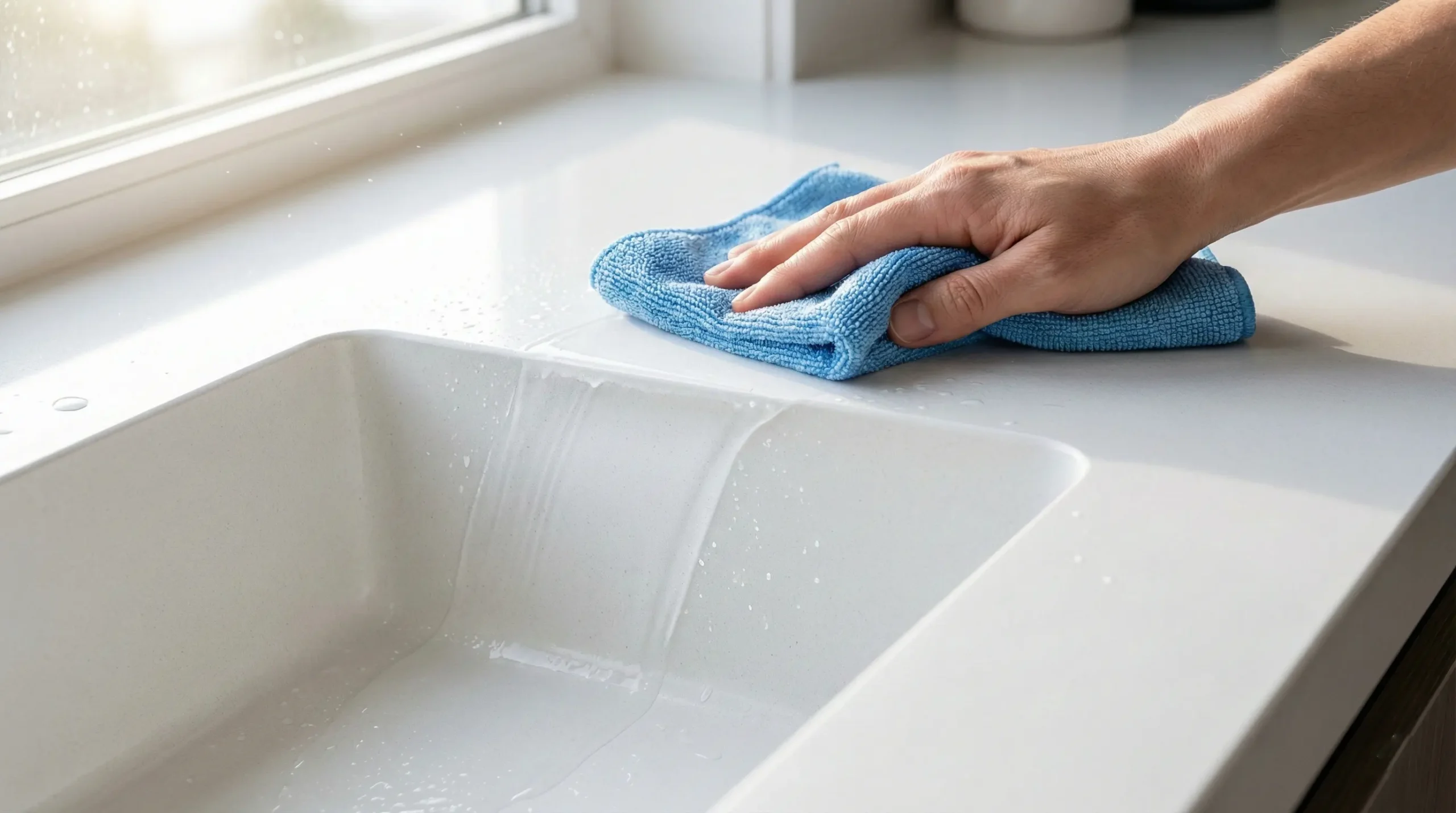
No Seams or Grout
The absence of seams is a huge advantage. Bacteria and mold love to grow in the caulking around standard sinks. With an integrated sink, you eliminate these hiding spots. This improves the overall hygiene of the bathroom.
Non-Porous Surface
Most integrated materials are non-porous. Liquids and makeup do not soak into the surface. This makes them very resistant to stains from guests. You do not need harsh chemicals to keep them looking white and clean.
Quick Wipe-Down
Your staff can clean the counter and sink in one motion. They do not need to scrub around a rim. This saves minutes per room, which adds up in a large hotel. It ensures the room is ready for the next guest faster.
In my experience, white vanities are the safest bet for high-volume projects where you need consistency. However, adding a wood grain texture can make a room feel much more expensive for only a small extra cost. I always tell my clients to think about the lighting before picking the final color.
Project Snapshot: Luxury Resort Upgrade
A 200-room seaside resort struggled with moldy caulk lines and high maintenance costs on standard vanity sinks.
Implementation of George’s Custom Sintered Stone Integrated Sinks with seamless technology.
30% faster housekeeping turnover and zero mold complaints in 24 months.
What is the best material for an integrated sink?
Choosing the wrong material can lead to cracks and stains later. You need a material that can withstand heavy daily use. Durability is just as important as the visual appeal.
What is the best material for an integrated sink? I recommend a sintered stone integrated sink or quartz for high-end projects. Solid surface (acrylic) is also a great choice for its repairability. Each material has strengths for different environments.
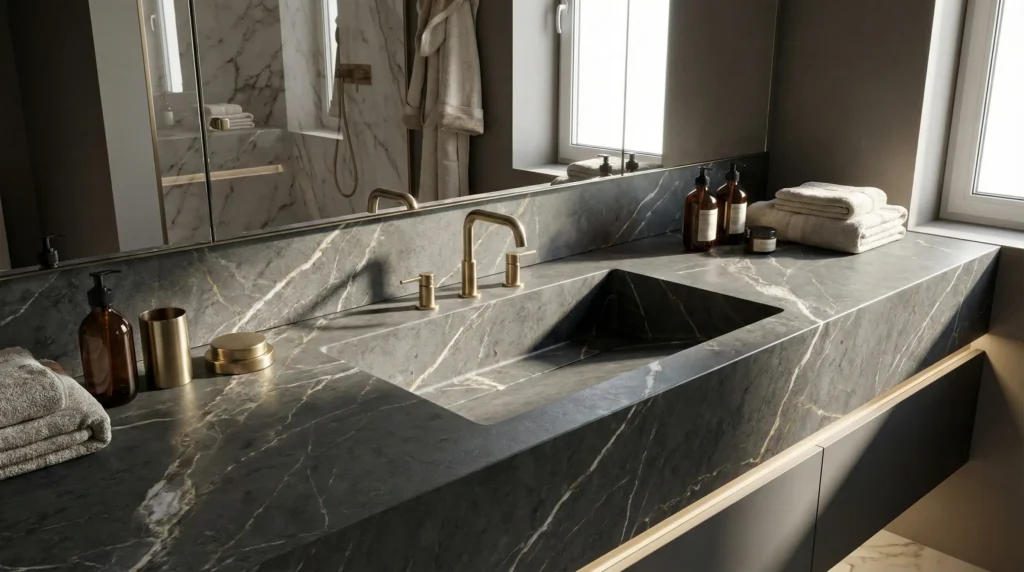
Quartz Integrated Sink
Quartz is extremely hard and durable. It resists scratches and chips very well. A quartz integrated sink offers a luxurious look that mimics natural stone. It is perfect for high-traffic areas where durability is the main goal.
Sintered Stone Integrated Sink
Sintered stone is a newer, high-tech material. It is very resistant to heat and chemicals. It has a very modern, thin profile that designers love. It does not change color even after years of UV exposure.
Solid Surface (Acrylic)
This is a blend of resin and natural minerals. It is warm to the touch and has a matte finish. The best part is that you can sand out scratches. It is very easy to repair if a guest damages it.
| Material | Durability | Repairability | Style |
|---|---|---|---|
| Quartz | High | Low | Luxury |
| Sintered Stone | Very High | Low | Modern |
| Solid Surface | Medium | High | Matte/Soft |
You must consider who will use the bathroom. For a family hotel, solid surface is smart because you can fix scratches. For a luxury resort, quartz or sintered stone looks better and resists stains. I have seen solid surface sinks last for 15 years with simple buffing. However, sintered stone offers a unique texture that stands out. You should ask for samples from your supplier. Test them with common items like coffee or lipstick to see how they perform.
Is the integrated sink a cost-effective investment for hotel projects?
Project owners always ask me if the extra cost is worth it. You need to ensure that your investment brings value back to the hotel. It is about balancing guest satisfaction with operational costs.
Is the integrated sink a cost-effective investment for hotel projects? Yes, especially for resorts and luxury apartments. The modern look allows you to charge higher room rates. The durability reduces the need for frequent replacements.
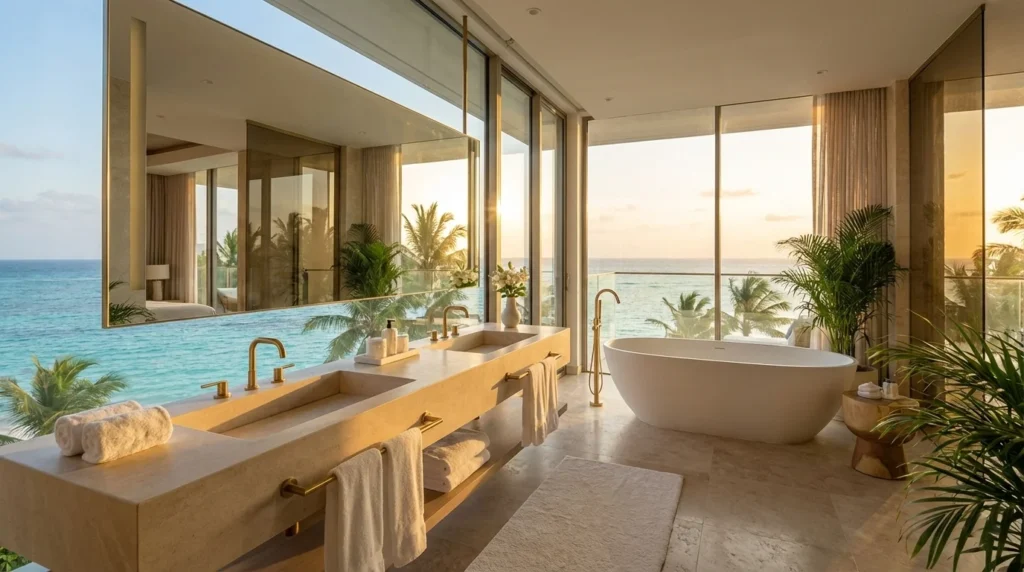
Enhanced Guest Experience
Guests perceive these sinks as high-end and clean. A sleek bathroom improves the reviews for your hotel. Happy guests are more likely to return. This indirect value is very important for your brand image.
Reduced Maintenance Time
We discussed cleaning earlier, but it applies to costs too. Saving five minutes of cleaning time per room saves thousands of dollars a year. It also reduces the cost of buying cleaning chemicals.
Replacement Risks
You must be aware of the downside. If a guest cracks the sink, you must replace the whole top. You cannot just swap the bowl like an undermount sink. This is a risk you need to calculate.
As a senior professional with over ten years in the bathroom industry, starting from the factory floor and now leading a team of experts, I believe integrated countertop sinks can indeed be effectively used for bathroom vanities in resorts. They provide a seamless, modern design that enhances hygiene by eliminating joints where bacteria can accumulate, making them ideal for high-traffic guest areas where quick cleaning is essential. However, based on my project experiences, buyers should weigh the benefits against higher upfront costs and repair complexities. If damage occurs, it often affects the entire unit, potentially causing downtime. Opting for durable materials like quartz or solid surface, along with skilled installation, ensures long-term value and aligns with resort needs for aesthetics, maintenance ease, and guest satisfaction.
Conclusion
Integrated sinks offer a beautiful, hygienic solution for modern bathrooms. They save cleaning time but require careful material selection. I hope this guide helps you make the right choice.
If you need help sourcing the right vanity for your project, please contact us at George Build Shop. I am happy to share my factory experience with you.
Request Your Project Quote Today
From design to delivery, we provide one-stop bathroom solutions for hotels and real estate developments. Fill out the form below to get a personalized quote and 3D space design consultation.