

Hi there! I’m Helen. If you’ve been in the hospitality industry as long as I have—ten years and counting in the sanitary ware sector—you know that a hotel room is often judged by the state of its bathroom. Specifically, the bathtub.
For hotel owners, operators, and procurement teams, hotel bathtub cleaning is more than just a housekeeping task; it is a critical factor affecting guest satisfaction, brand reputation, and the overall maintenance cost of commercial bathrooms. Having consulted on numerous hotel audits and refurbishment projects, I have found that bathtub-related upkeep is consistently among the top three hidden cost drivers for rooms. In this guide, I’ll share my insights on why these problems persist and how to transition to a more efficient bathtub maintenance model.
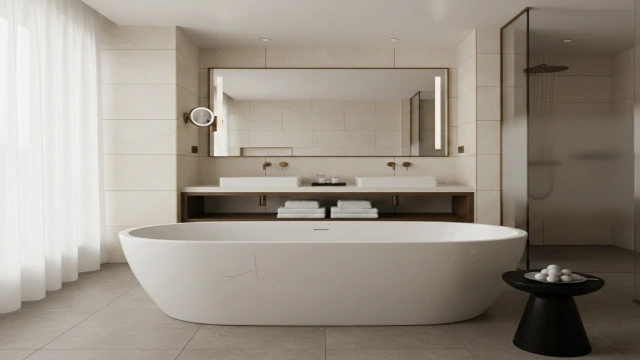
Summary: Hotel bathtub cleaning problems usually come from three root causes:
Unsuitable materials: Choosing bathtub materials not rated for high-frequency commercial use.
Chemical damage: Using an incompatible bathtub cleaner that erodes the surface finish.
Design flaws: A lack of preventive maintenance planning during the initial project design stage. Addressing these factors early can significantly reduce commercial bathtub cleaning expenses and extend the product’s lifespan.
Table of Contents
Why Do Hotel Bathtub Cleaning Problems Keep Coming Back?
It’s a scenario I hear at least once a week: “Helen, we clean these tubs every single day, but they just don’t look clean.” These recurring hotel bathtub cleaning issues usually fall into four operational and financial categories:
Surface Dullness: Despite daily cleaning hotel bathroom routines, the tubs lose their original luster and look “aged.”
Hygiene Complaints: Guests frequently mention “stains” or “residue,” even after the tub has been thoroughly sanitized.
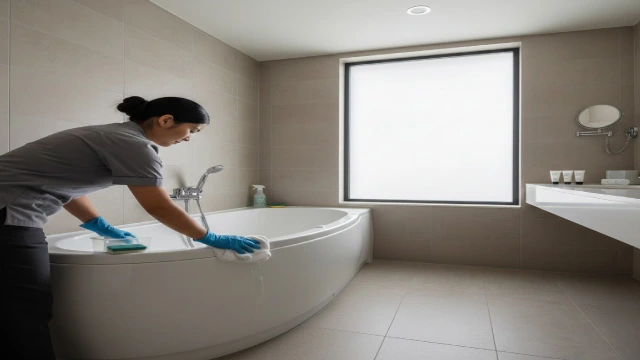
Operational Overload: Housekeeping teams spend excessive time on how to clean bathtub surfaces that should be low-maintenance.
Premature Depreciation: Tubs require replacement or major resurfacing years before their scheduled CAPEX cycle.
The Truth About Hotel Bathtub Cleaning
In most cases, cleaning problems are not the fault of the housekeeping staff. My “Helen Truth” is that these issues are typically born during the procurement phase. If you specify a material that isn’t designed for the rigors of commercial bathroom maintenance, you are setting your operations team up for failure. You aren’t just managing a stain; you are managing a specification error.
What Are the Common Cleaning Pain Points for Hotel Bathtubs?
Below is a practical map of the most common issues I see across hotel projects. Each of the issues below is covered in detail in dedicated articles, but here is a high-level explanation to help you identify the root cause.
1. Why Hotel Bathtubs Turn Yellow or Lose Gloss?
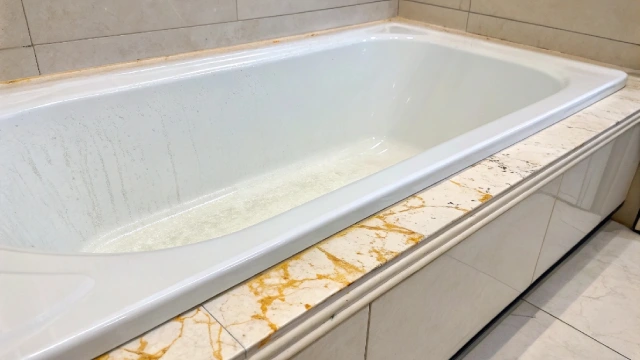
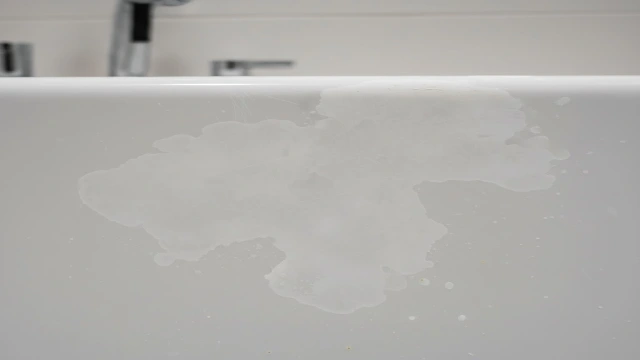
When a tub turns yellow, it’s rarely a “cleaning” issue—it’s surface degradation. This happens when the finish reacts to UV light or an incompatible bathtub cleaner. This is especially common in low-quality acrylics where the gel coat breaks down, making the tub look permanently dirty.
Yellowing is one of the most common and frustrating bathtub issues in hotels. While it’s often treated as a surface-level cleaning problem, discoloration usually signals deeper material aging and chemical reactions that standard cleaning cannot reverse.
For a deeper breakdown of why hotel bathtubs turn yellow over time—including material oxidation, mineral buildup, and cleaning chemistry—see our detailed analysis here: Why Do Hotel Bathtubs Turn Yellow Over Time?
2. Why Some Hotel Bathtubs Are Hard to Clean?
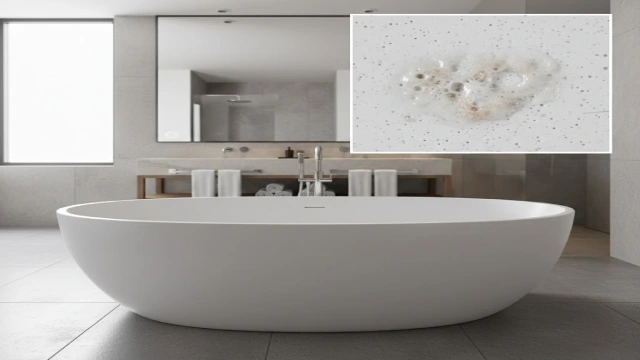
Efficiency is everything in hospitality. If a tub takes 20 minutes to clean instead of 5, your labor costs explode. This difficulty often comes from surface micropores that trap body oils and soap scum, making standard bathroom hygiene management efforts ineffective.
Many hotel operators assume cleaning difficulty is a housekeeping issue, but in reality, some bathtubs are inherently hard to maintain from day one. Surface porosity, coating quality, geometry, and material selection all play a critical role long before the first guest checks in.
We explore this issue in depth in a dedicated article that explains why some hotel bathtubs are so hard to clean—and how the problem often starts at the specification stage: Why Are Some Hotel Bathtubs So Hard to Clean (and Why the Problem Starts at Specification)?
3. How Cleaning Chemicals Damage Hotel Bathtubs?
To maintain hygiene, many hotels use aggressive commercial bathtub cleaning agents. However, if the chemical pH is too high or too low for the material, it eats away at the protective layer. This creates a vicious cycle: the more you clean, the more you damage the surface, making it even harder to maintain next time.
Over time, chemical damage doesn’t just affect appearance. As aggressive cleaners break down surface coatings and weaken base materials, hotel bathtubs become increasingly exposed to thermal stress, impact damage, and structural fatigue.
When deterioration reaches this stage, cleaning is no longer the core issue. Many hotels begin facing bathtub cracking and repair decisions instead. We explore this escalation in Bathtub Crack Repair for Commercial Hotels: How to Fix a Cracked Bathtub or When to Replace, where we explain why cracks form, the limits of repair solutions, and how hotel owners can evaluate repair versus full replacement from a long-term operational and safety perspective.
4. Why Hotel Bathtub Stains Keep Coming Back?
I call these “Ghost Stains.” You scrub them away, but they reappear after two guests. This indicates the surface structure is compromised. Once the “seal” is broken, the material becomes “thirsty” for minerals and oils, making daily bathtub upkeep feel like a losing battle.
Maintenance costs for hotel bathtubs are not just a result of operational inefficiency—they often begin accumulating long before daily cleaning starts. As highlighted in our cluster article Why Hotel Bathtub Maintenance Costs Keep Rising, factors such as bathtub material, surface finish, geometry, and early-stage installation choices directly influence long-term maintenance expenses. Minor surface wear can quickly become permanent if these upstream causes aren’t addressed, making proactive design and specification decisions critical for cost control.
5. Why Hotel Bathtub Maintenance Costs Keep Rising?
When you factor in labor hours, the cost of specialized chemicals, and “room down” time for repairs, the financial impact is massive. A high maintenance cost is usually the result of a “low-bid” procurement strategy that ignored the long-term surface maintenance requirements of the product.
What Are the Root Causes Behind Hotel Bathtub Cleaning Problems?
To solve these issues, we have to look at the three systemic reasons they happen in the first place.
Material Selection: Commercial vs. Residential
Many commercial bathrooms are fitted with residential-grade materials. In a home, a tub is cleaned once a week; in a hotel, it’s cleaned once a day. If the material cannot handle 300+ cleanings a year, it will fail.
Design and Geometry Flaws
Design plays a huge role in how to clean bathtub efficiency. Sharp internal corners, poor drainage slopes, and rough textures create “bacteria traps.” If a cleaning cloth can’t easily reach every millimeter of the tub, mold and grime will inevitably build up.
Cleaning System Mismatch
There is often a gap between what the manufacturer recommends and what the hotel actually uses in their cleaning bathtub process. Using a heavy-duty bathtub cleaner on a delicate resin or acrylic without proper training leads to the surface erosion mentioned earlier.
How Can Hotels Move from “Reactive Cleaning” to “Preventative Management”?
This is where many hotel projects can dramatically reduce long-term effort and costs. By moving toward a preventative bathtub upkeep model, you ensure better results with less labor.
Prioritize Non-Porous Materials: Choose high-grade solid surfaces or enameled steel that naturally resist stains and bacteria.
Standardize Chemical Use: Use a material-specific bathtub cleaner and avoid abrasive tools that scratch the surface.
Implement SOPs: Create a Standard Operating Procedure (SOP) for hospitality cleaning operations that includes a mandatory fresh-water rinse to remove chemical residues.
Plan for Lifecycle: Evaluate the “Total Cost of Ownership,” not just the initial purchase price.
What Are the Key Takeaways for Hotel Developers and Procurement Teams Regarding Bathtub Cleaning?
To solve these issues, we have to look at the three systemic reasons they happen in the first place.
Material Selection: Commercial vs. Residential
Many commercial bathrooms are fitted with residential-grade materials. In a home, a tub is cleaned once a week; in a hotel, it’s cleaned once a day. If the material cannot handle 300+ cleanings a year, it will fail.
Design and Geometry Flaws
Design plays a huge role in how to clean bathtub efficiency. Sharp internal corners, poor drainage slopes, and rough textures create “bacteria traps.” If a cleaning cloth can’t easily reach every millimeter of the tub, mold and grime will inevitably build up.
Cleaning System Mismatch
There is often a gap between what the manufacturer recommends and what the hotel actually uses in their cleaning process. Using a heavy-duty bathtub cleaner on a delicate resin or acrylic without proper training leads to the surface erosion mentioned earlier.

How to Prevent Bathtub Cleaning Issues Before They Start?
This is where many hotel projects can dramatically reduce long-term effort and costs. By moving toward a preventative bathtub upkeep model, you ensure better results with less labor.
Prioritize Non-Porous Materials: Choose high-grade solid surfaces or enameled steel that naturally resist stains and bacteria.
Standardize Chemical Use: Use a material-specific bathtub cleaner and avoid abrasive tools that scratch the surface.
Implement SOPs: Create a Standard Operating Procedure (SOP) for hospitality cleaning operations that includes a mandatory fresh-water rinse to remove chemical residues.
Plan for Lifecycle: Evaluate the “Total Cost of Ownership,” not just the initial purchase price.
What Are the Key Takeaways for Hotel Developers and Procurement Teams Regarding Bathtub Management?
As you plan your next project, remember that decisions made today will determine your housekeeping budget for the next decade.
Specifications Matter: The surface material determines 90% of your long-term cleaning success.
Standardization is Key: Ensure your commercial bathtub cleaning chemicals are compatible with your hardware.
Consult the Experts: Work with suppliers who understand the “turnover” pressure of a hotel environment.
Hotel bathtub cleaning doesn’t have to be a headache. When you align your material choices with a smart maintenance strategy, you create a better experience for your guests and a healthier bottom line for your business.
If your team is currently reviewing bathtub specifications or facing ongoing maintenance challenges, we’d be glad to share practical insights from our project experience. At George, we collaborate with hotel owners, designers, and procurement teams to develop bathtub solutions designed for durability, cleanability, and long-term operational efficiency.
References
- “Are Your Hotel Bathtubs Costing More Than They Should?”, George Build Shop
- “The Impact of Solid Surface Bathtubs on Hotel Maintenance and Costs”, KOTA Baths
- “Why Are Hotels Removing Bathtubs?”, Peery Hotel
- Temiz, H., Automatic Classification of Hotel Bathrooms, arXiv
One-Stop Bathroom Solutions for Commercial Projects
We provide integrated one-stop bathroom solutions for hotel and commercial projects, supporting coordinated specifications and project execution.
▼ Submit the form below to connect with our team and explore project cooperation. ▼